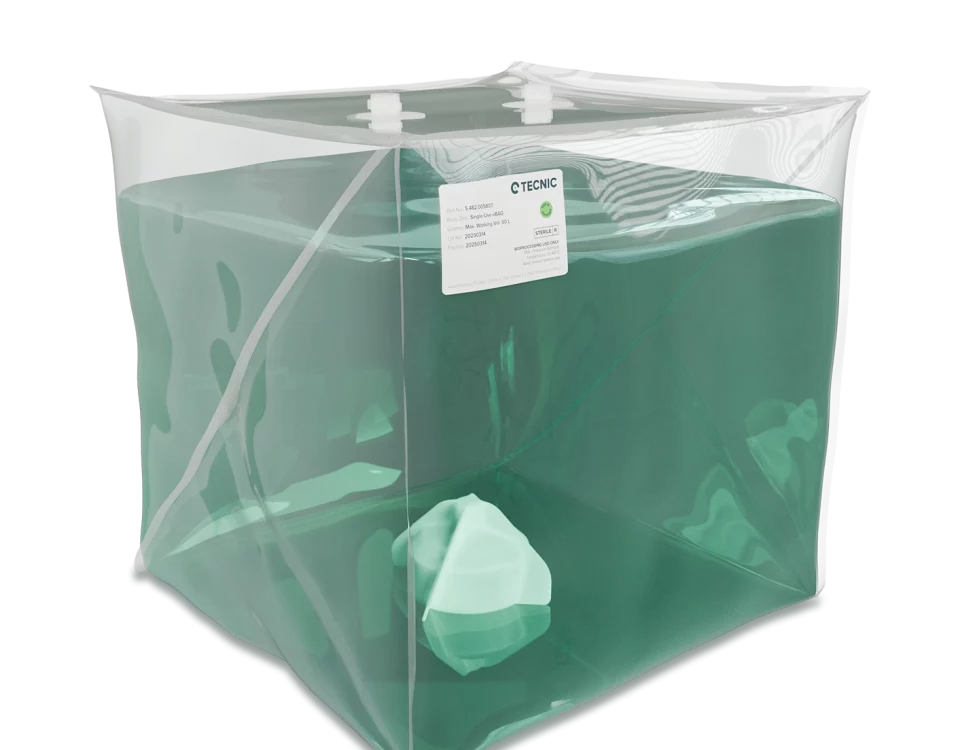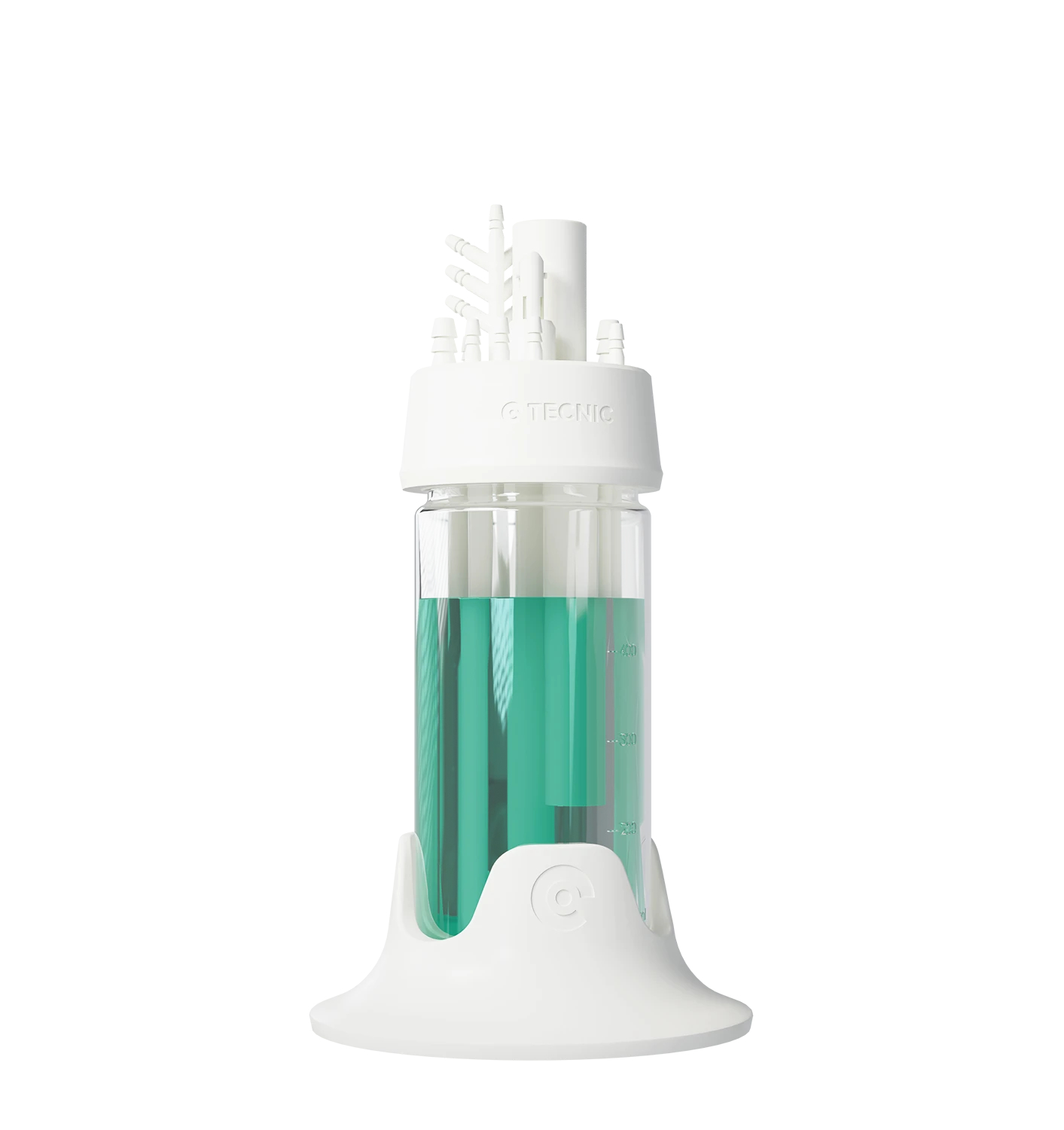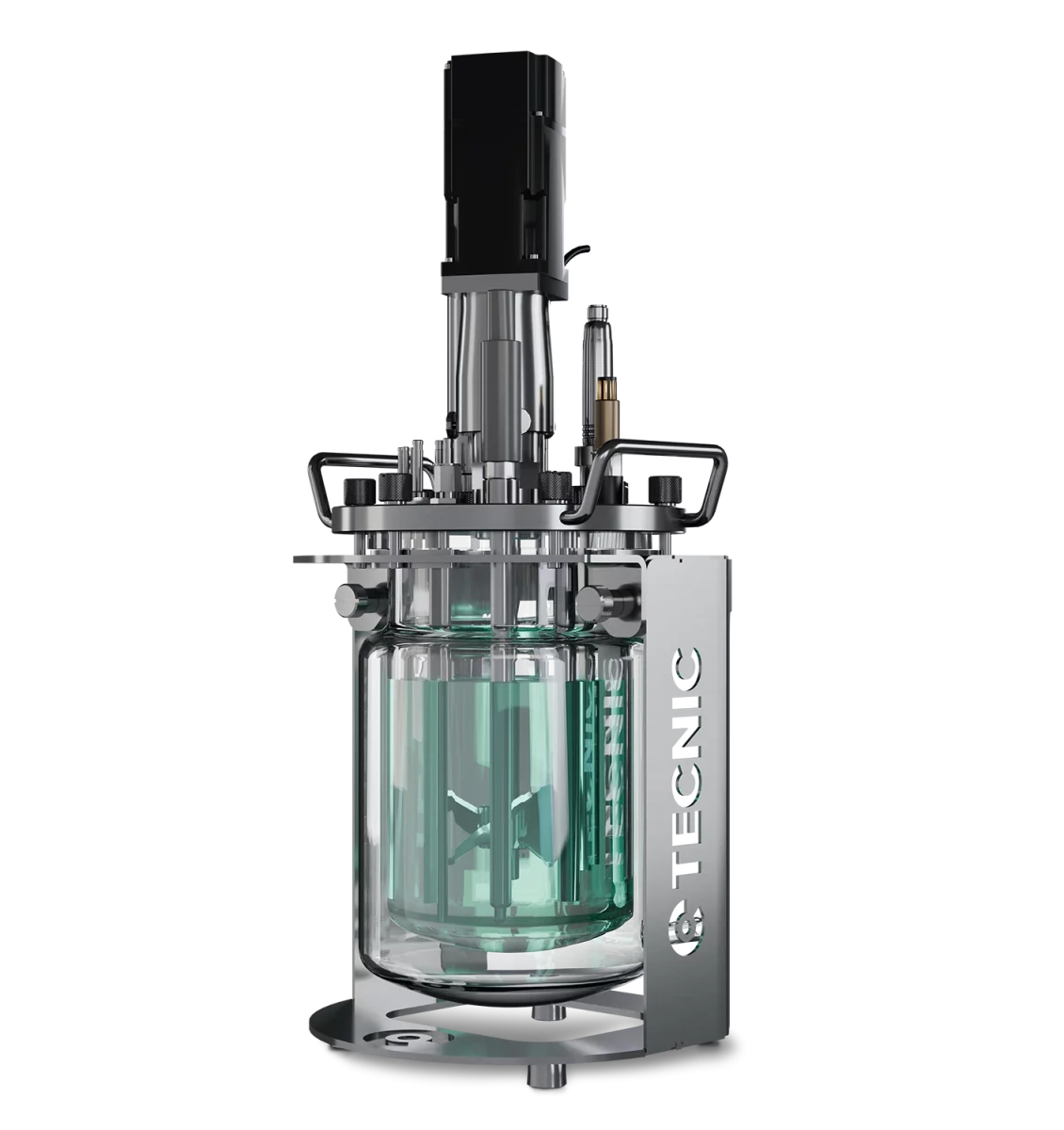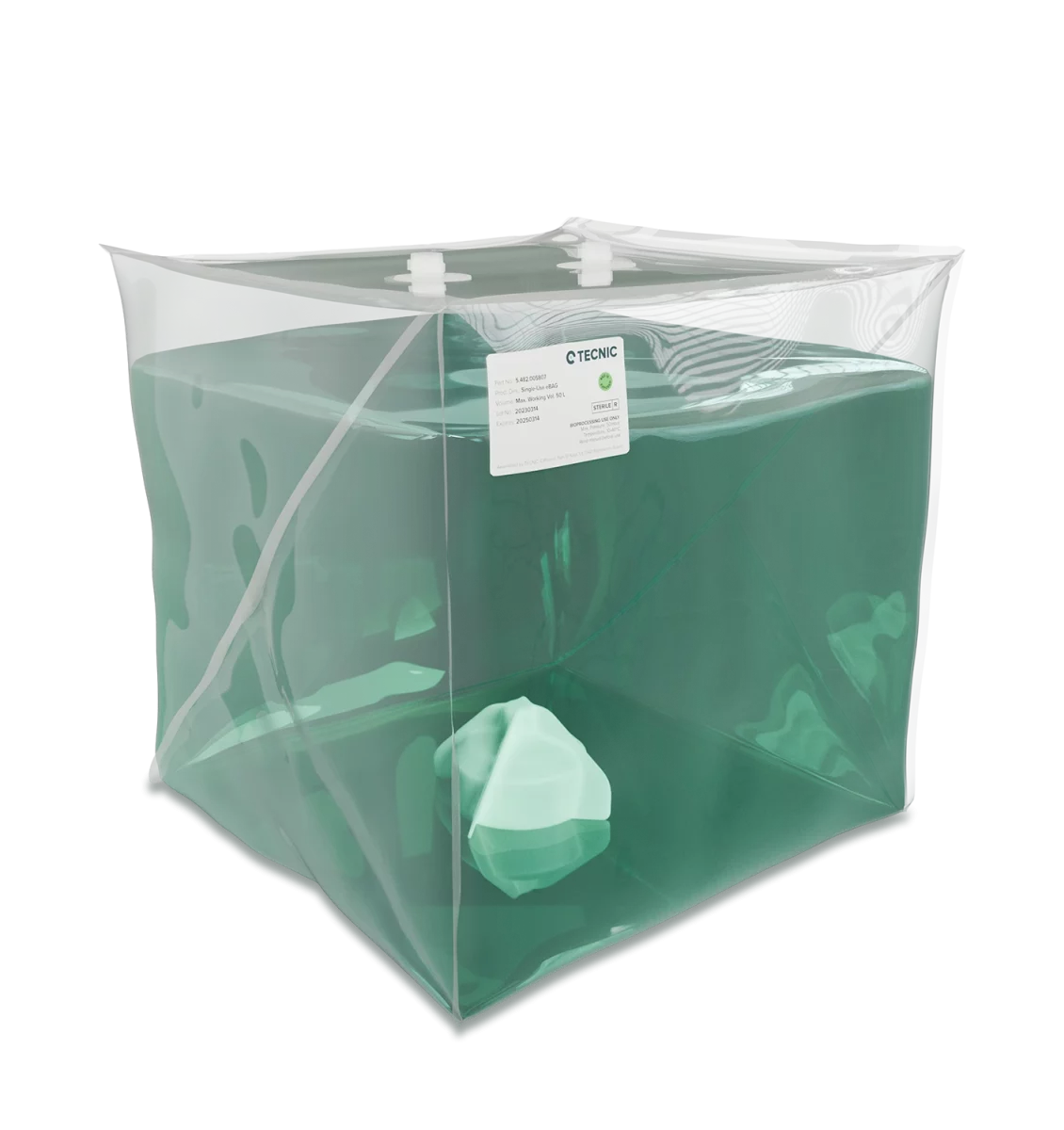
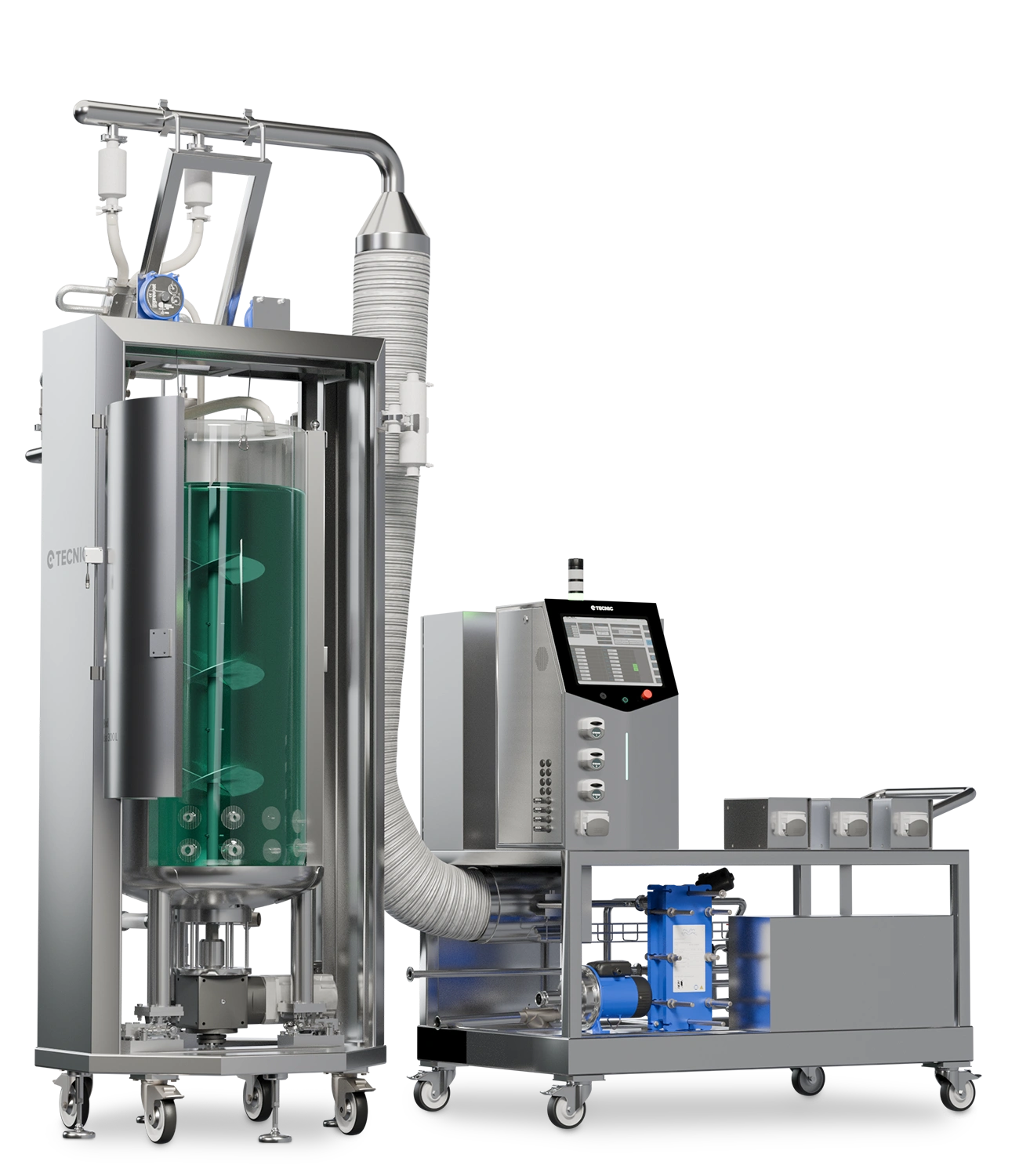
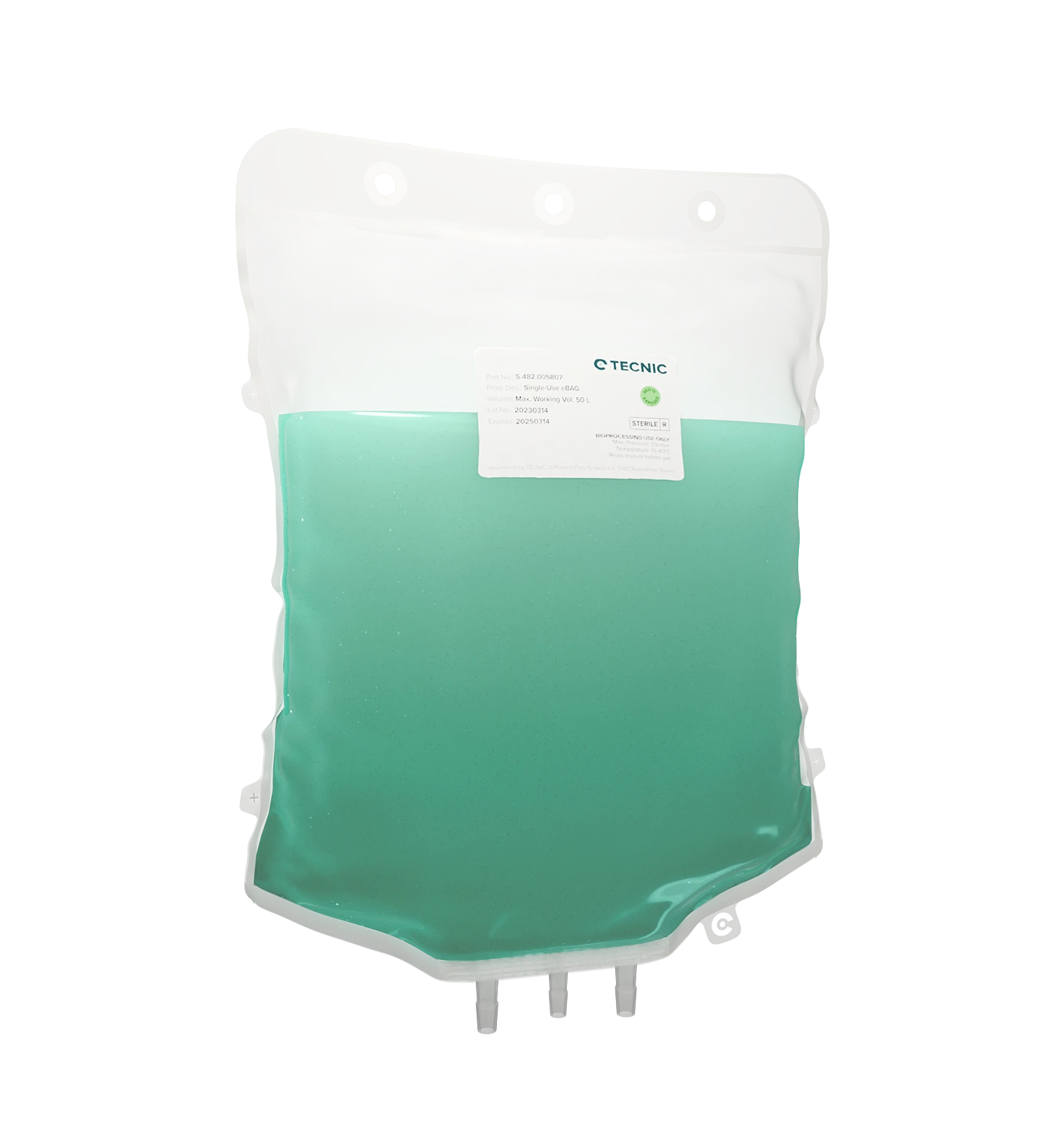
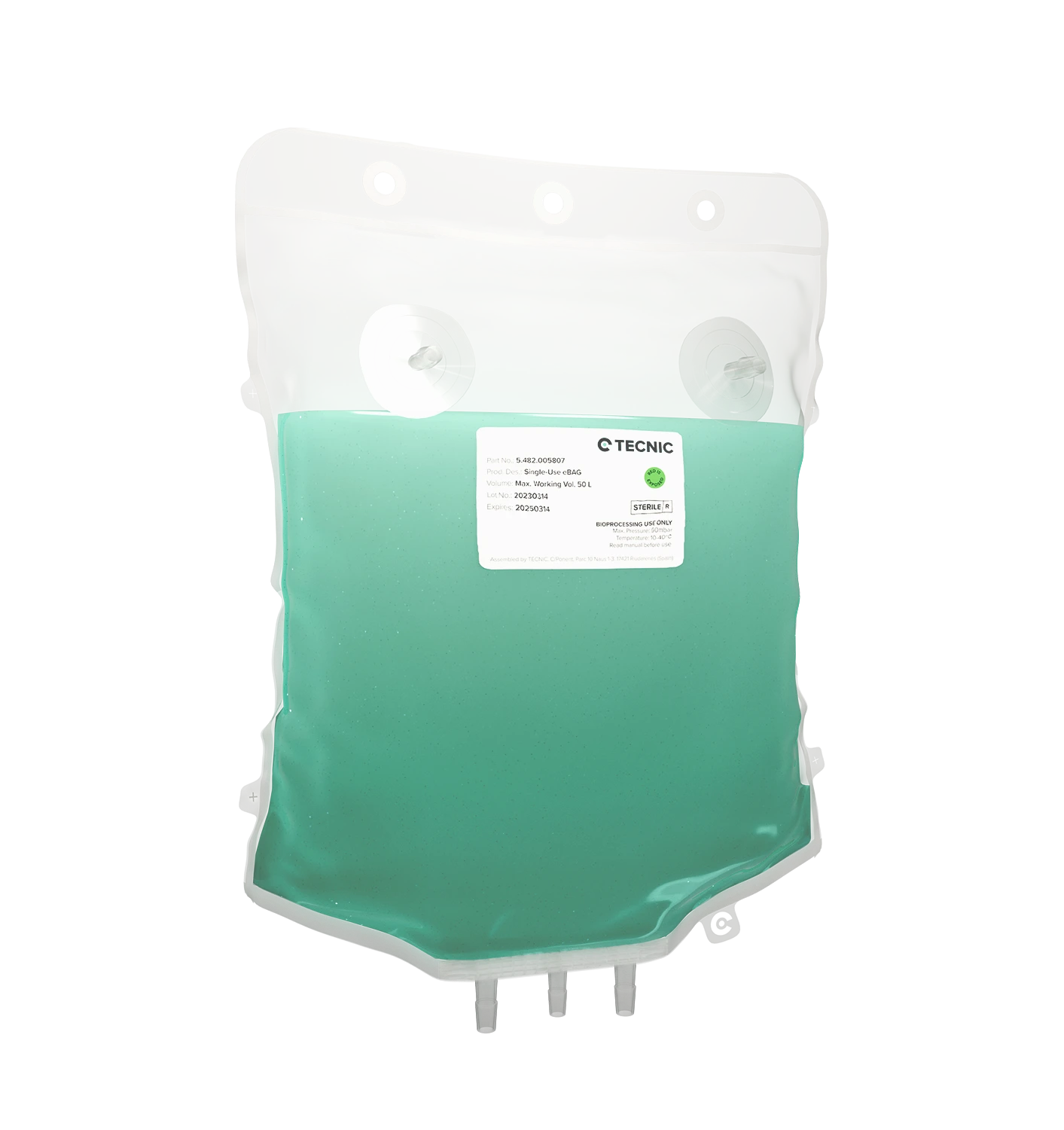
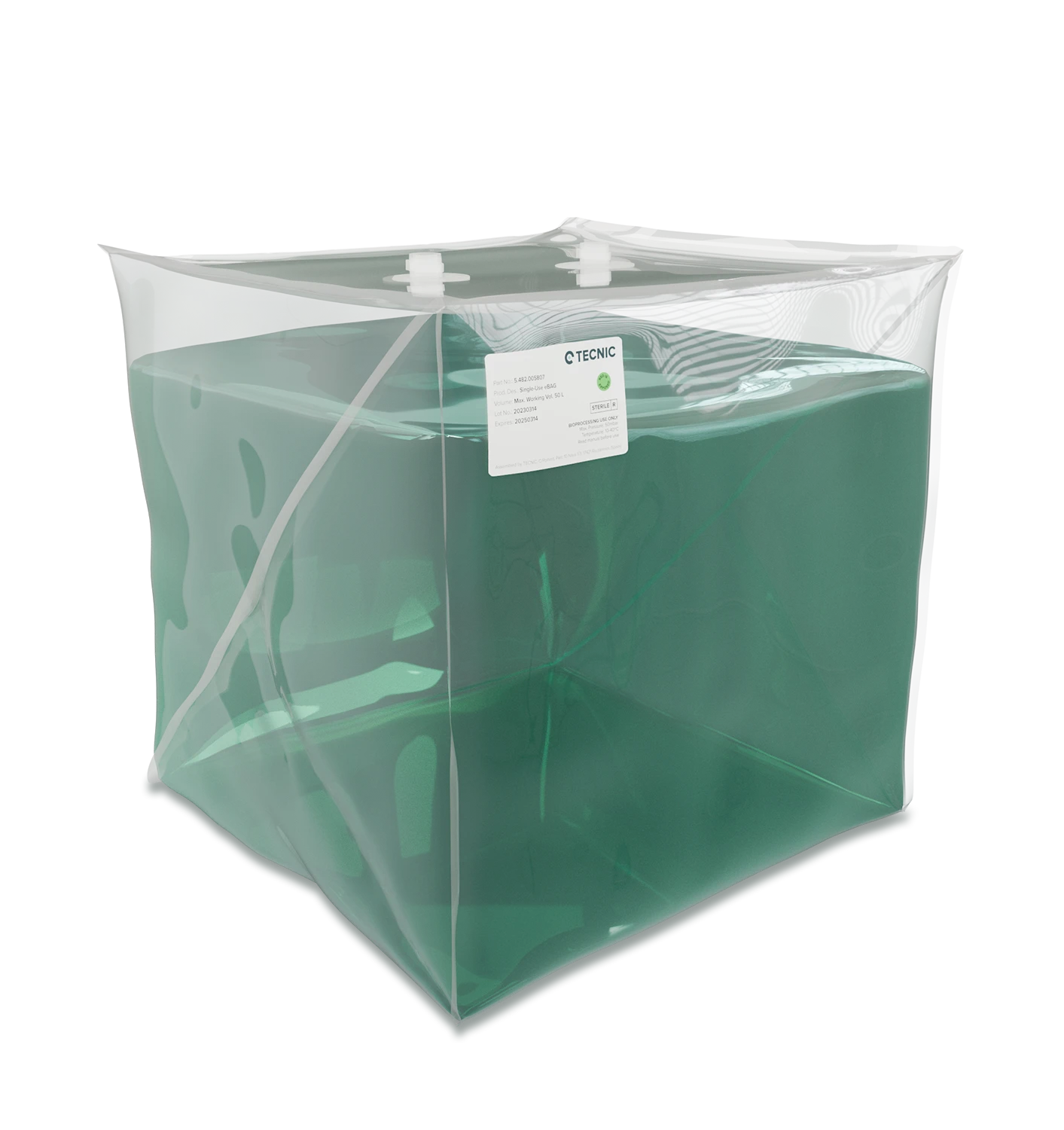
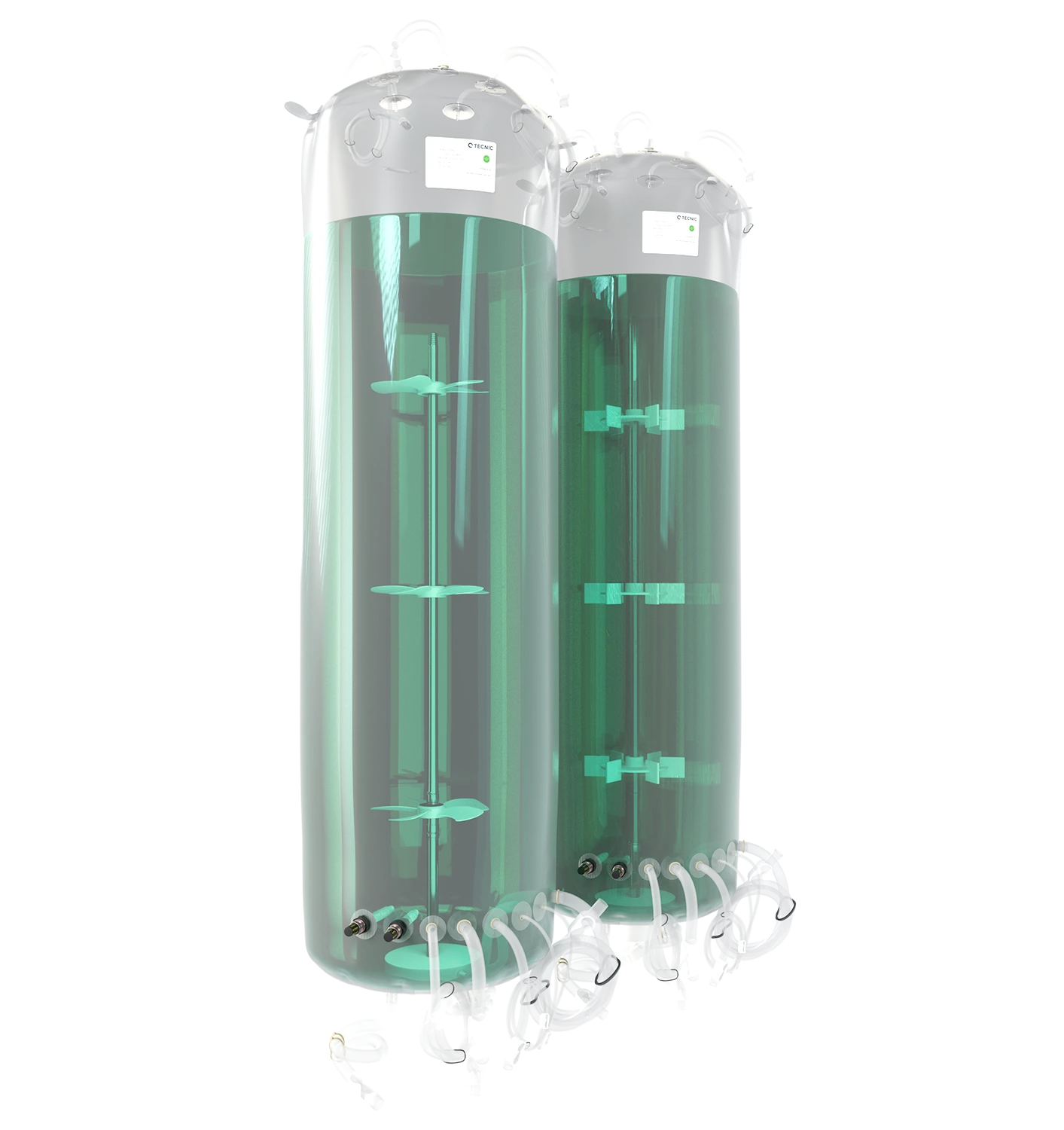
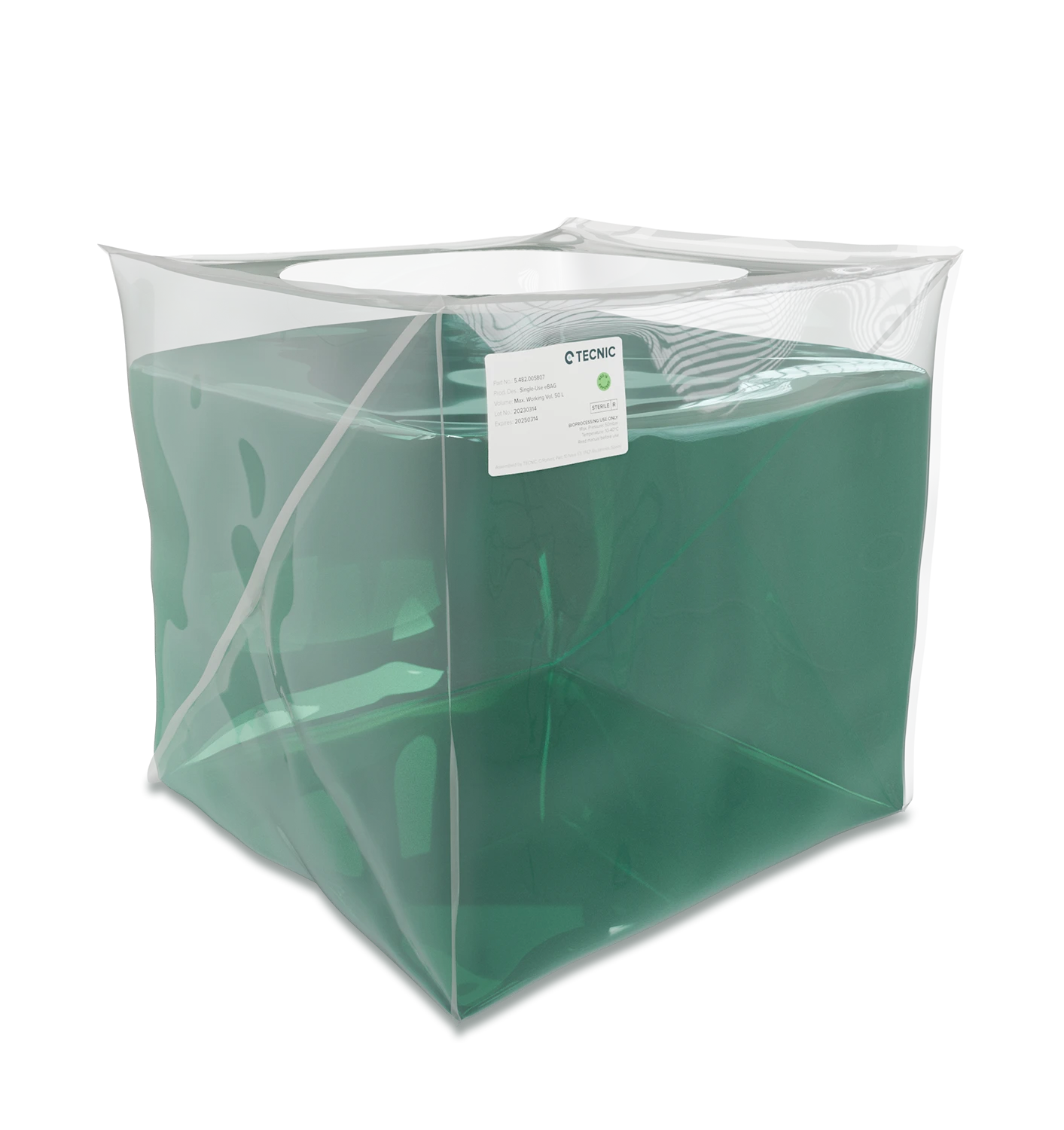
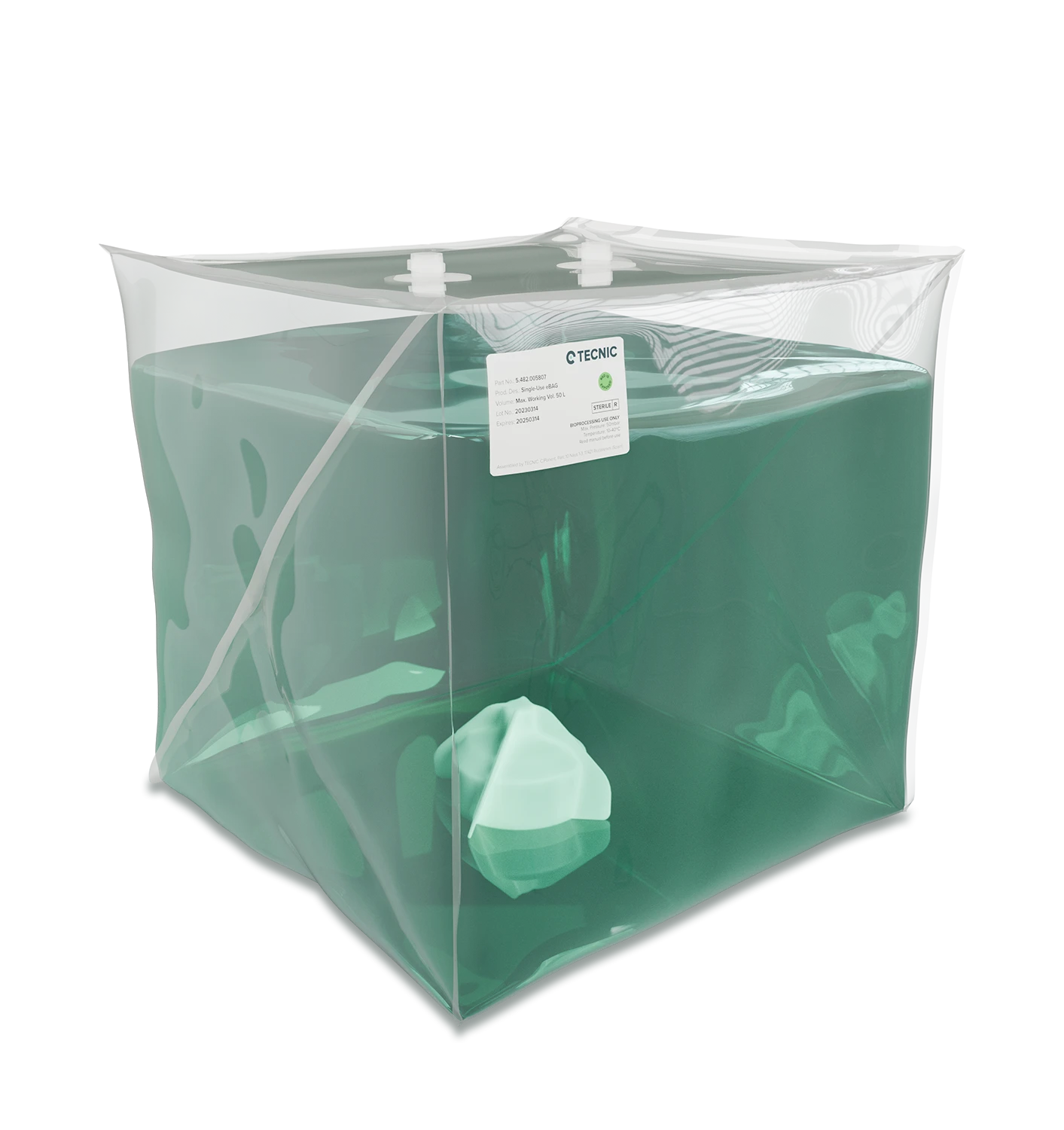
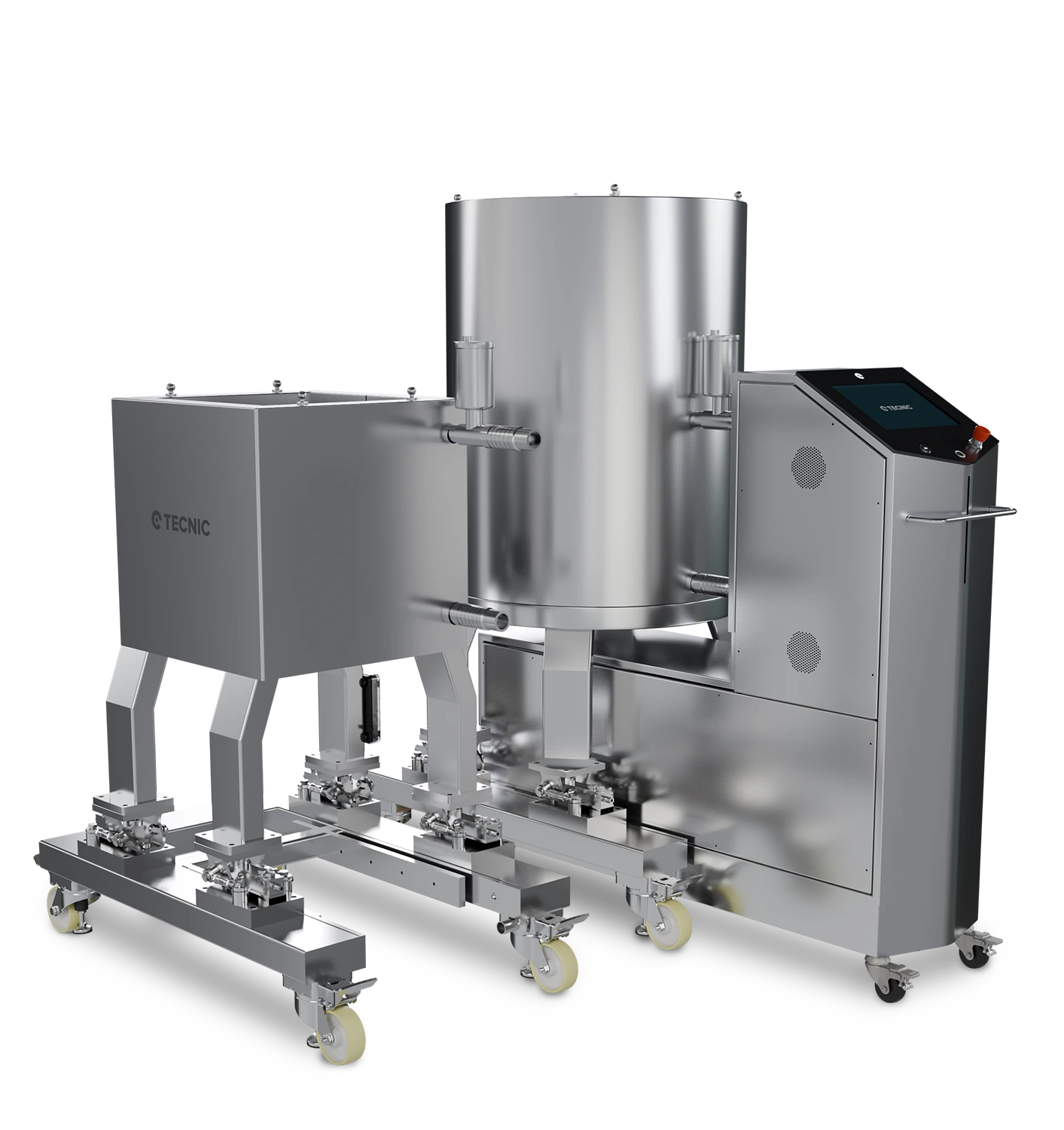
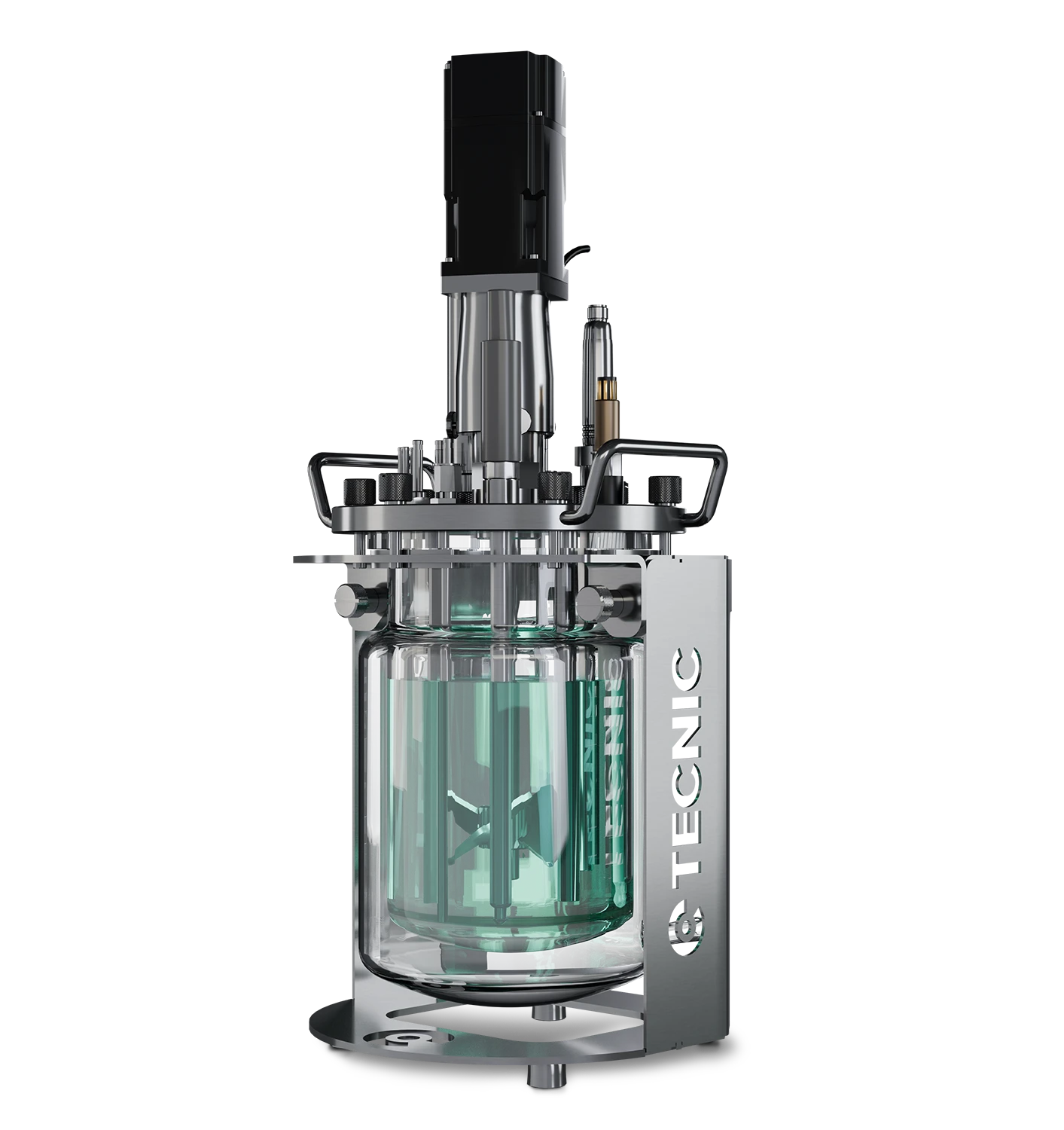
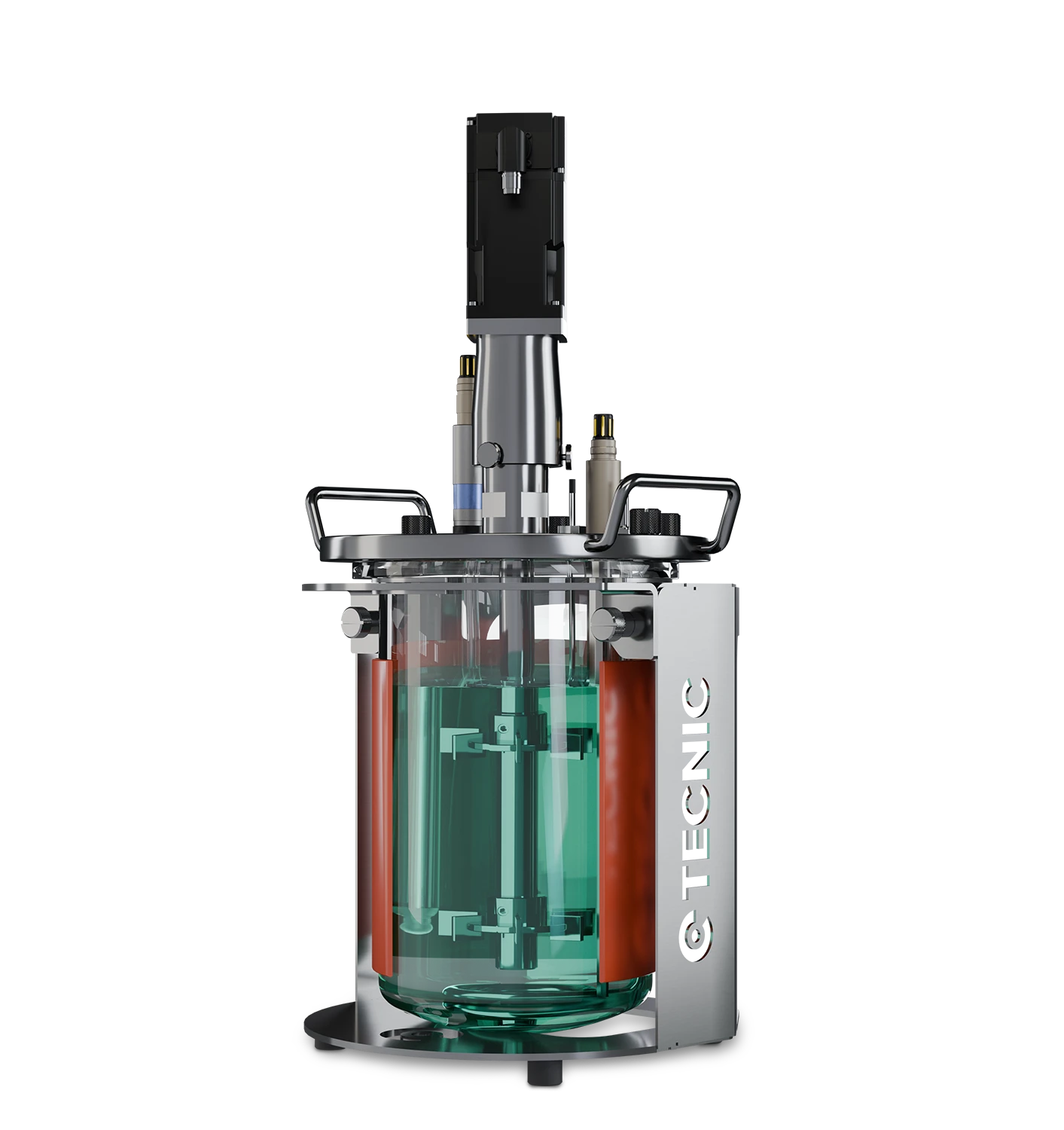
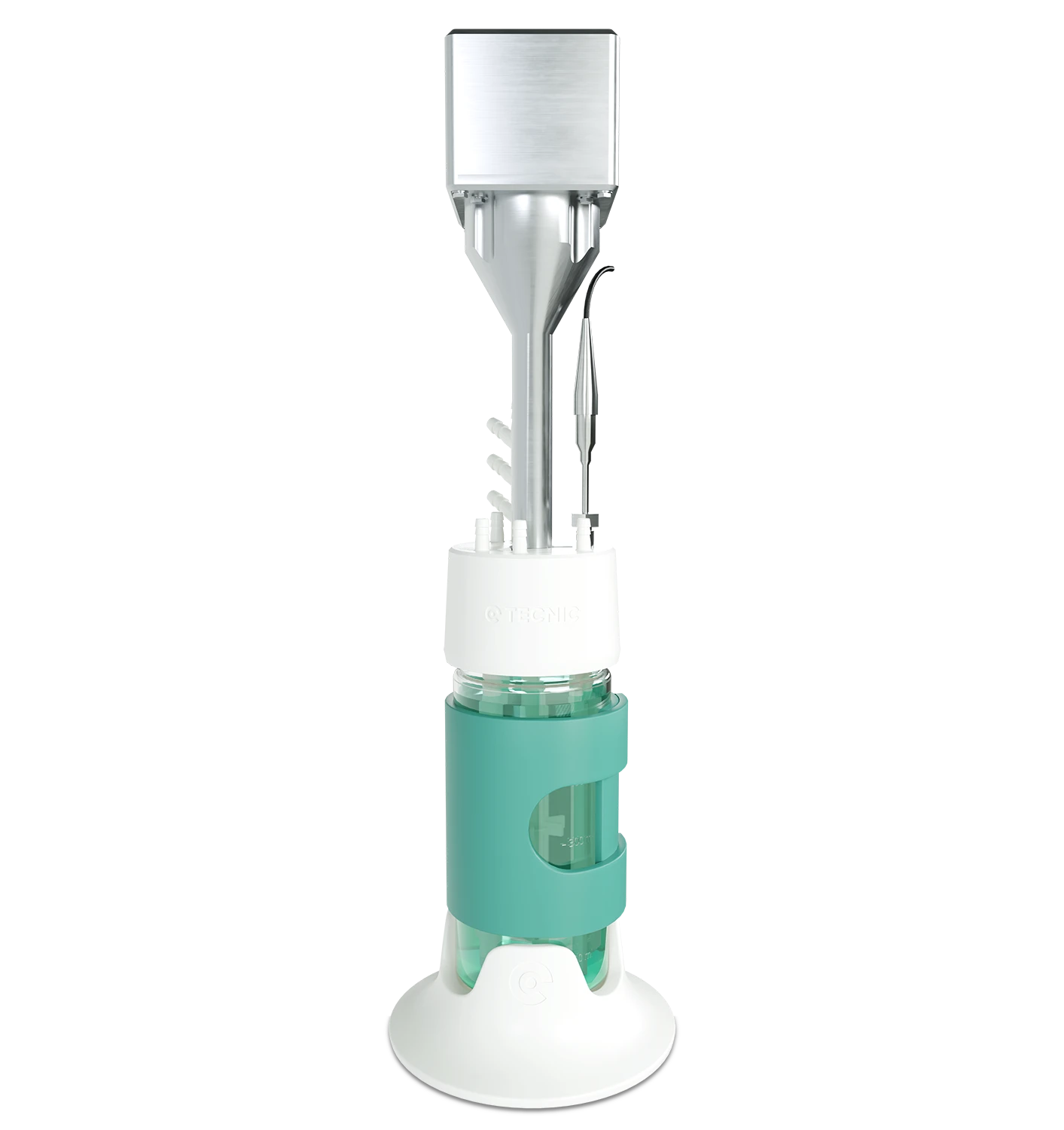

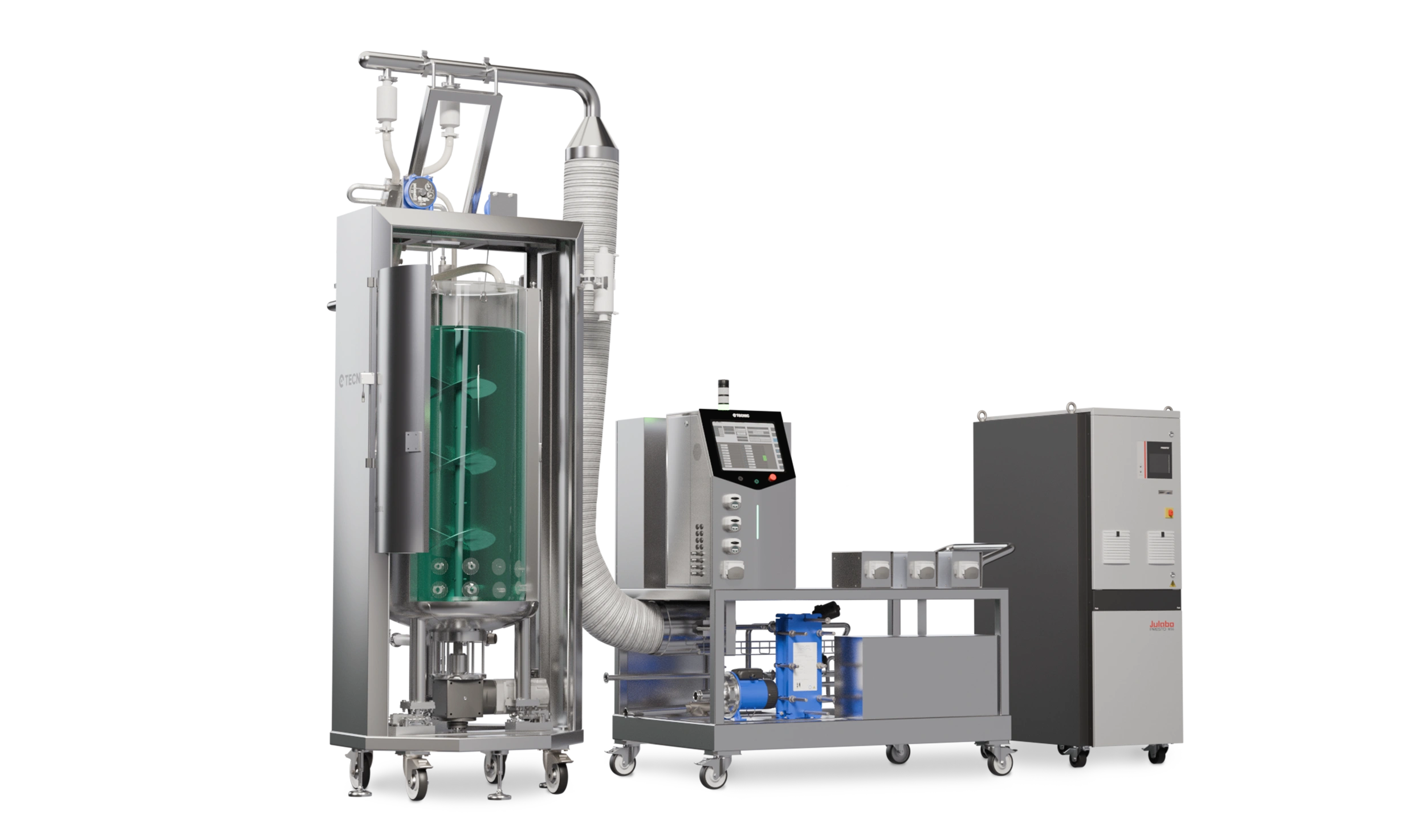
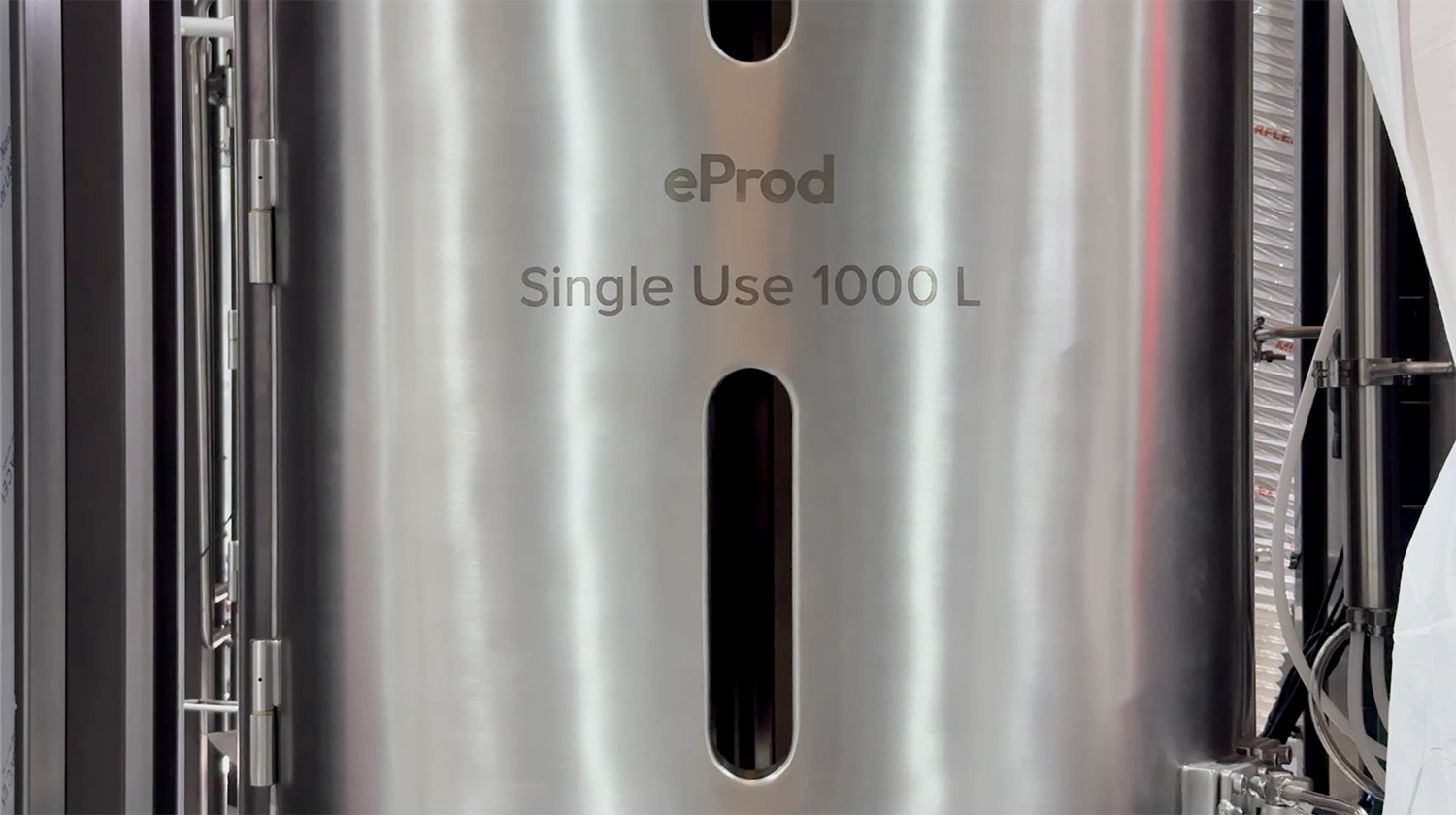
Single-use bioreactors are especially relevant for personalised medicine because they align well with the reality of autologous therapies, small batch production and strict contamination control requirements.
In these workflows, each batch may correspond to one patient, one treatment window and one critical production route. That changes the manufacturing logic completely. Flexibility, sterility and rapid turnaround become central process needs, not optional advantages.
In personalised medicine, the value of a single-use bioreactor is not only disposability. It is the ability to support safe, repeatable and patient-specific manufacturing with lower contamination risk and less downtime between batches.
Why single-use bioreactors fit personalised medicine so well
Personalised medicine, especially autologous cell therapy, does not follow the same production logic as conventional large-batch biopharma. Instead of running long standardised campaigns, the process often requires small, individualised batches under very high quality expectations.
That is why single-use systems are so relevant. They reduce the need for repeated cleaning and sterilisation between batches, help lower cross-contamination risk and make faster transitions possible between different runs.
In personalised medicine, process flexibility is not a convenience feature, it is part of treatment feasibility.
What perfusion and advanced control add to the process
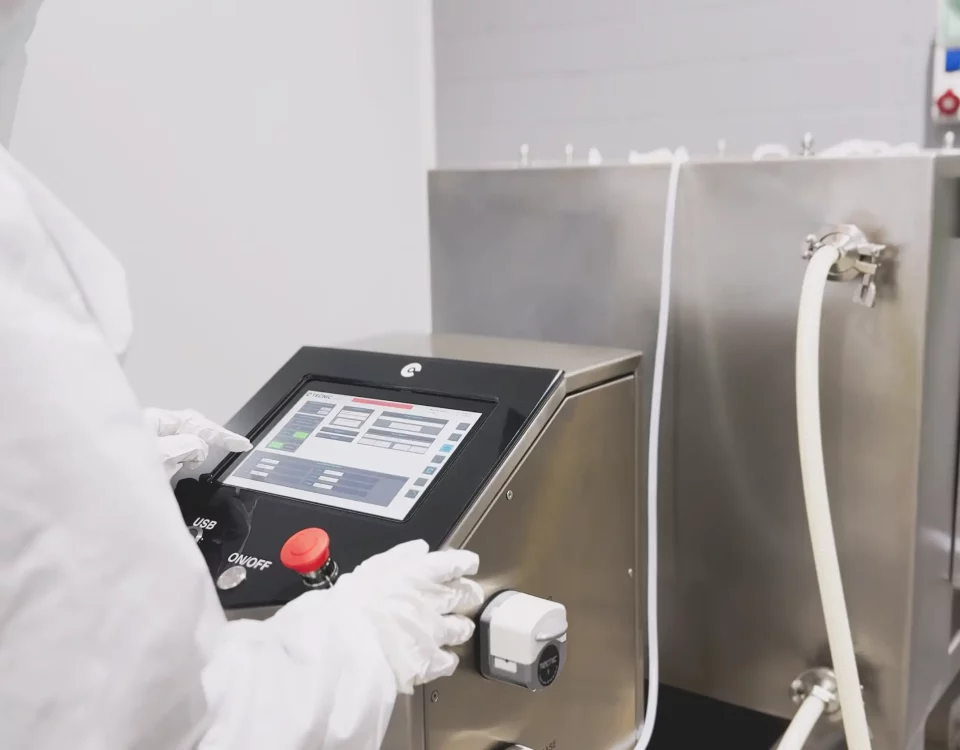
The article presents perfusion and advanced control as central parts of the project. That makes sense, because in autologous cell production the process has to maintain cell viability and product quality over prolonged culture periods while keeping the environment stable.
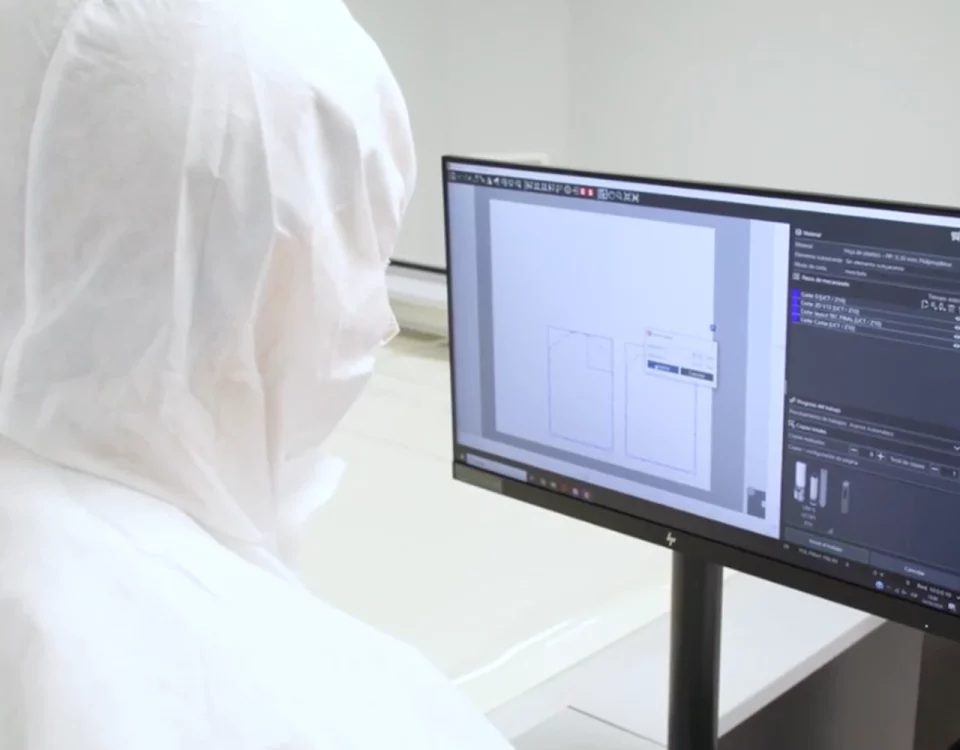
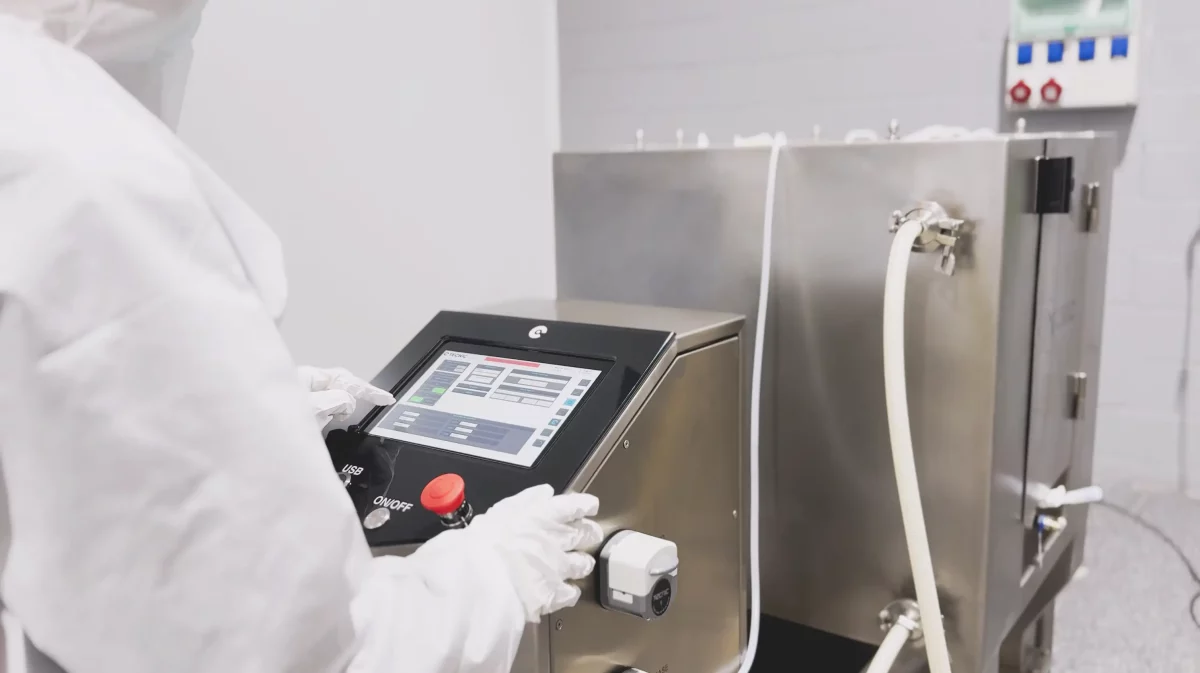
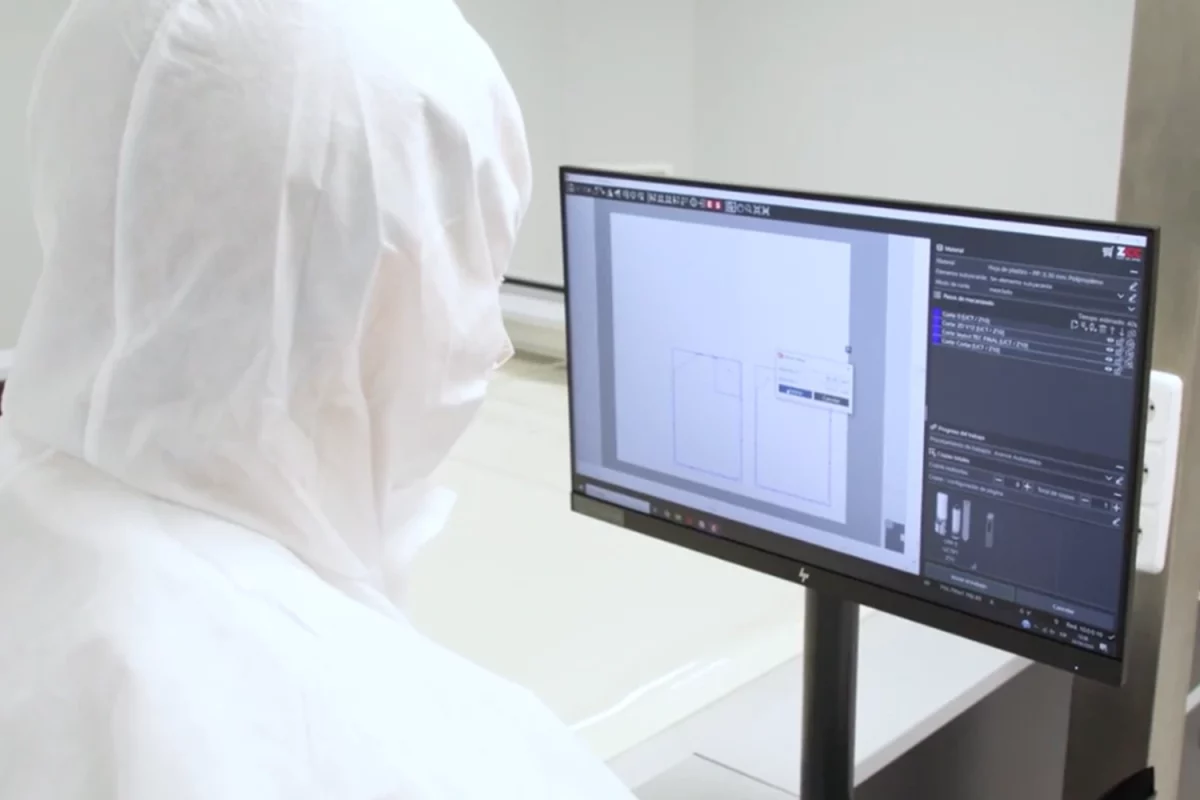
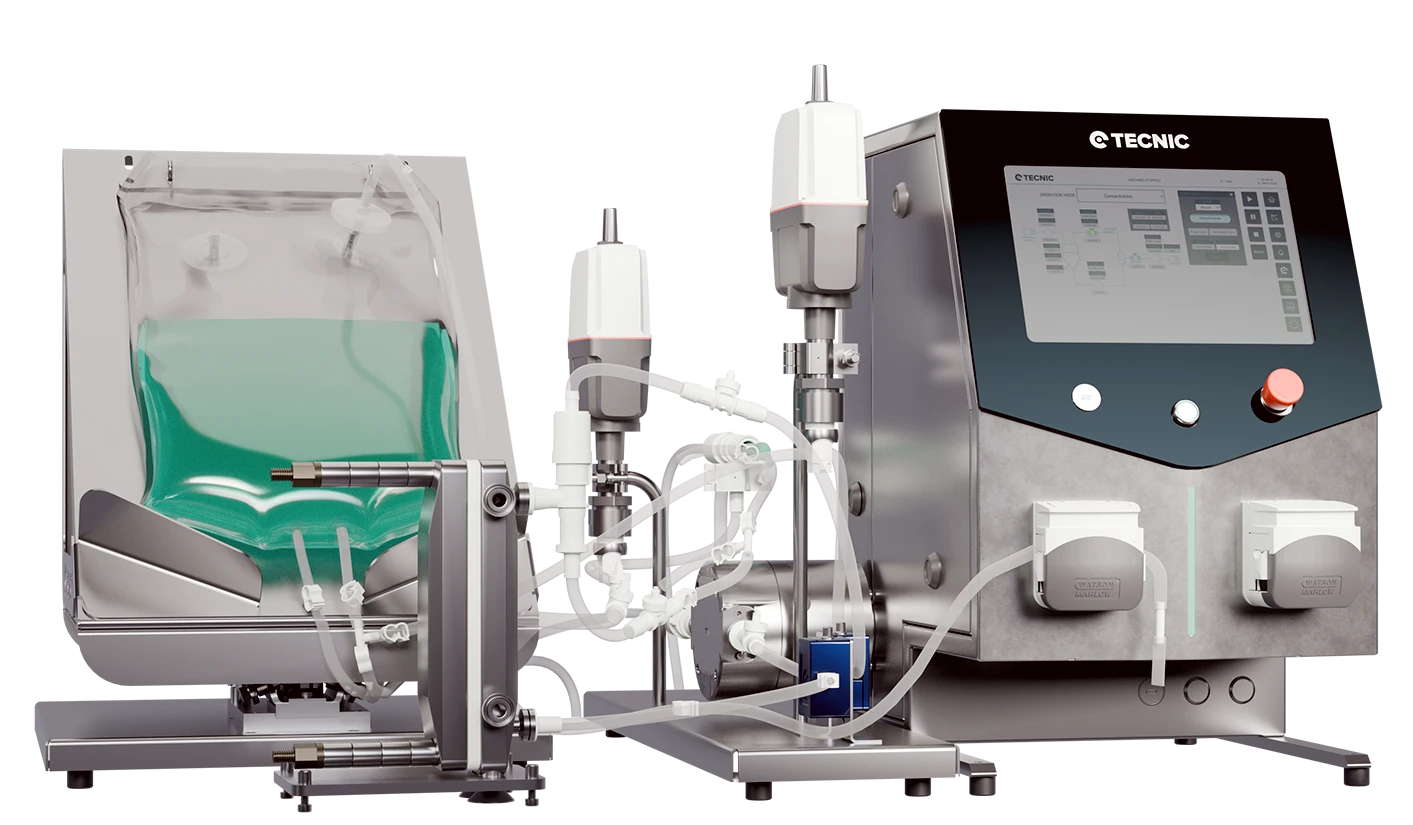
Continuous perfusion helps by balancing nutrient supply and waste removal without breaking the sterile environment. At the same time, advanced control software makes it possible to monitor key parameters in real time and react more quickly to process drift.
Supports continuous nutrient renewal and waste removal, helping maintain a more stable cell environment.
Enables closer follow-up of pH, temperature, oxygen, carbon dioxide and related cultivation variables.
Improves reproducibility and helps the process stay closer to batch-specific requirements.

How the workflow changes in autologous production
Autologous production changes the meaning of scale. The objective is not necessarily the largest campaign, but the safest and most reproducible route for a specific patient-derived process. That shifts the operational priorities.
Each run may correspond to one patient or one tightly defined therapeutic case.
Downtime between batches becomes more critical because treatment windows can be narrow.
Cross-contamination risk is especially sensitive in patient-specific manufacturing.
Every cultivation step needs a stronger connection between monitoring, action and documentation.
Personalised medicine often needs equipment that behaves more like a controlled manufacturing platform than a conventional production asset.
What teams should check before implementing single-use bioreactors for personalised medicine
The most useful technical review is not only whether a single-use system can grow the cells. It is whether the whole platform can support the therapy logic around them.
Why collaboration matters so much in this field
The original article places strong emphasis on collaboration with institutions linked to research, cell therapy and clinical practice. That reflects the reality of personalised medicine: technical success depends on more than equipment. It depends on the integration of engineering, biology, GMP know-how and clinical perspective.
In this context, collaboration is not only a funding or visibility point. It is part of how complex therapies move from concept to real therapeutic application.
How TECNIC fits this project landscape
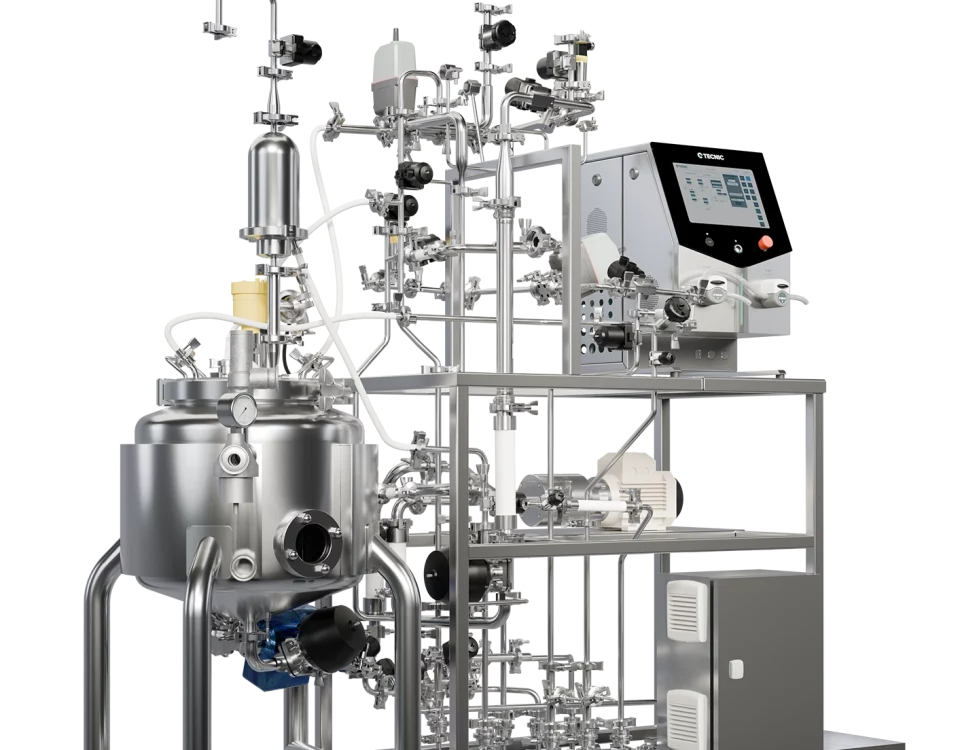
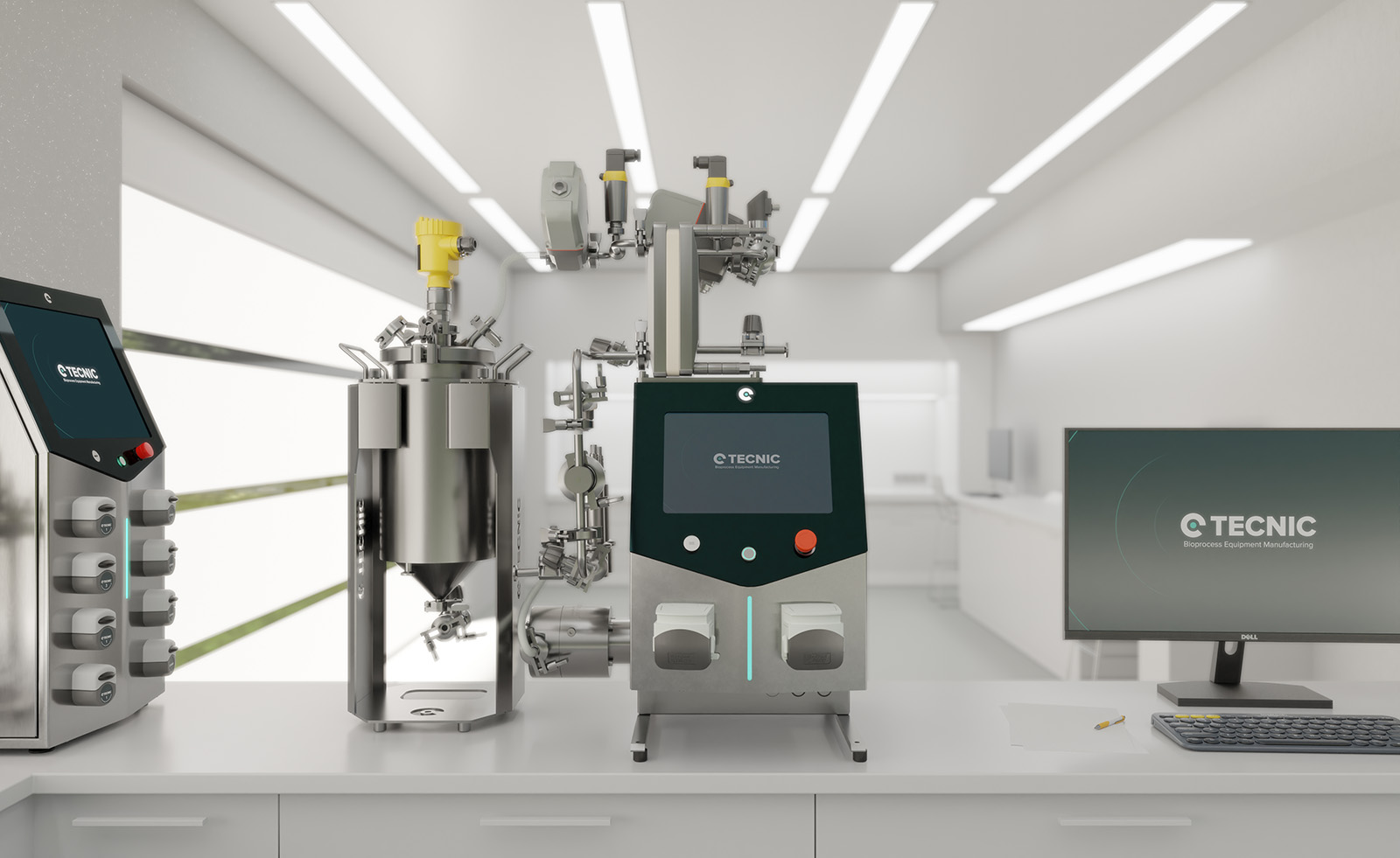
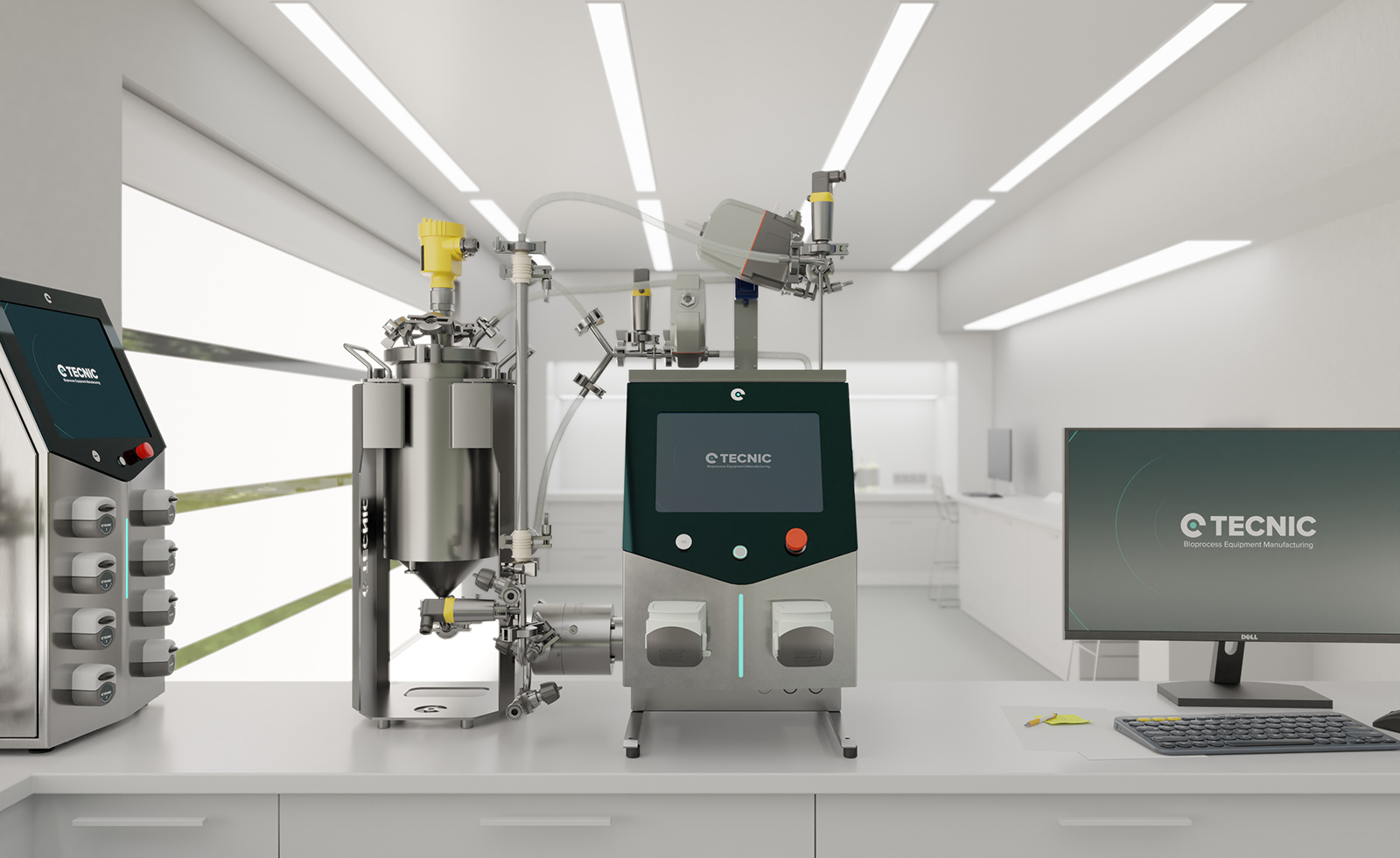
The article positions TECNIC within a project focused on intelligent parallel single-use bioreactors for autologous cell therapy. The most important point is not only the project announcement itself, but what it says about TECNIC’s direction: advanced control, perfusion integration, modularity and clear alignment with cell therapy manufacturing challenges.
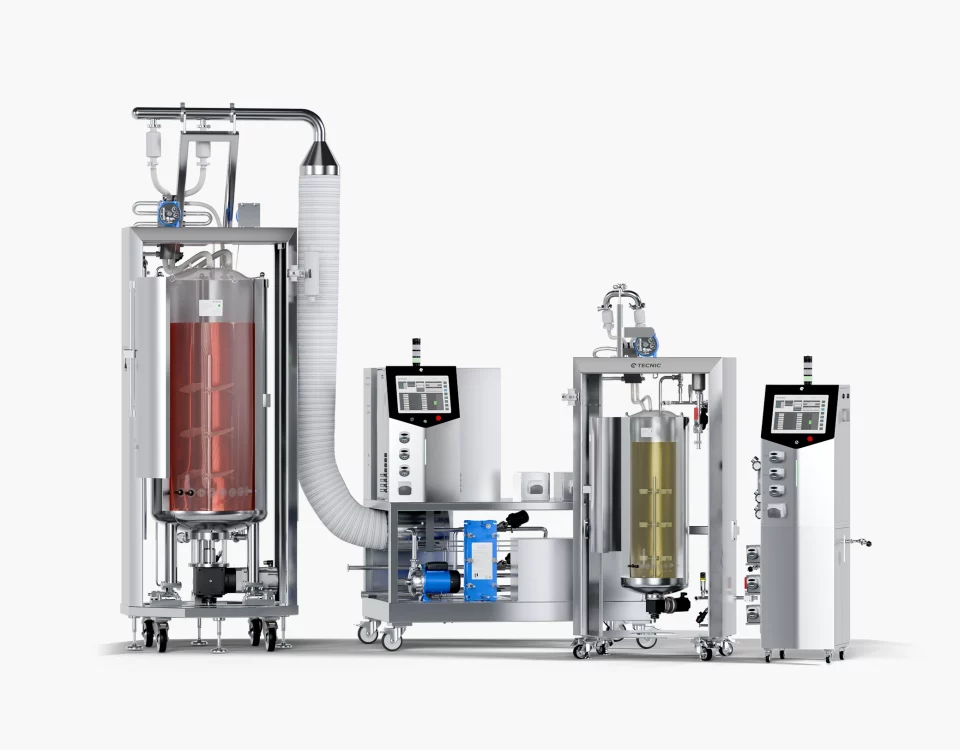
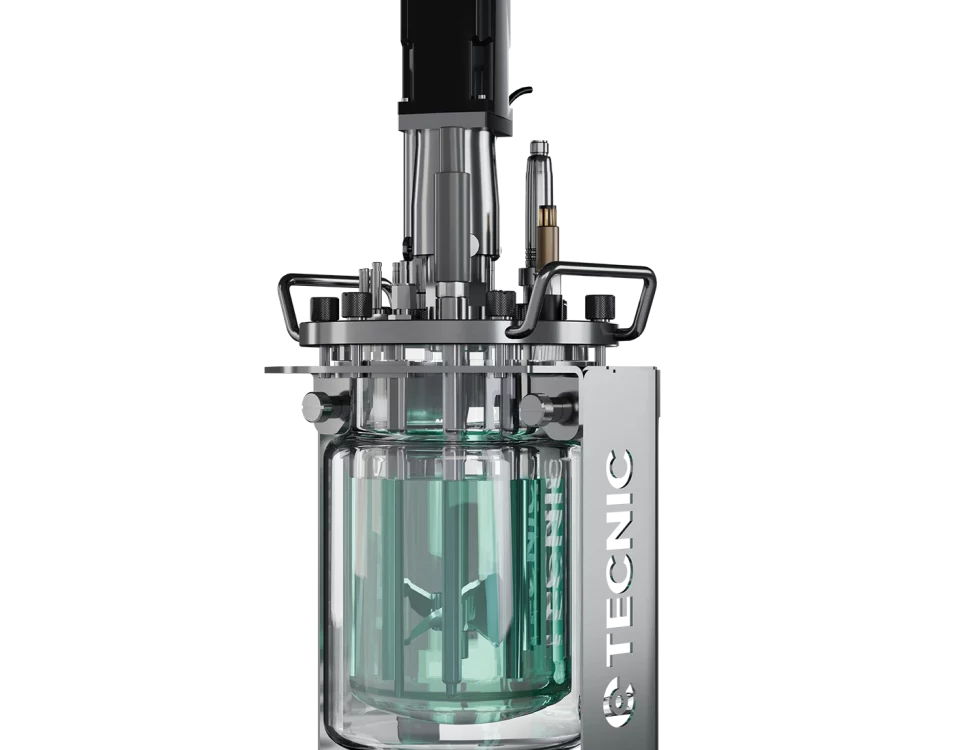
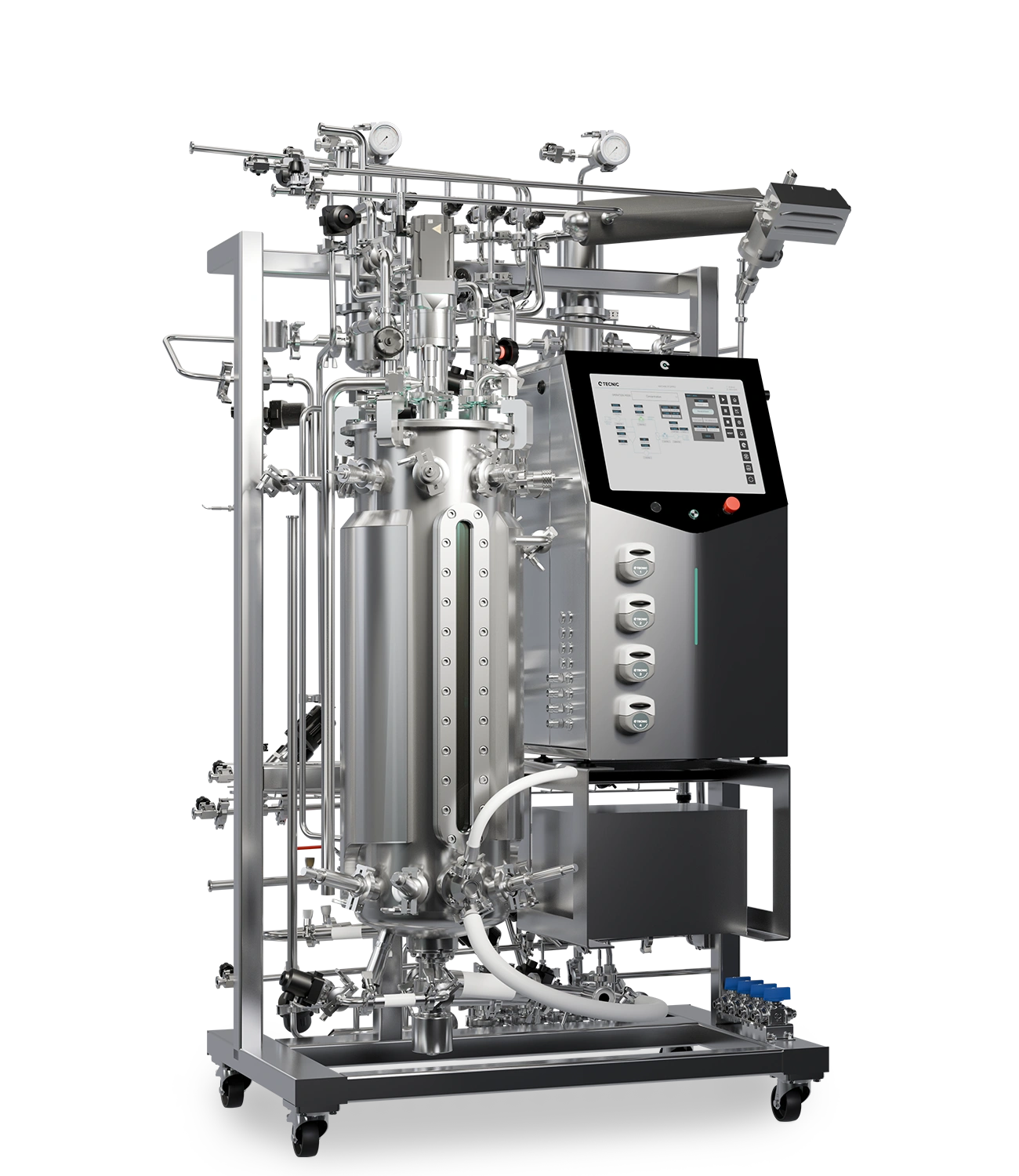
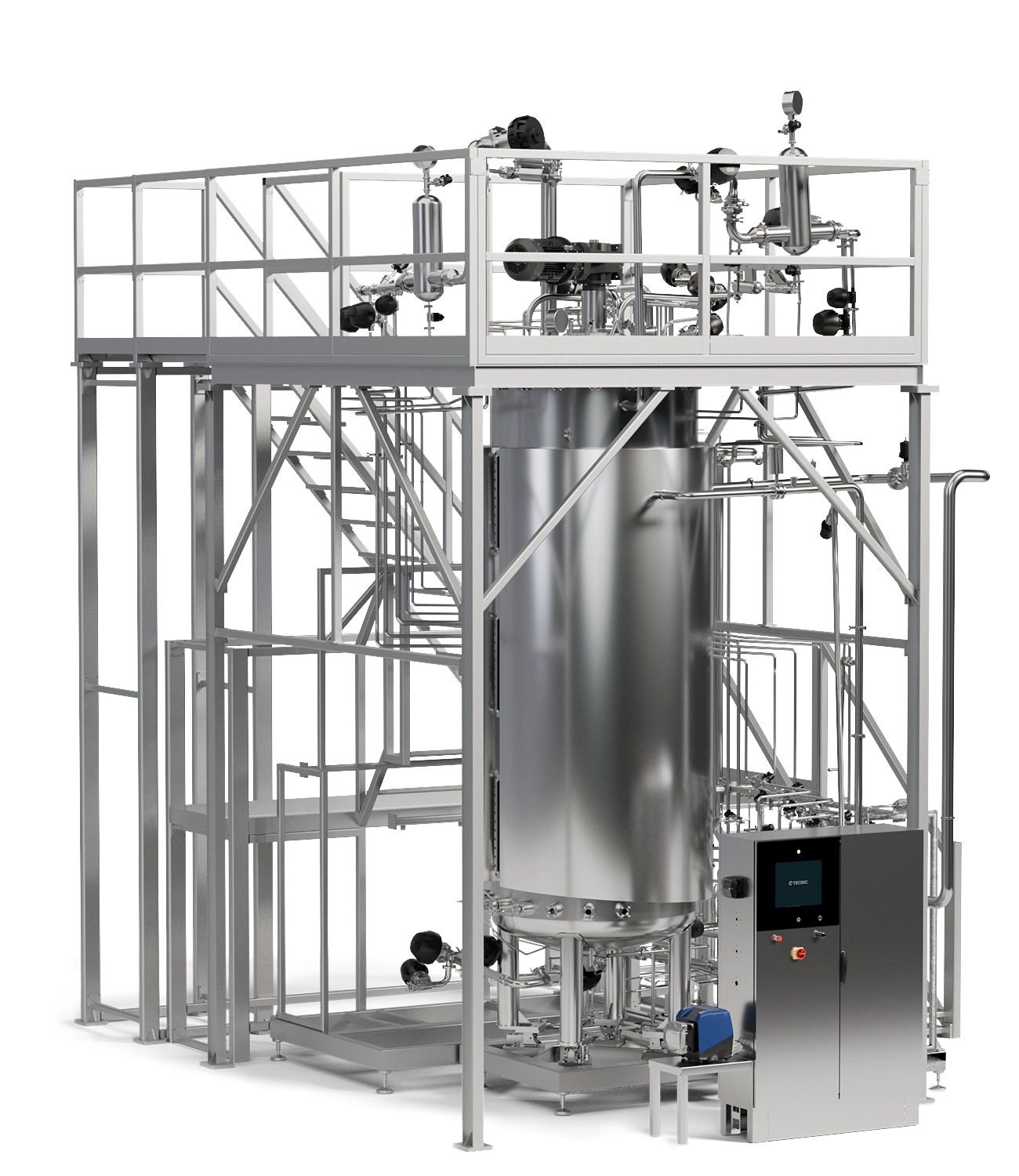
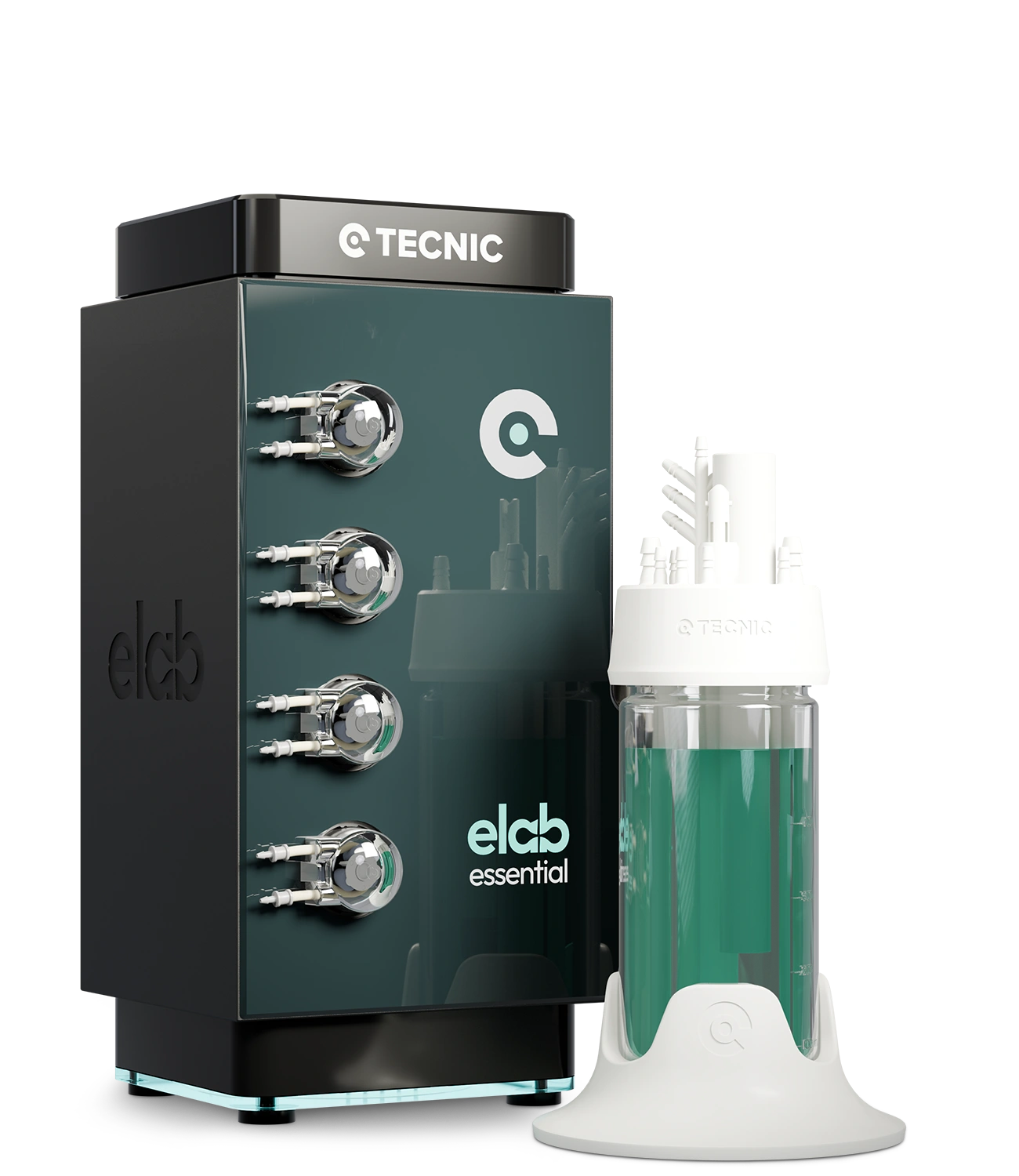
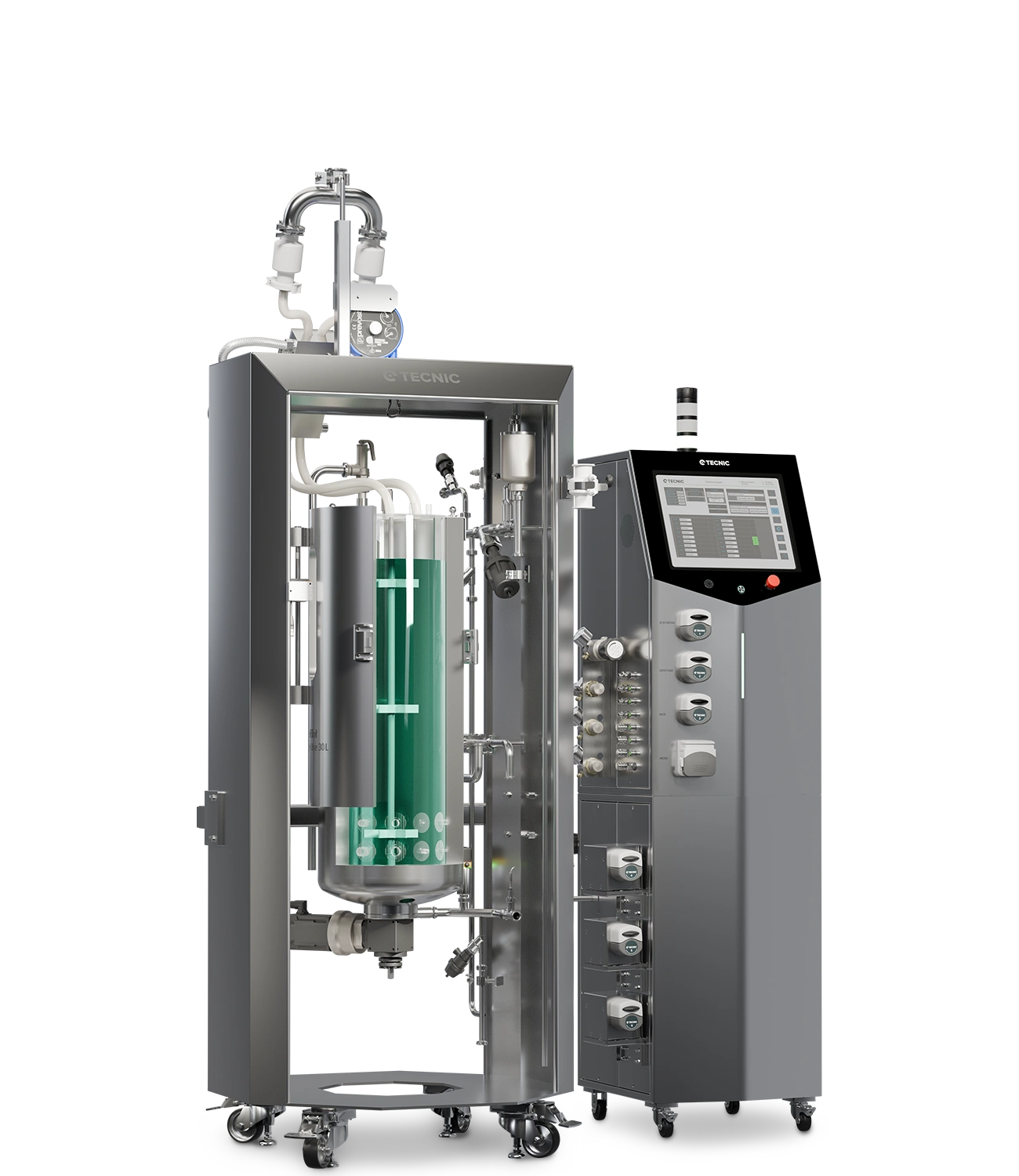
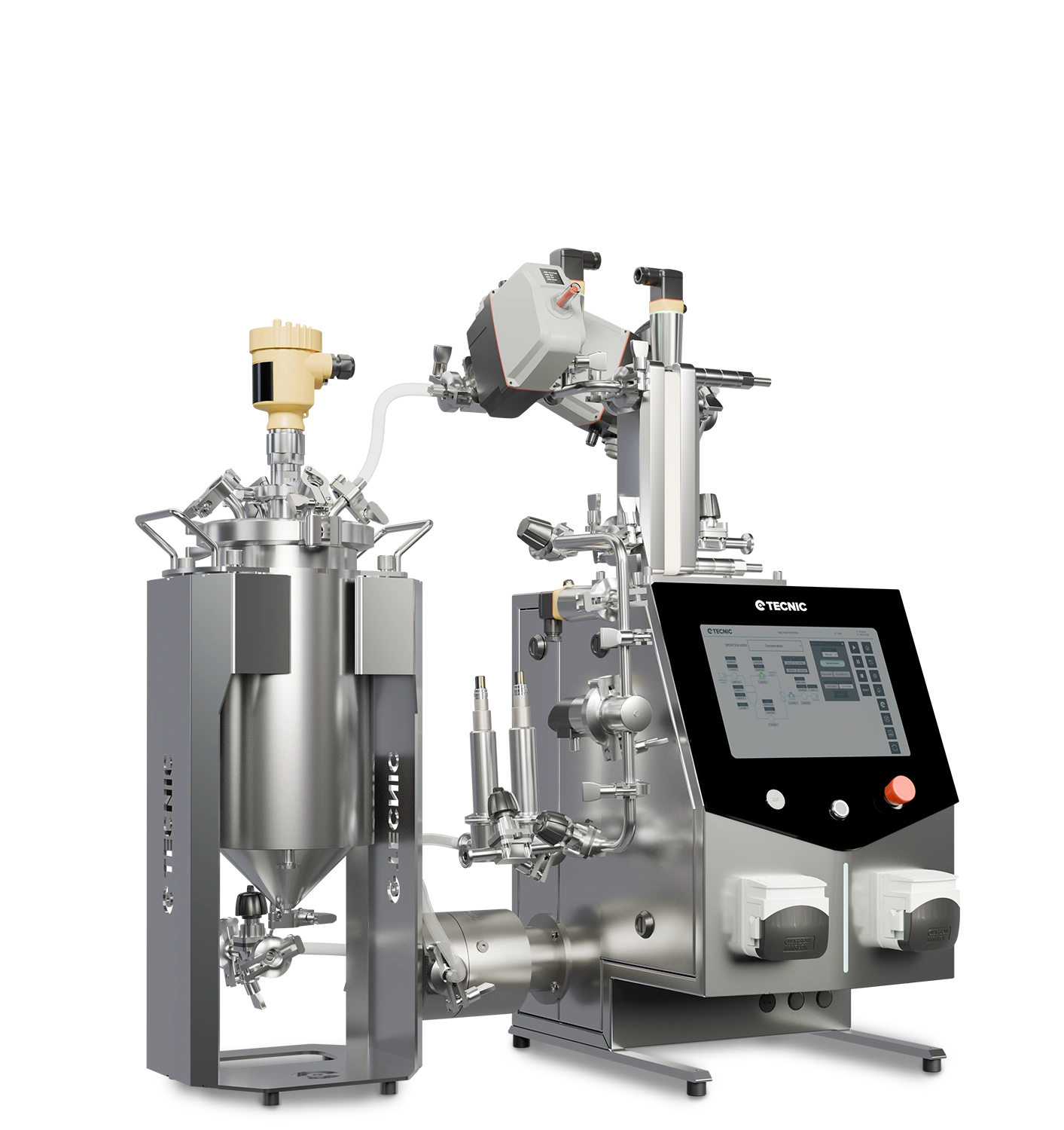
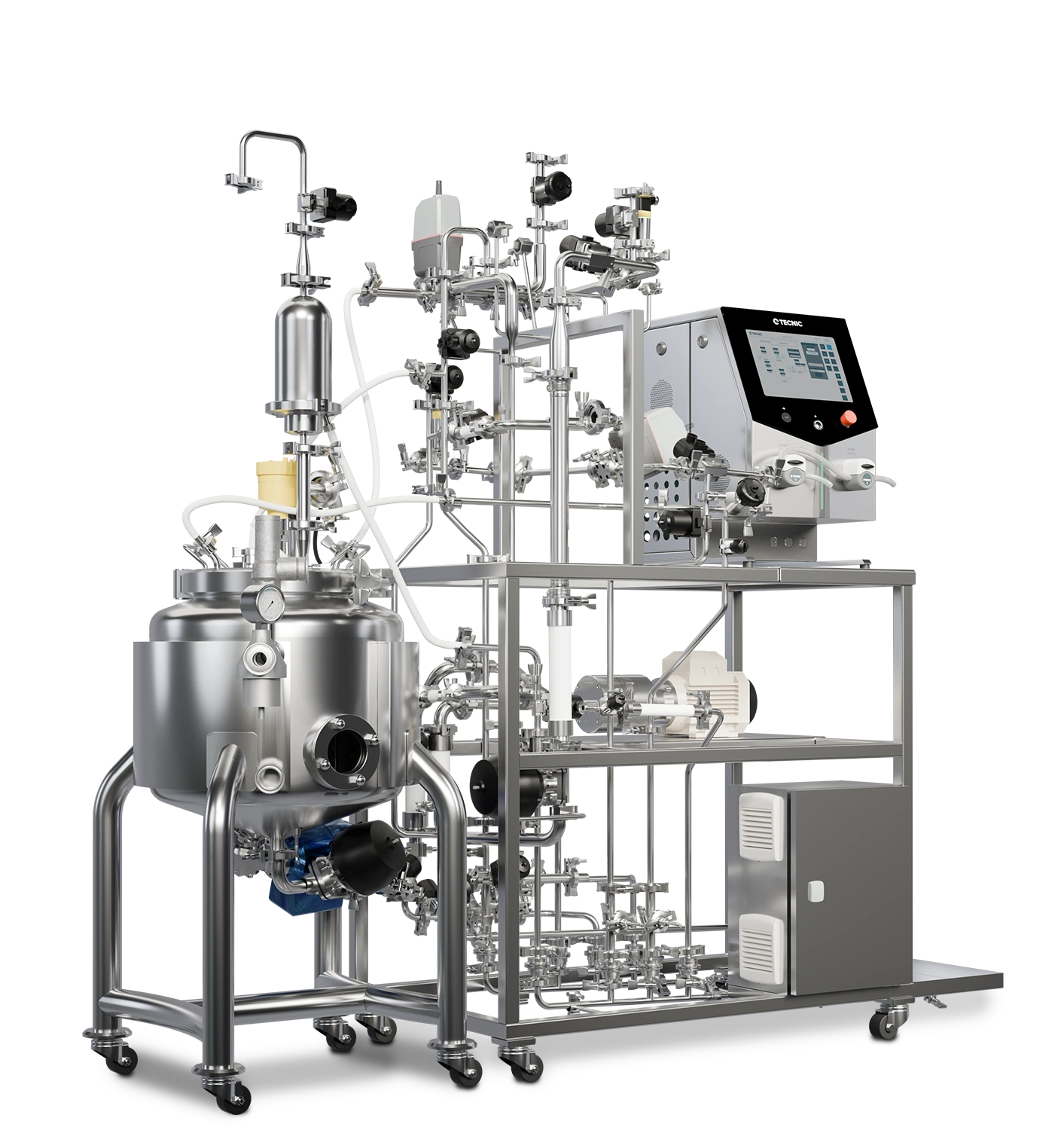
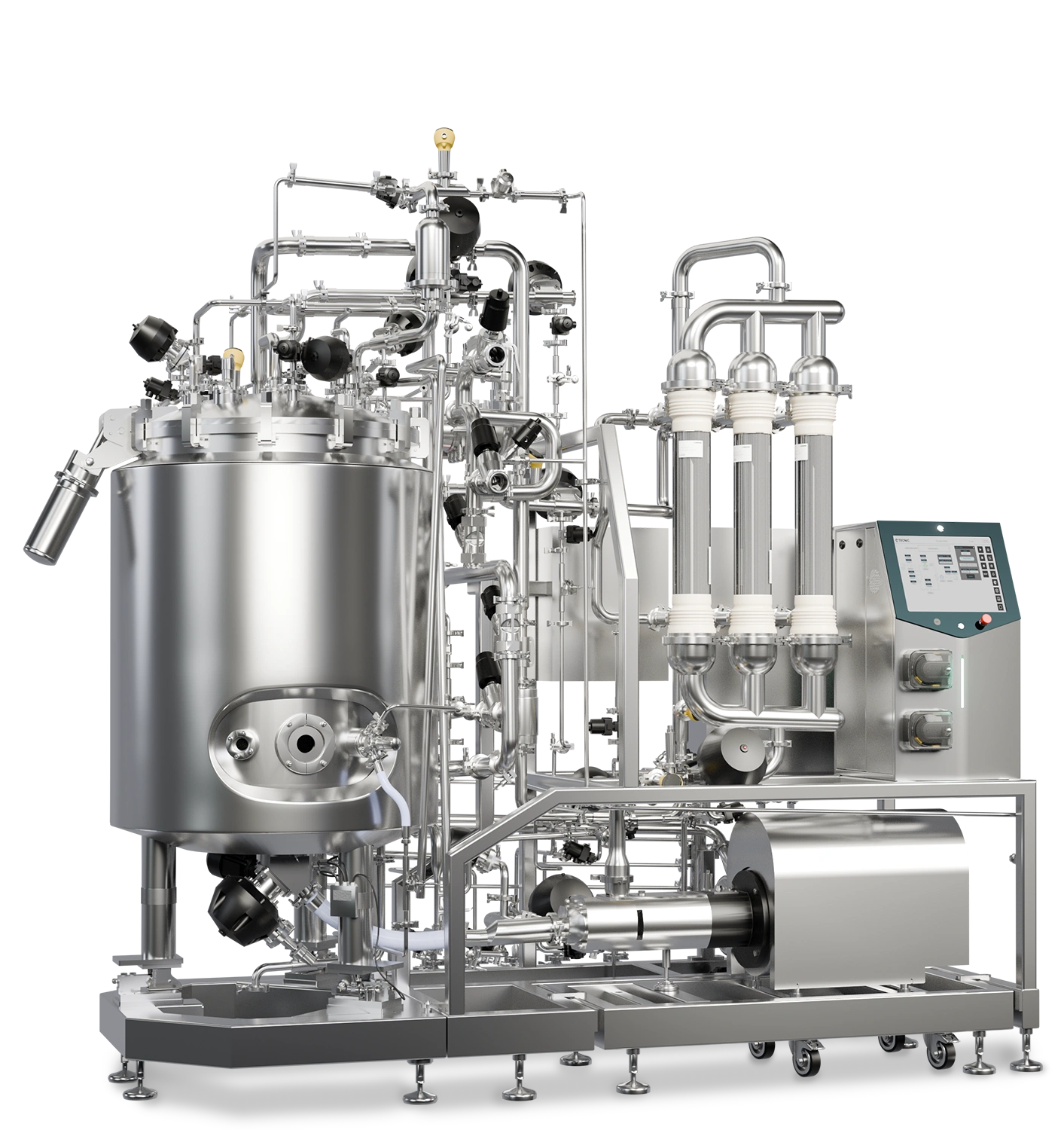
Single-use bioreactor range
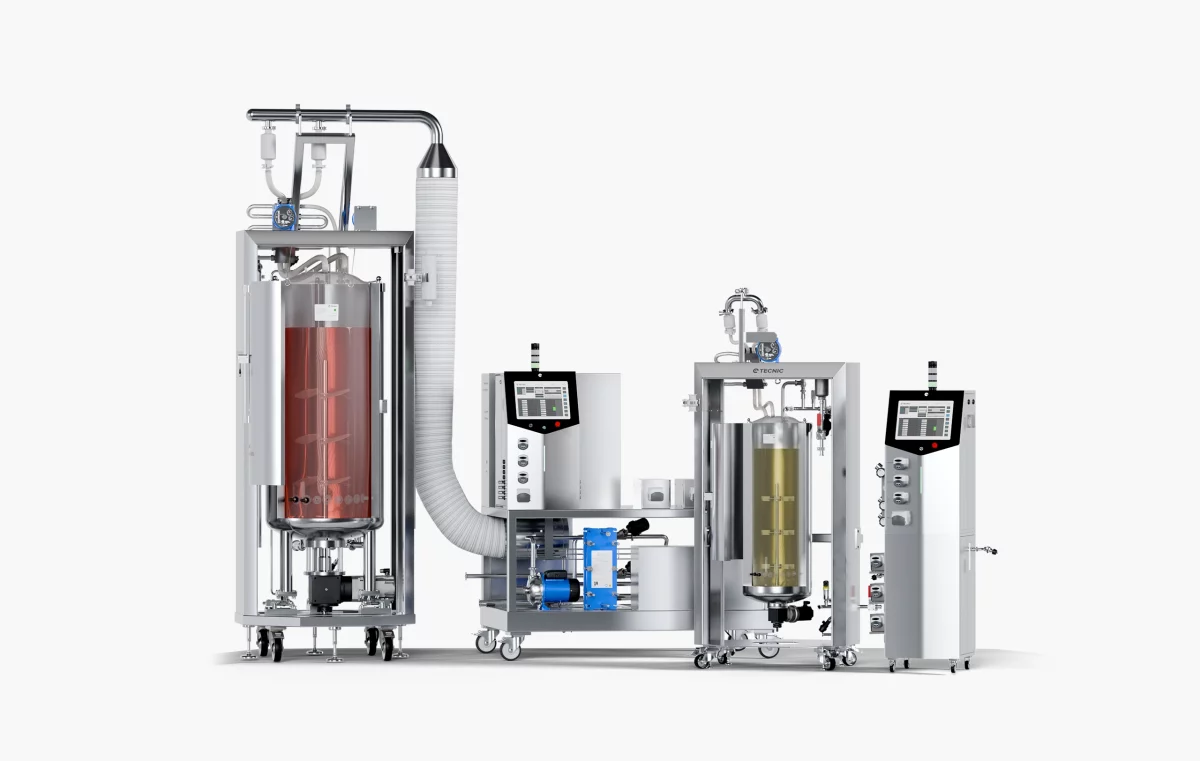
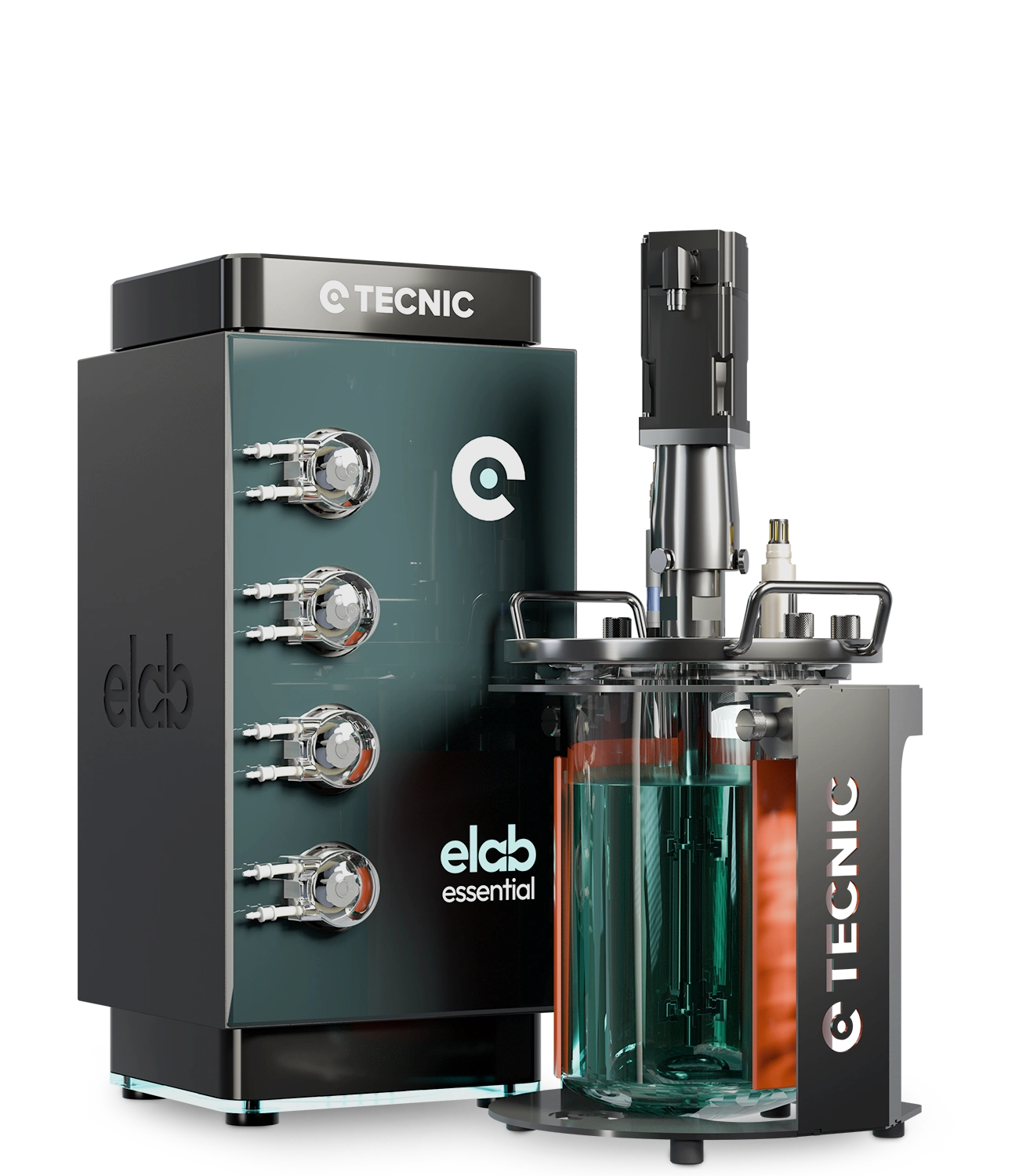
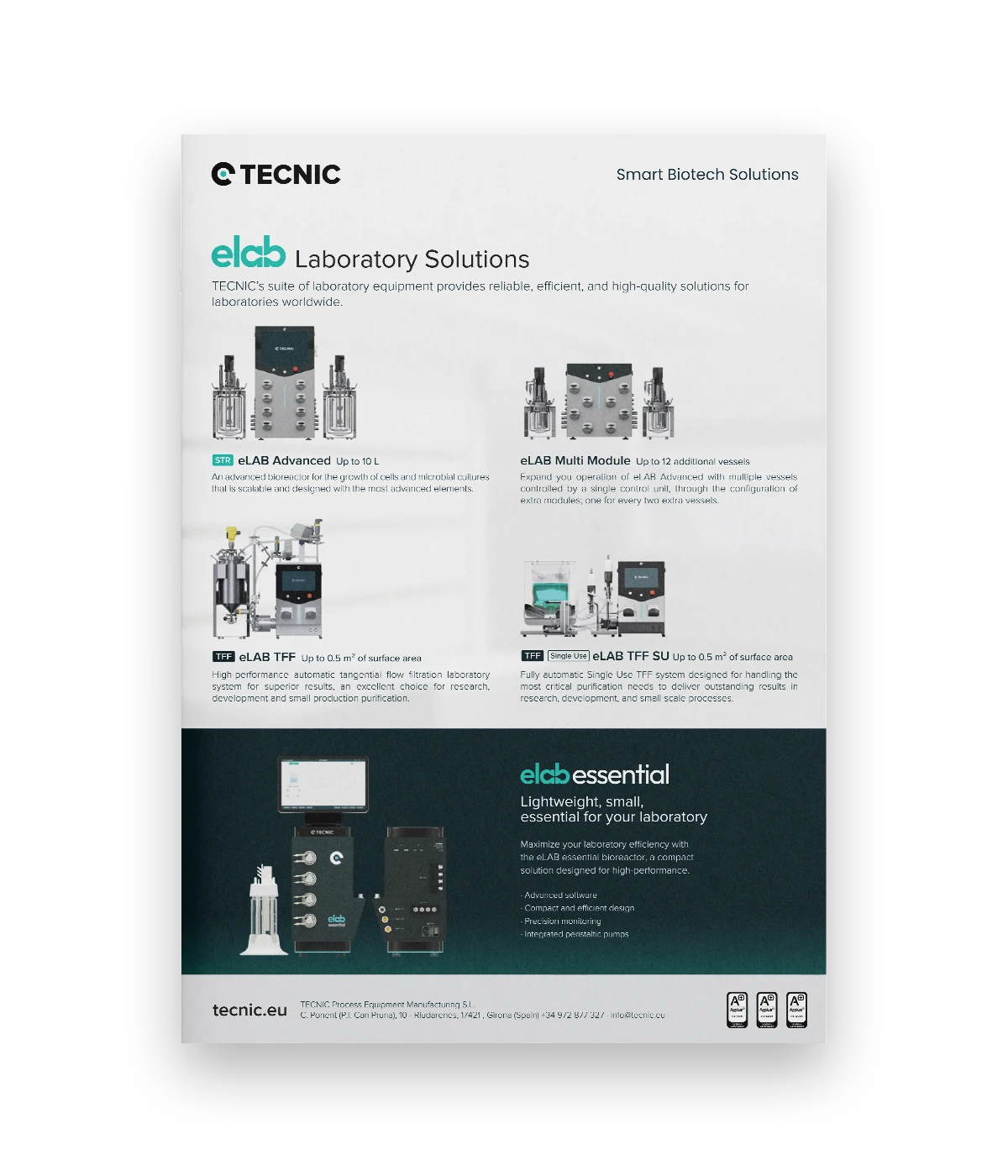
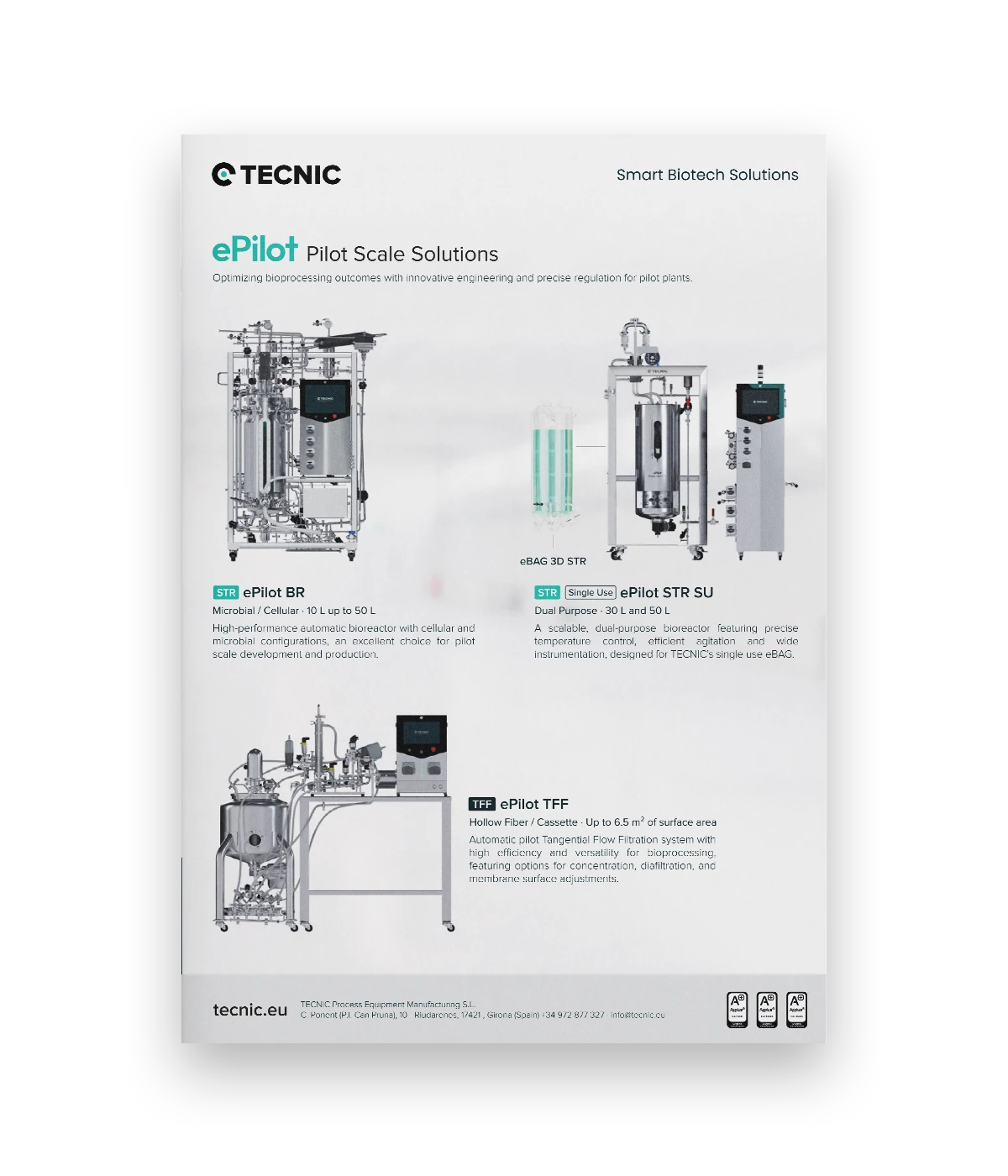
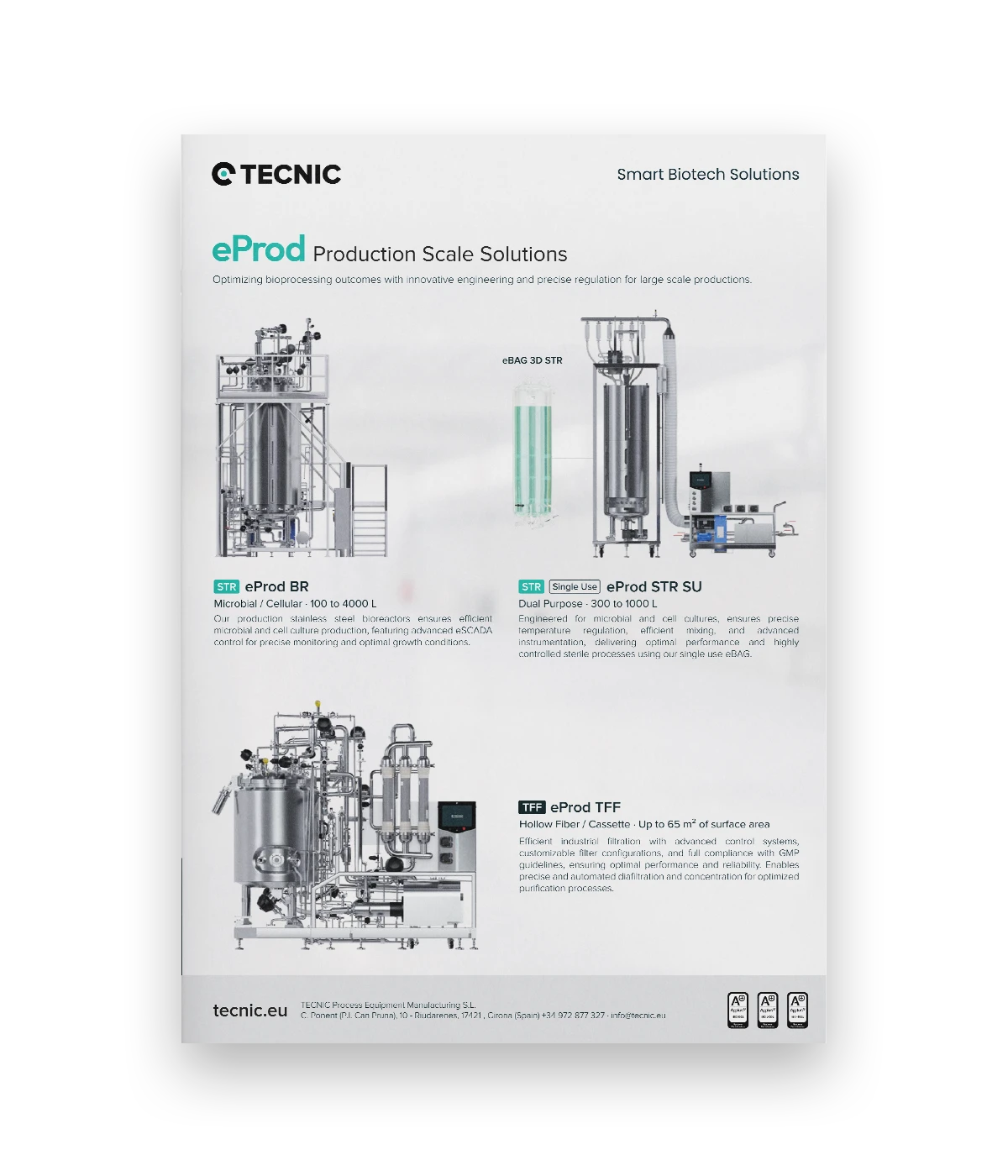
The clearest product bridge from the article, especially for readers looking for the current single-use bioreactor portfolio.
Perfusion-related workflows
Since the article strongly emphasises perfusion, that process logic becomes one of the most relevant bridges to TECNIC technology.
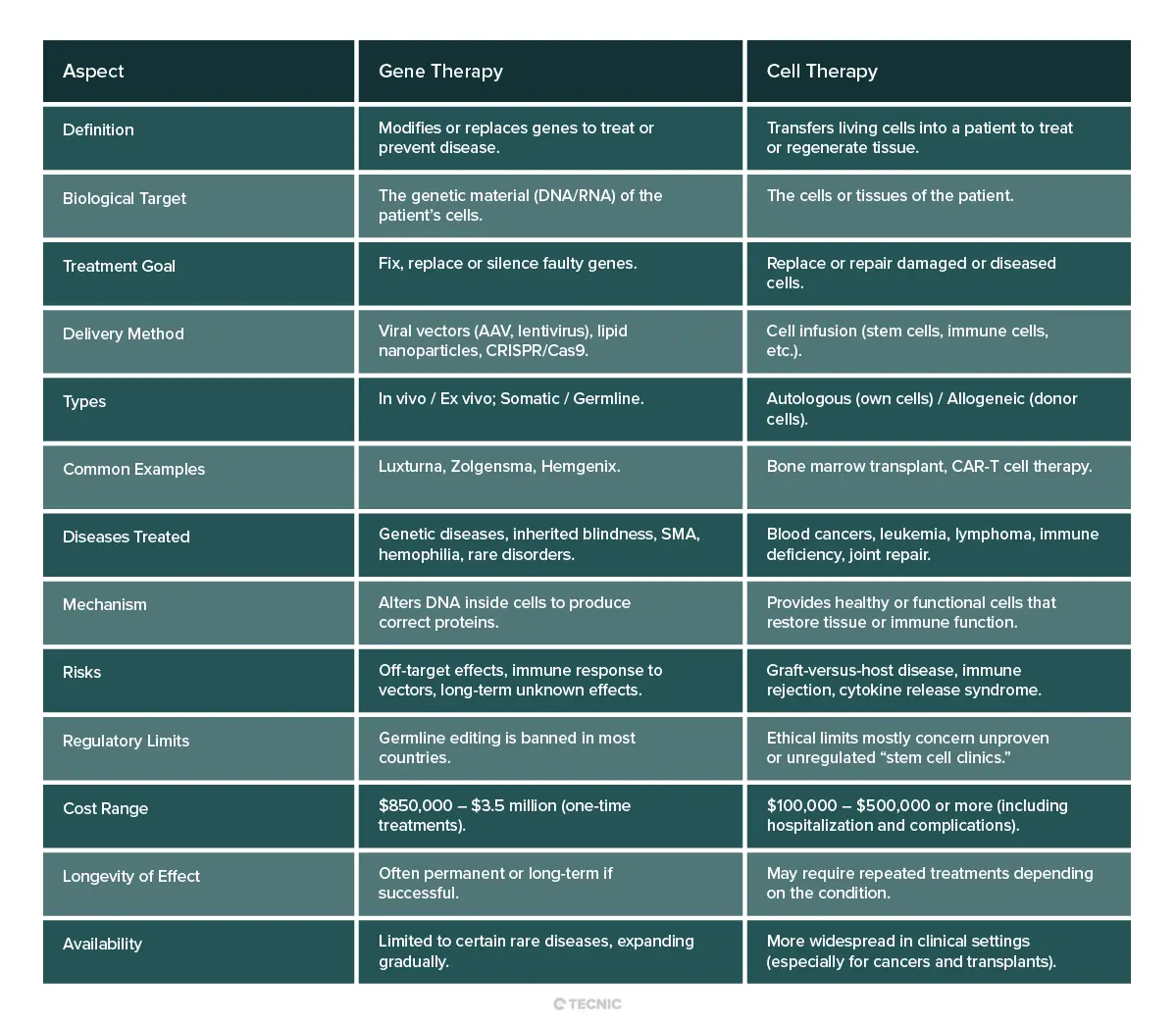
Cell and gene therapy context
The project sits naturally within the broader advanced therapy field already covered in TECNIC content.
Contact TECNIC
Teams evaluating patient-specific manufacturing workflows often benefit from a direct technical conversation early in the process.
This section stays project-oriented on purpose. The topic works better when it feels tied to a real manufacturing challenge rather than only to a product list.
Frequently asked questions
Why are single-use bioreactors useful in personalised medicine?
Because they reduce repeated cleaning and sterilisation needs, help lower cross-contamination risk and fit better with small, patient-specific batches.
Why does perfusion matter in autologous cell therapy?
Because it helps maintain nutrient balance and remove waste while supporting longer and more stable cell culture periods.
Is software really that important in this kind of process?
Yes. In personalised medicine, real-time monitoring and rapid adjustment are important for maintaining batch quality and reproducibility.
What makes personalised medicine production different from conventional biopharma manufacturing?
It is much more focused on small, individualised batches, strict sterility and traceable control rather than on large repetitive production campaigns.
Why is collaboration with hospitals and research institutions so important?
Because personalised medicine requires a closer connection between engineering, cell biology, GMP production and clinical application.
Exploring single-use manufacturing routes for personalised medicine?
Explore TECNIC’s single-use bioreactors or speak with our team to review the right process path for patient-specific production.