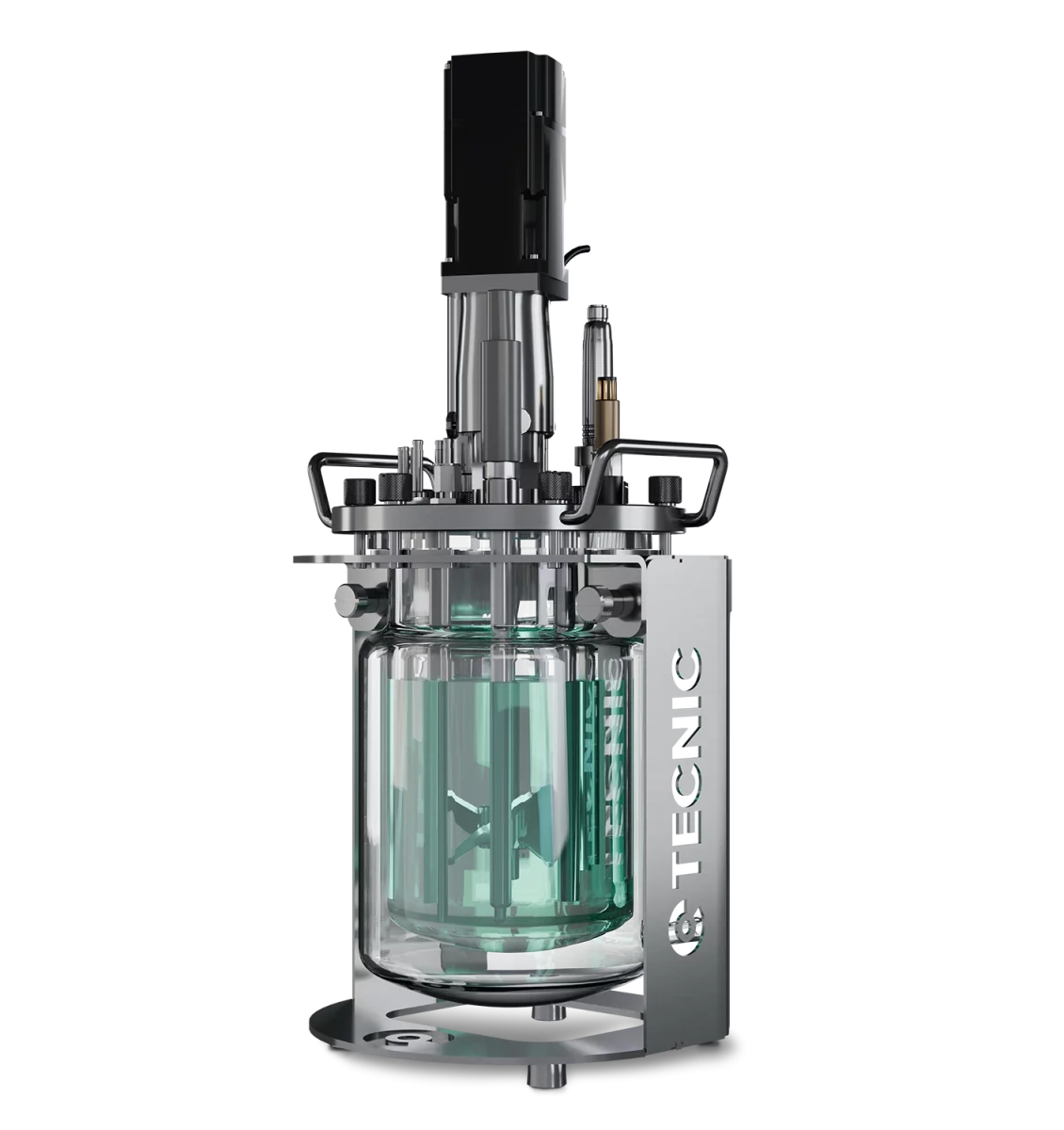
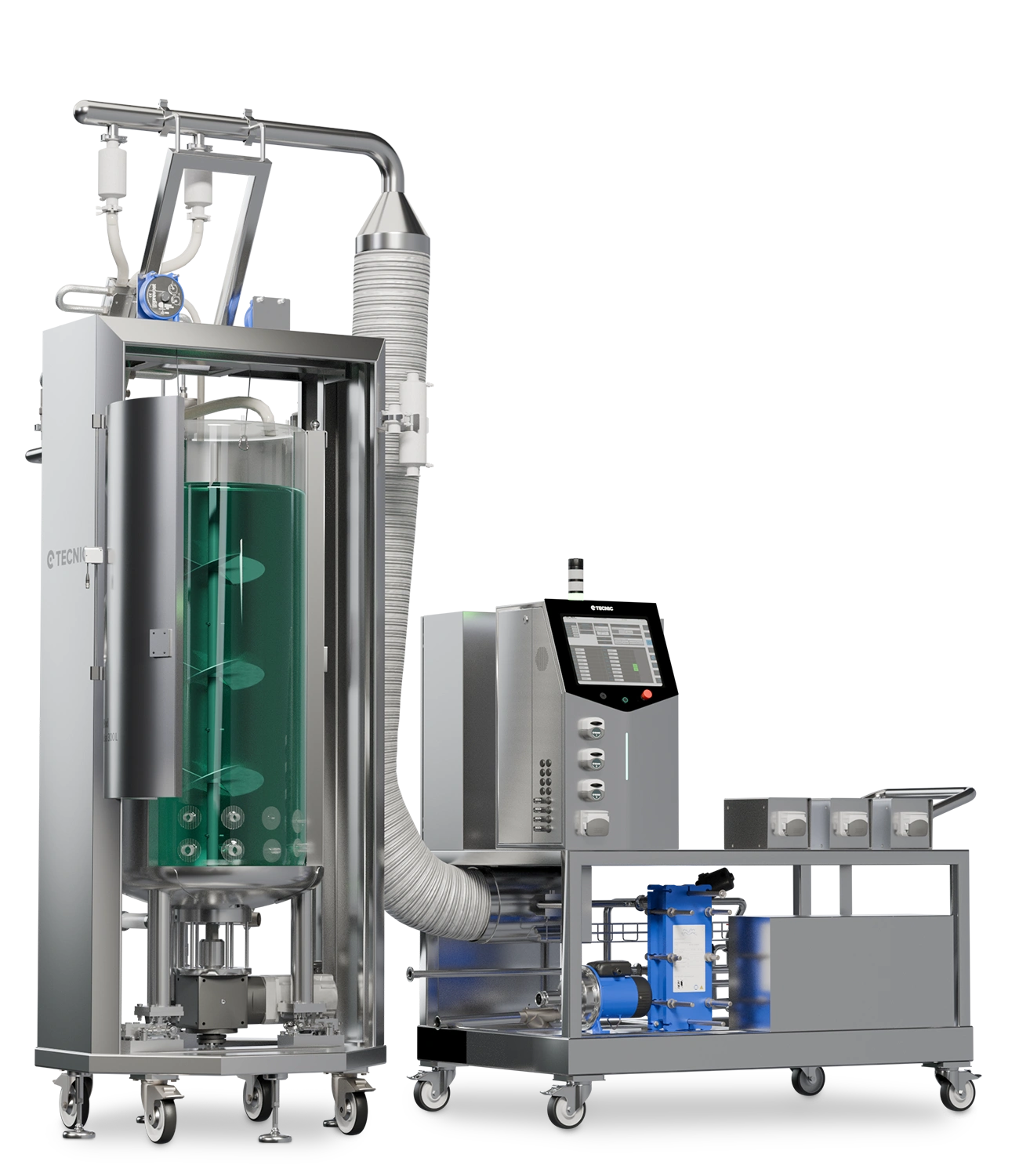
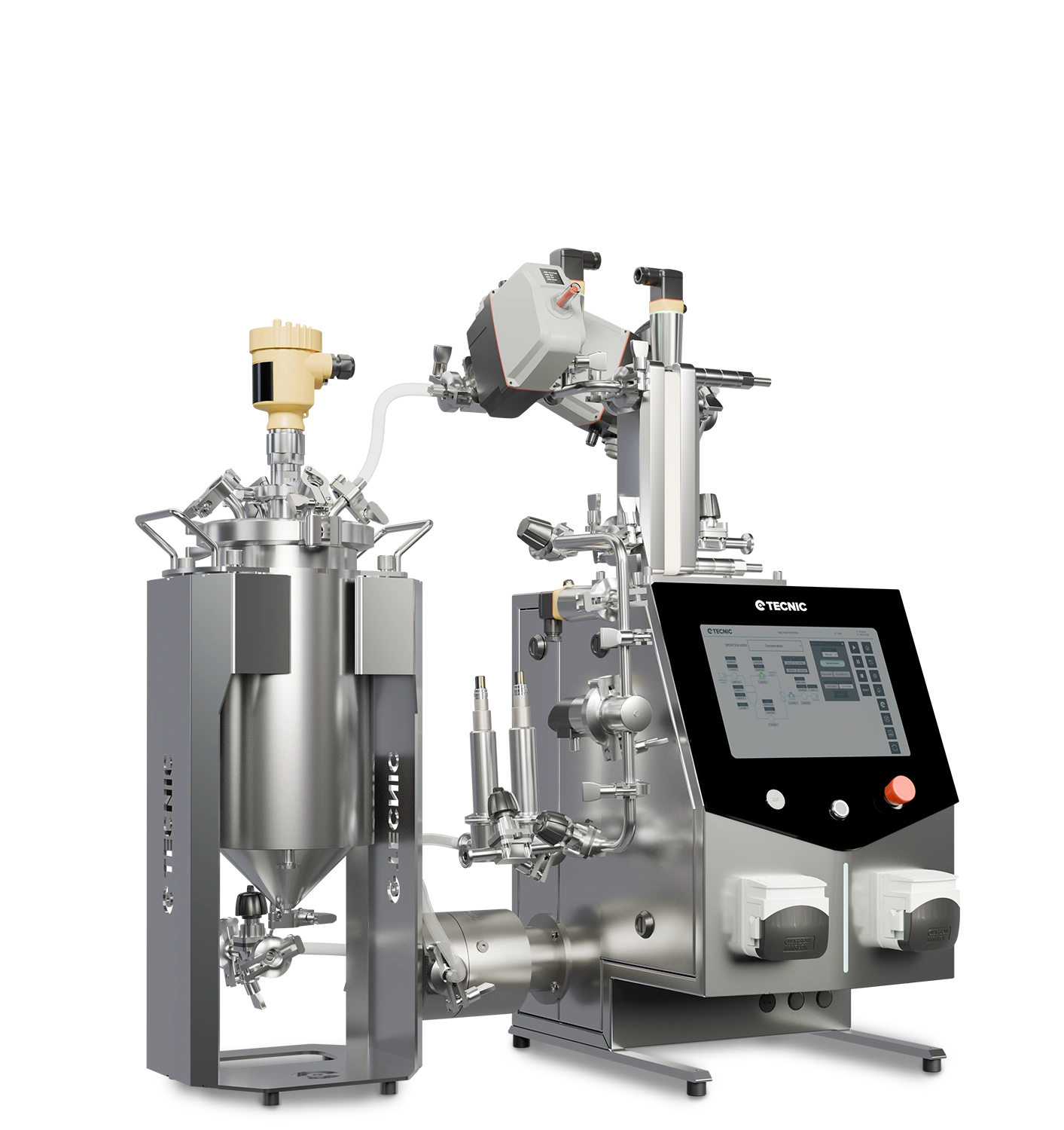
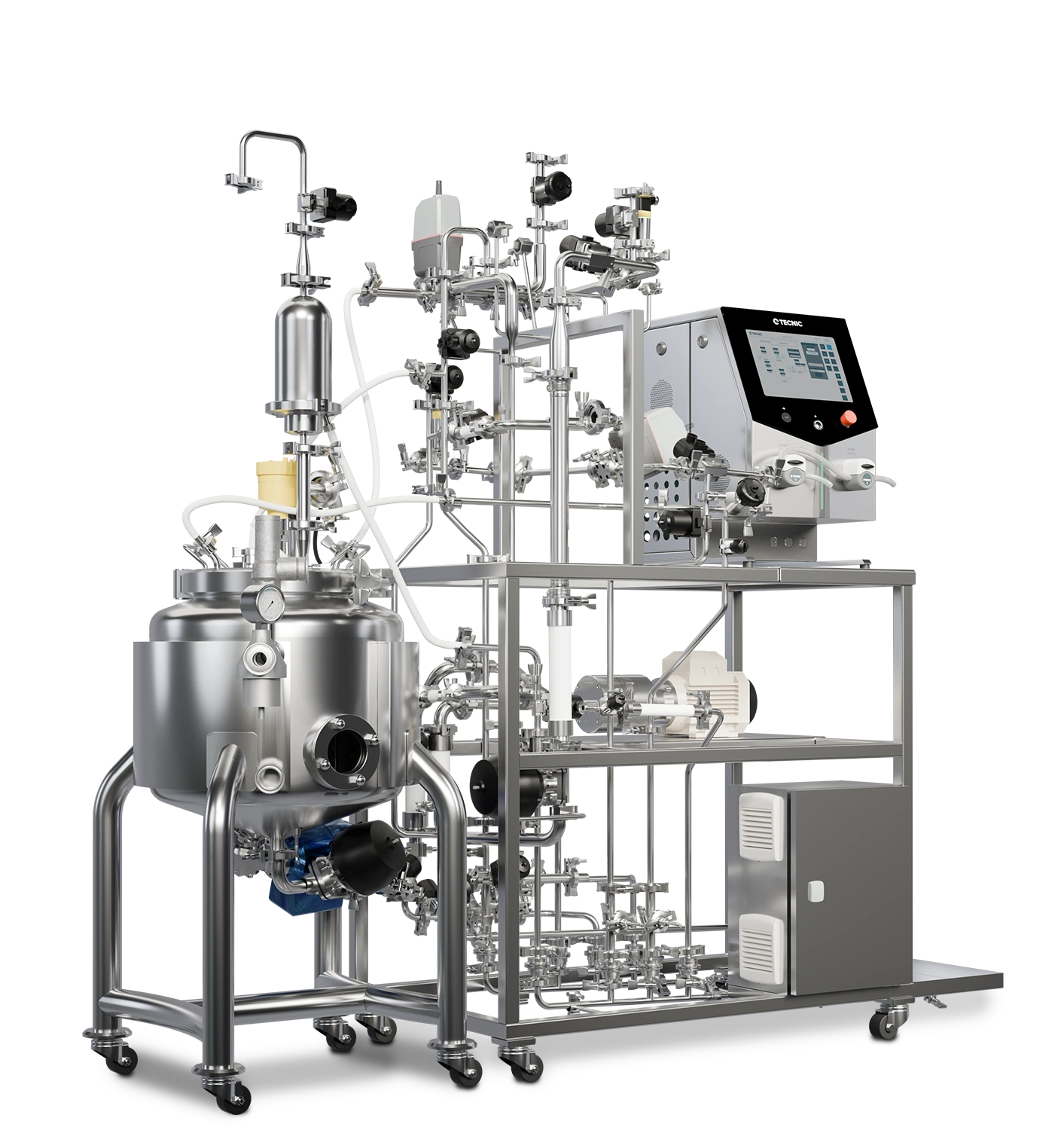
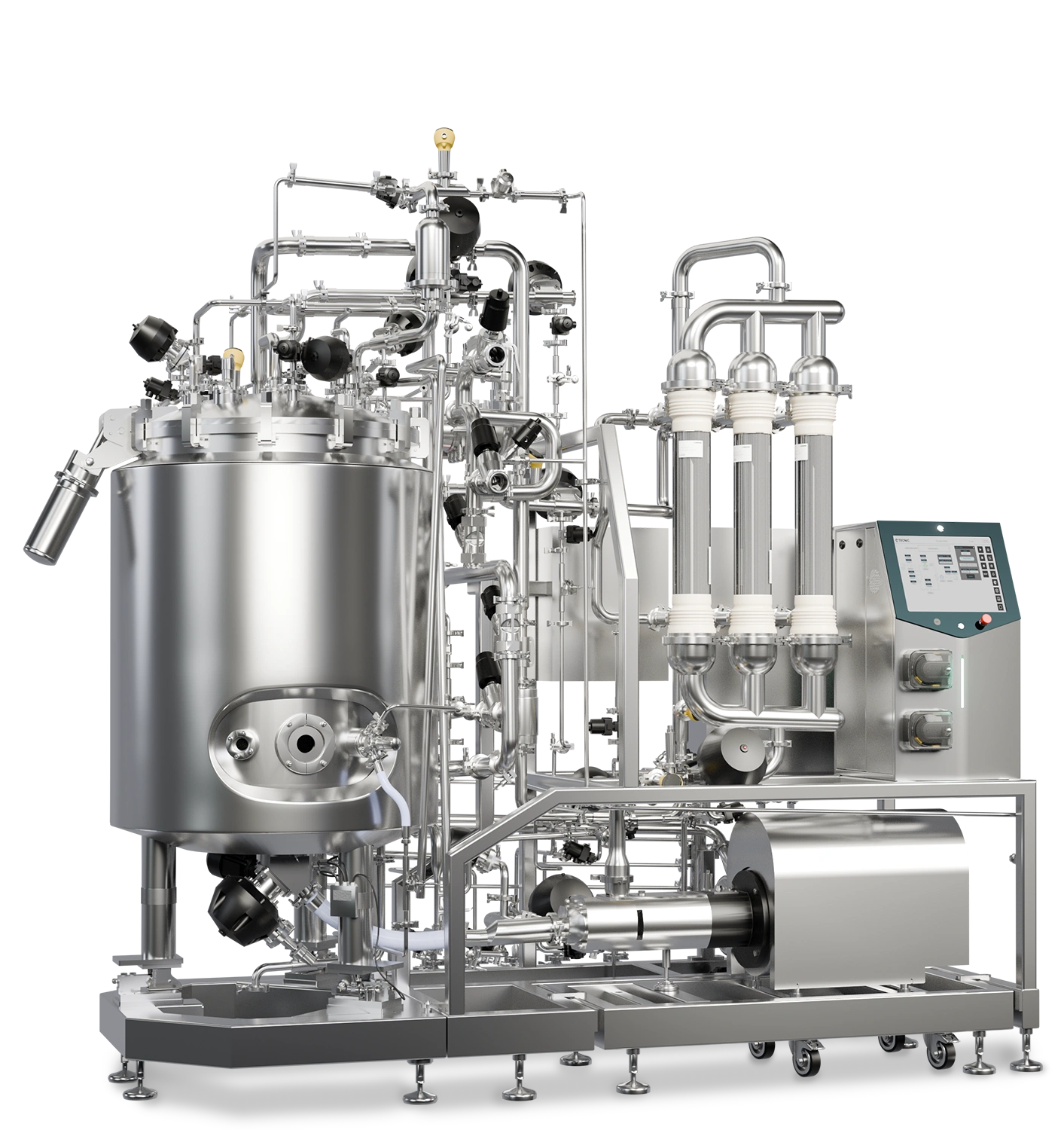
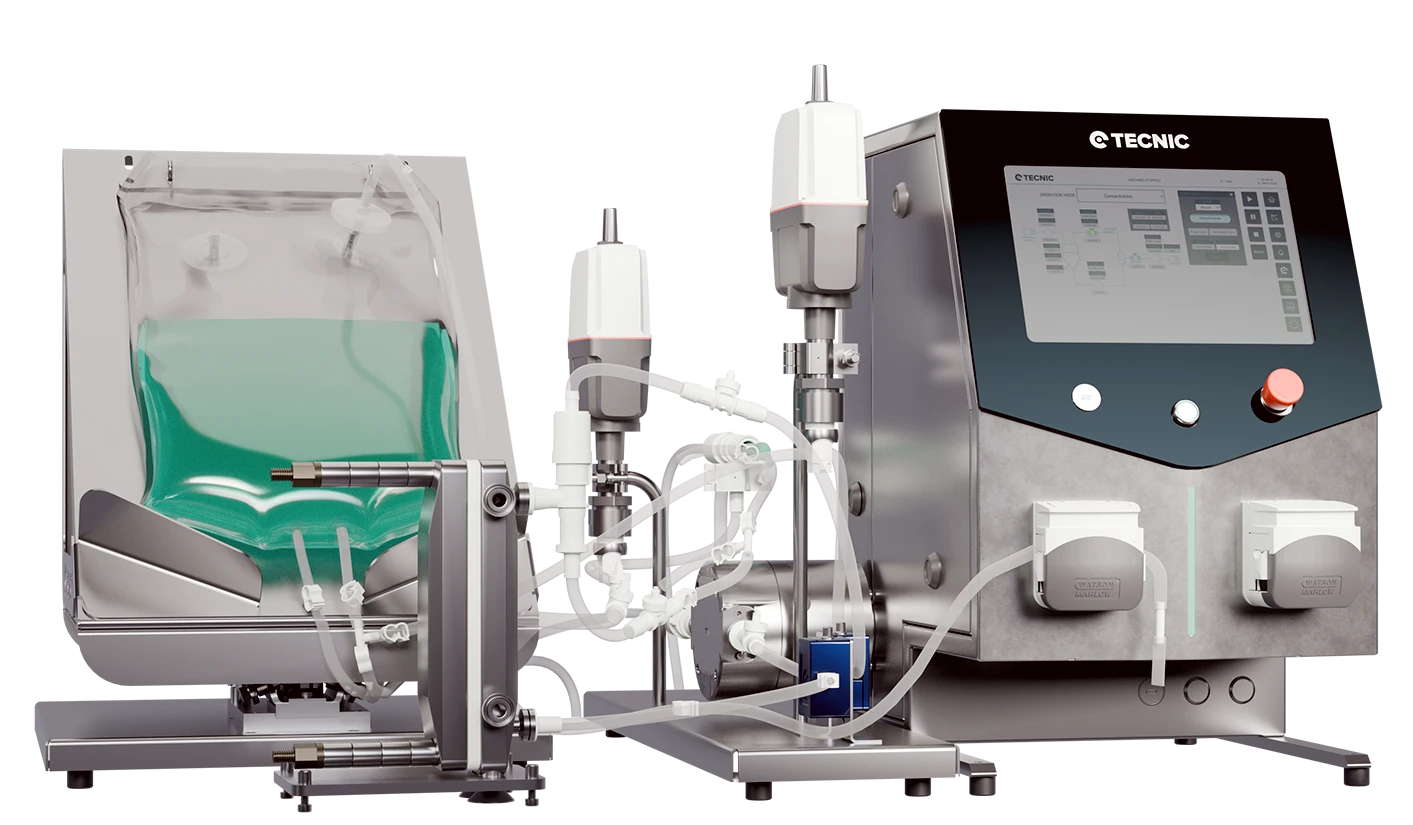
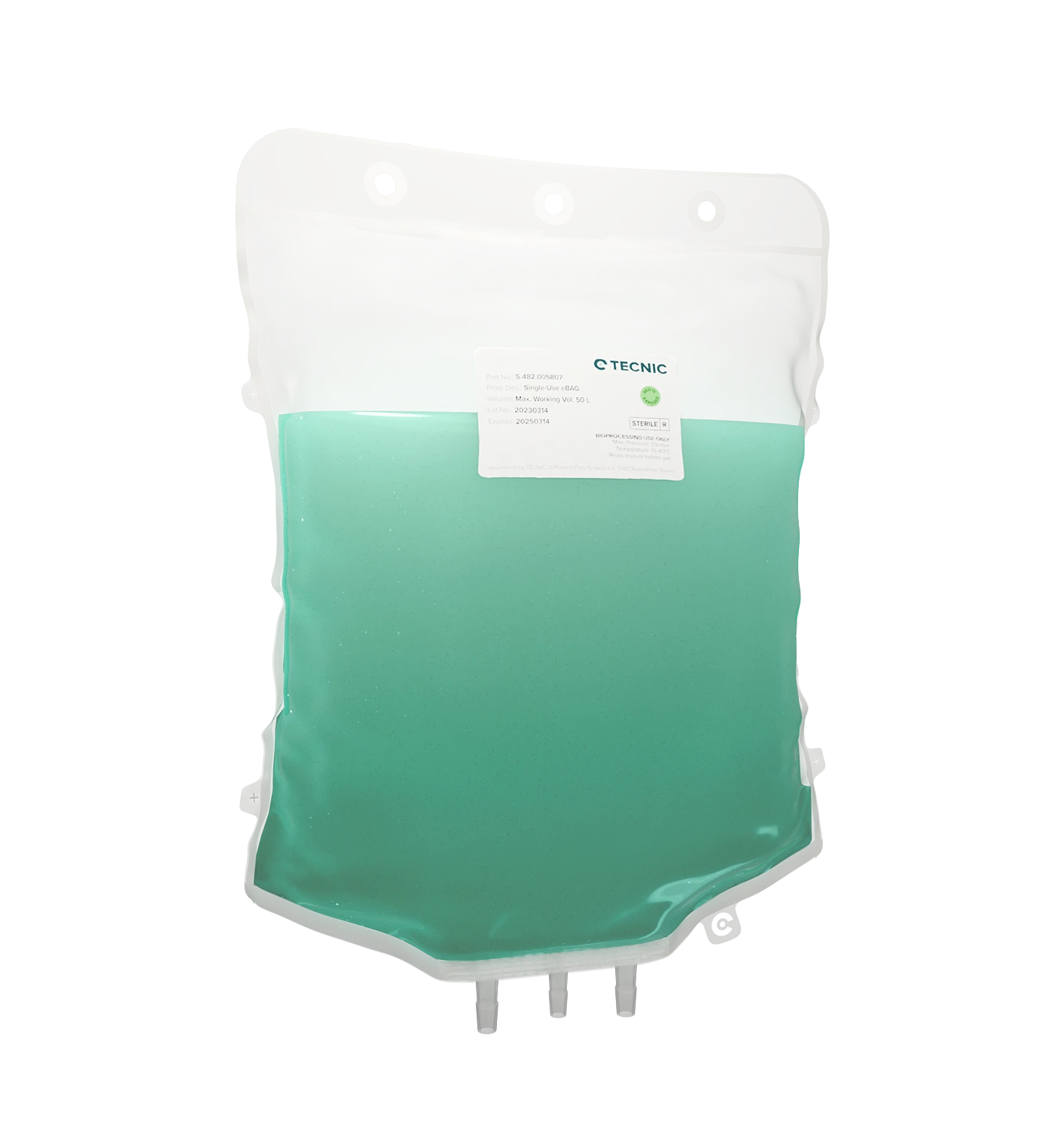
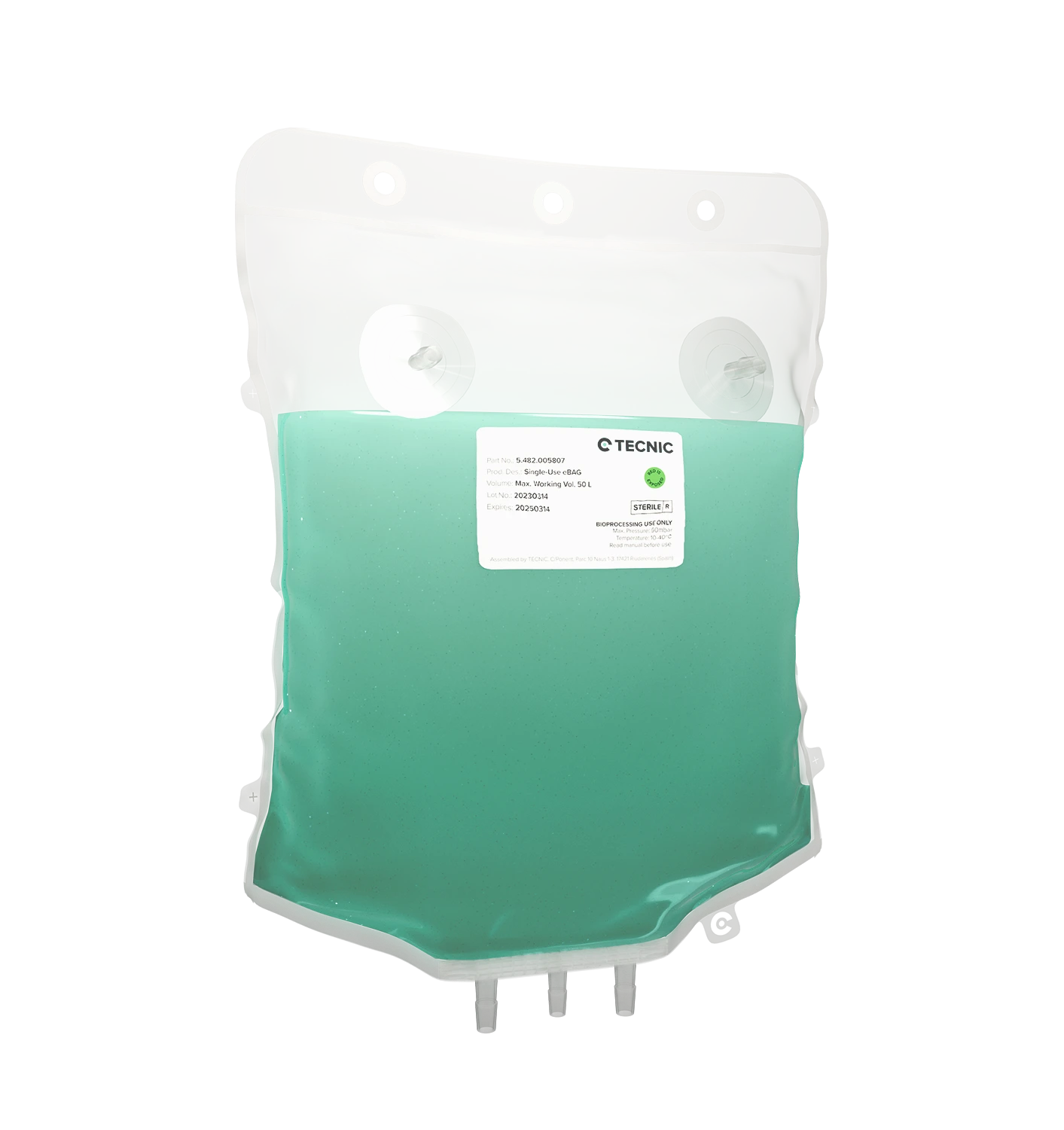
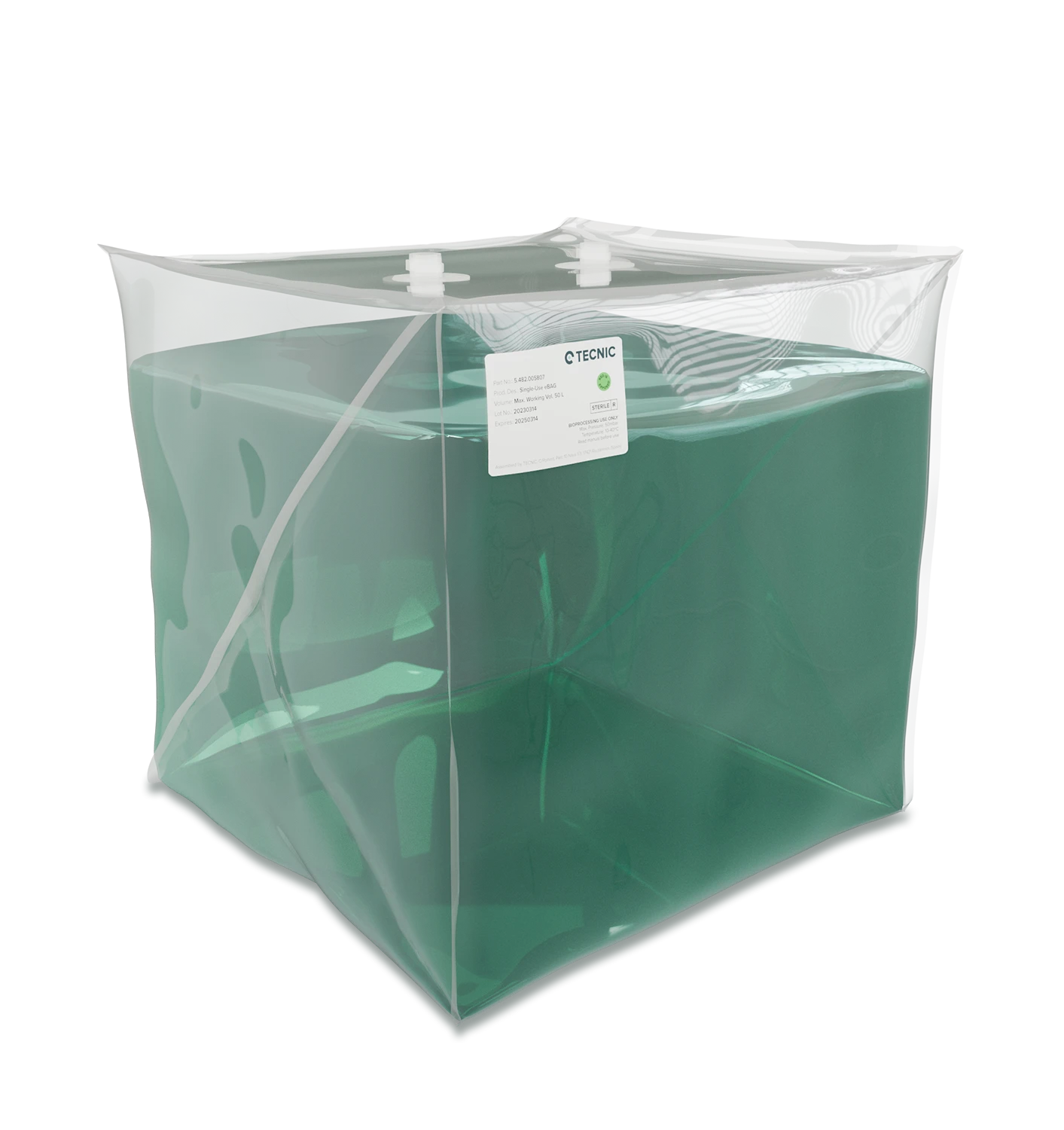
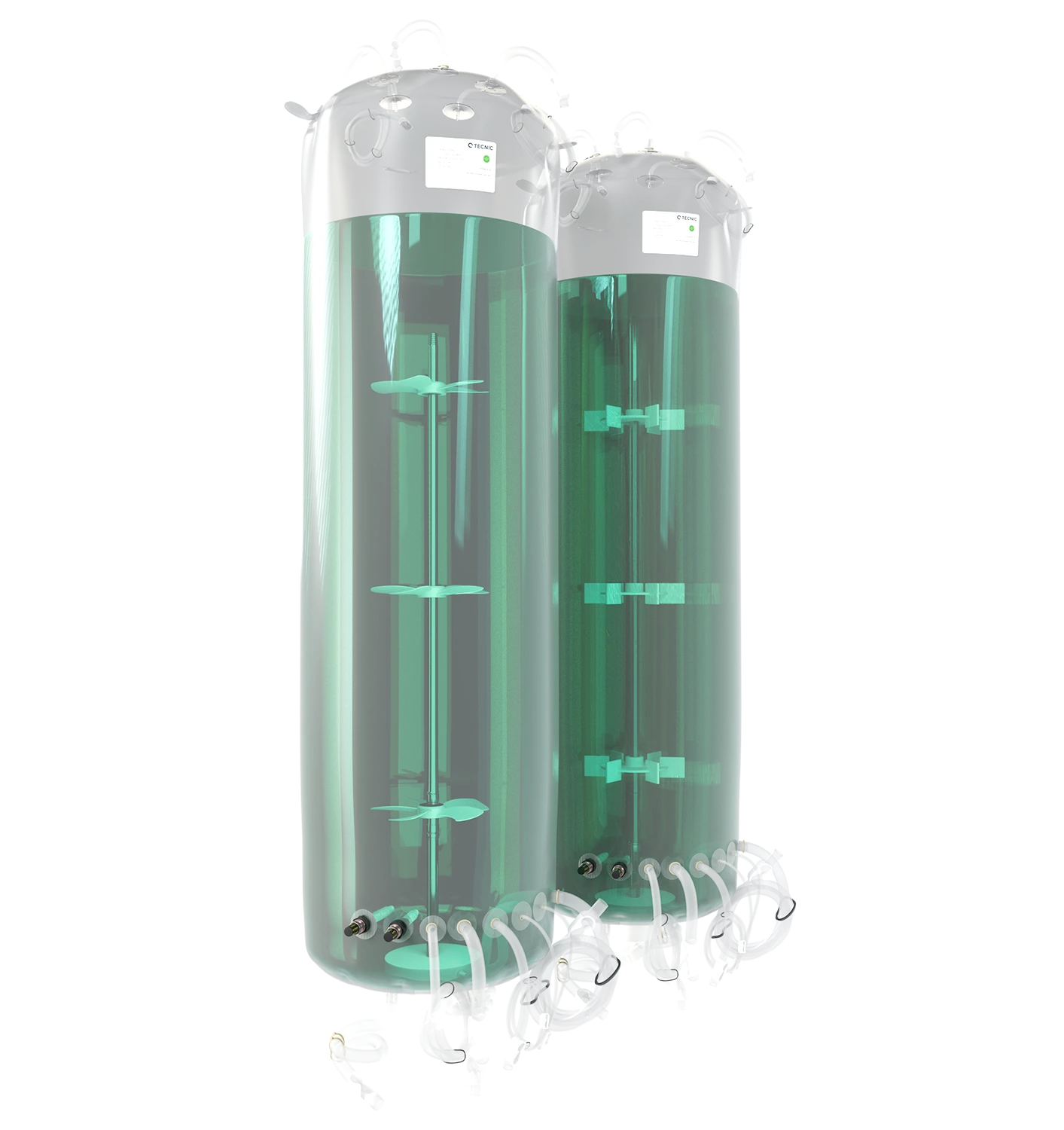
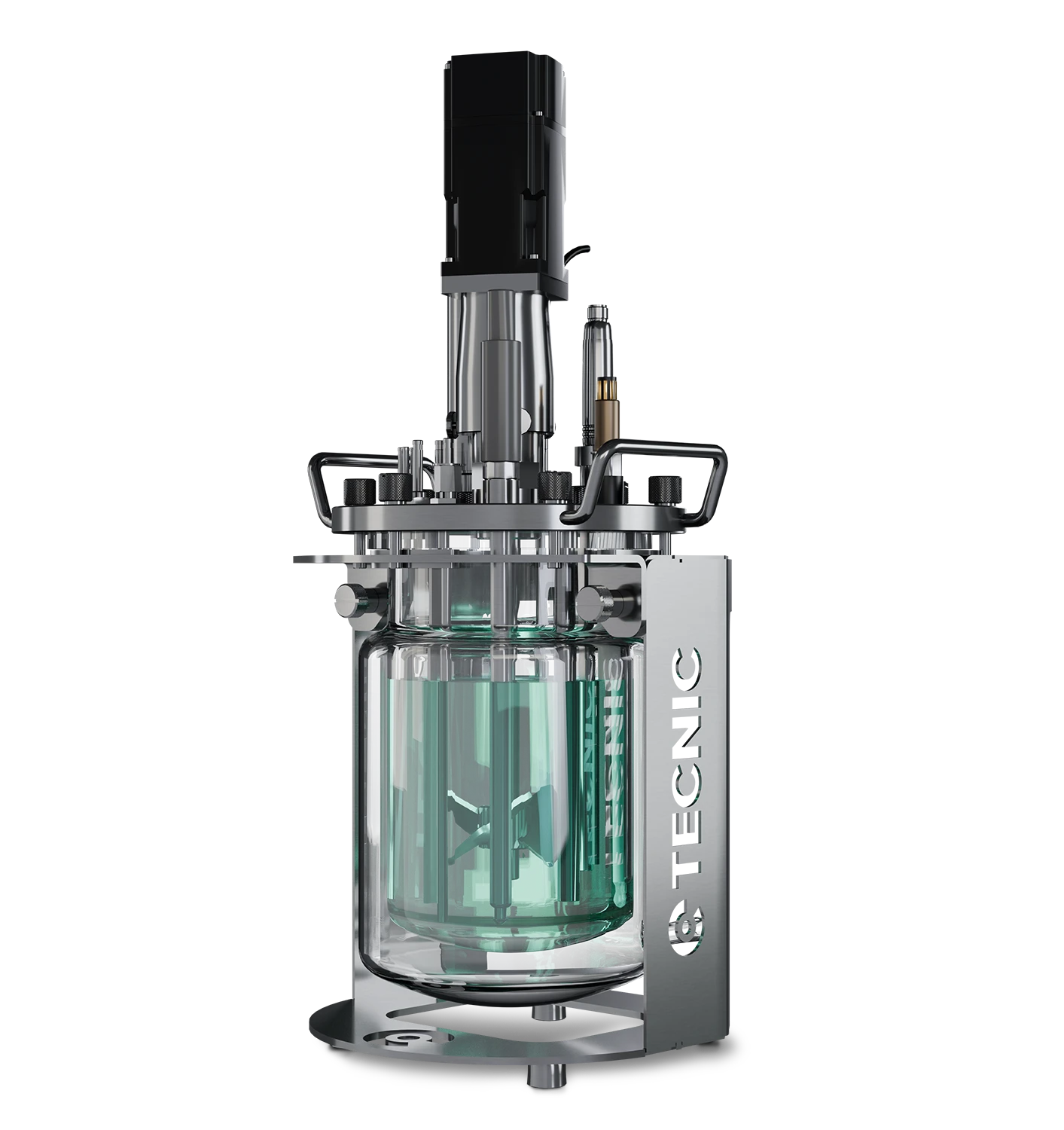
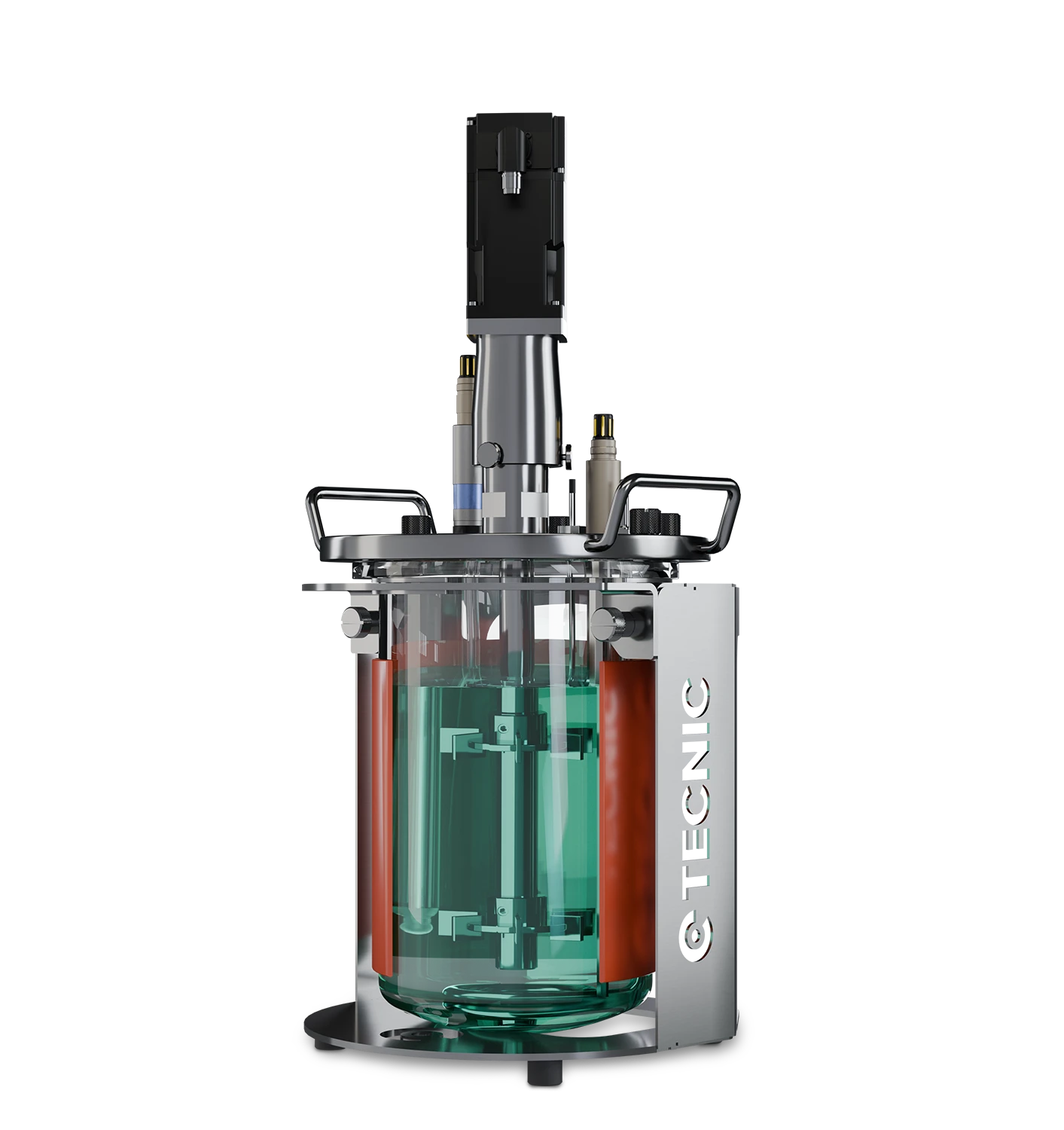

A perfusion bioreactor is designed to support a continuous or semi-continuous culture environment where fresh medium is added while waste and spent liquid are removed, helping keep cells in a more stable and productive state for longer.
That makes perfusion especially relevant when the process benefits from higher cell density, longer culture duration and more consistent nutrient availability than a simpler batch strategy can usually provide.
A perfusion bioreactor improves bioprocess efficiency by maintaining a more balanced cell environment over time, instead of letting nutrients fall and waste rise in a more static way.
What is a perfusion bioreactor?
A perfusion bioreactor is a bioreactor operated in a way that continuously or repeatedly renews the culture medium while keeping the cells in the system. Instead of running a culture until nutrients are depleted and waste accumulates too far, the process keeps refreshing the environment.
This approach becomes especially useful when productivity depends on maintaining viable cells at higher density and under more stable conditions for longer periods.
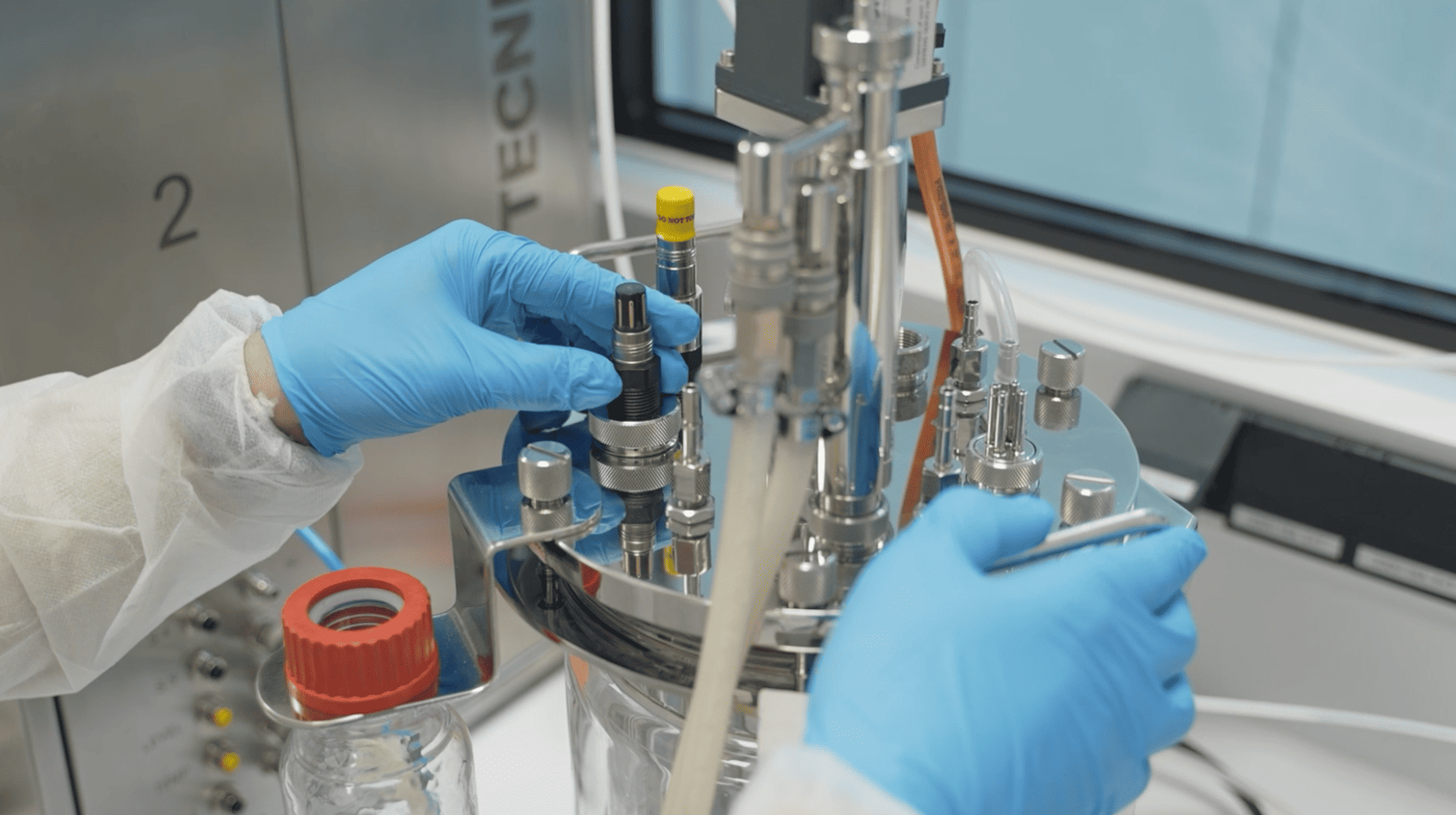
The strength of perfusion is not only continuous flow, it is continuous control of the cell environment.
How perfusion works in practice
In a perfusion setup, fresh medium enters the process while a corresponding liquid stream leaves it. At the same time, a cell-retention strategy keeps the cells inside the bioreactor instead of letting them wash out with the spent medium.
New nutrients are introduced into the culture to support ongoing growth and metabolism.
A retention device or filtration strategy helps keep viable cells in the reactor.
Waste-containing liquid leaves the system so inhibitory compounds do not accumulate too quickly.
The process aims to keep cells in a productive environment over a much longer operational window.
This is why perfusion is often linked to higher productivity. The cells are not only present, they are kept in an environment that is actively supported.
Why a perfusion bioreactor boosts bioprocess efficiency
Perfusion improves efficiency because it reduces one of the biggest limitations in culture systems, the gradual deterioration of the medium. If nutrients fall too low or metabolic byproducts rise too far, cell performance suffers even if the reactor itself is otherwise well controlled.
Perfusion can help maintain more viable cells in the reactor for longer.
The culture can stay in a more favourable operating window instead of drifting too quickly.
The reactor environment is used more effectively when medium conditions are actively renewed.
Perfusion vs batch operation
The most useful comparison is not whether one mode is universally better, but which mode matches the biology and production goal more closely.
Batch or simpler fed-batch logic
Easier to run in some contexts, but the culture environment gradually drifts as nutrients are consumed and waste accumulates.
Perfusion logic
More complex to control, but better suited when productivity depends on keeping the cells in a more stable and renewed environment.
Perfusion is usually most valuable when the process gains more from environmental stability than from procedural simplicity.
Main process needs in perfusion bioreactors
A perfusion process does not depend only on having flow in and flow out. It depends on the whole system staying balanced enough to protect the cells and support the process objective.
How TECNIC fits this perfusion workflow
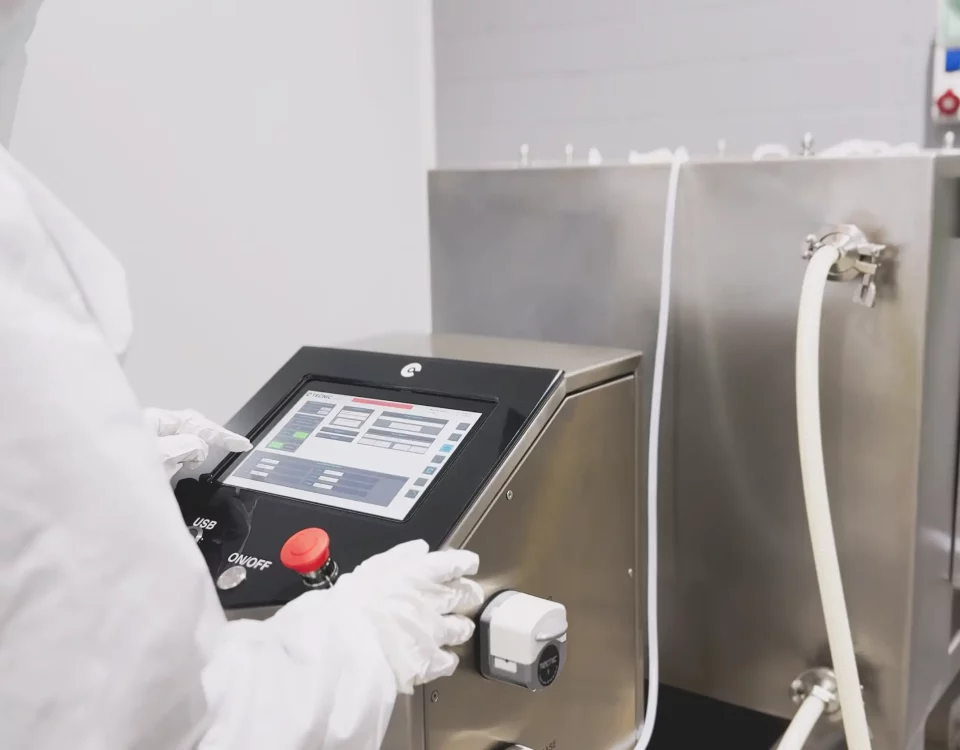
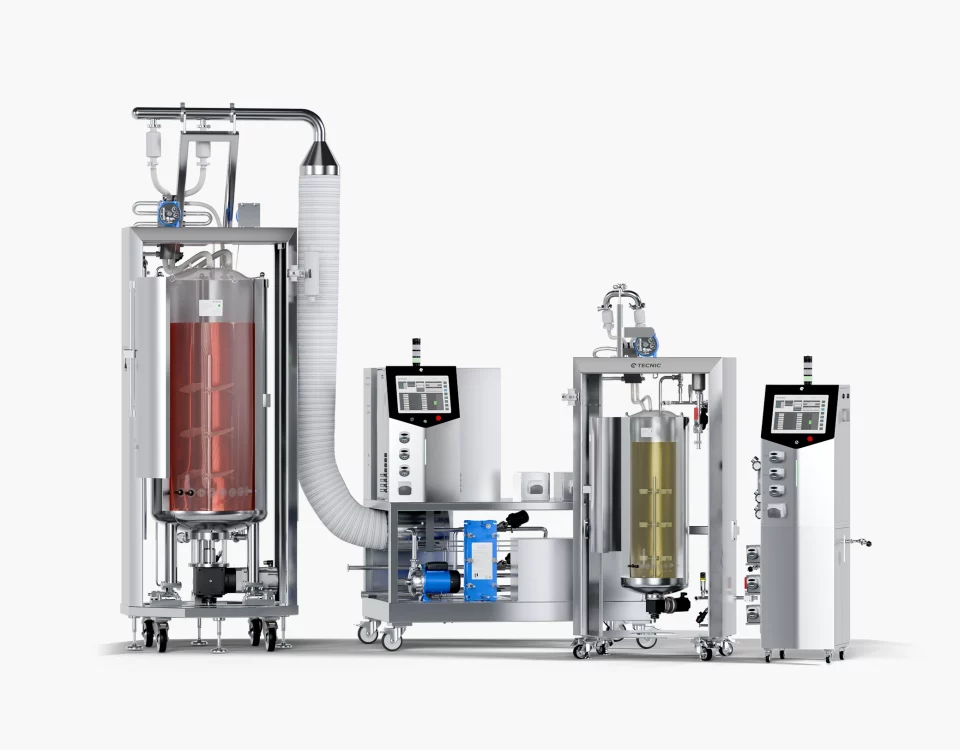
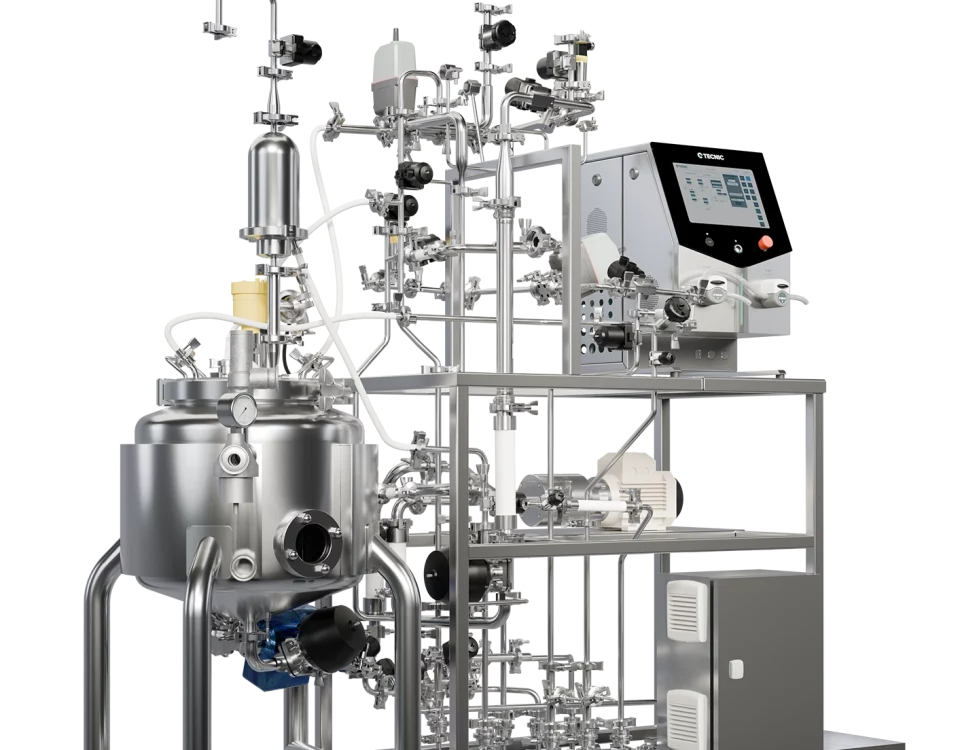
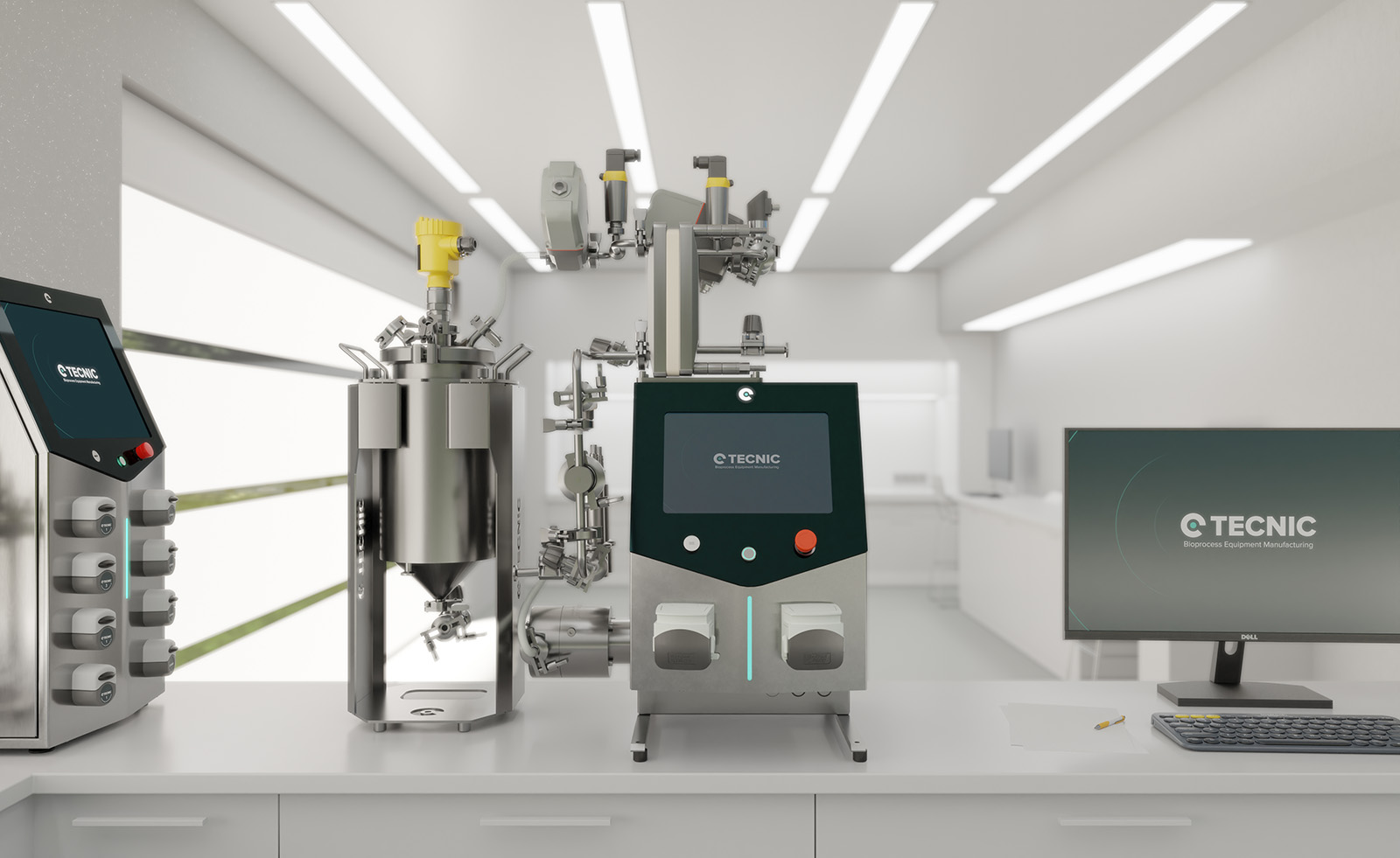
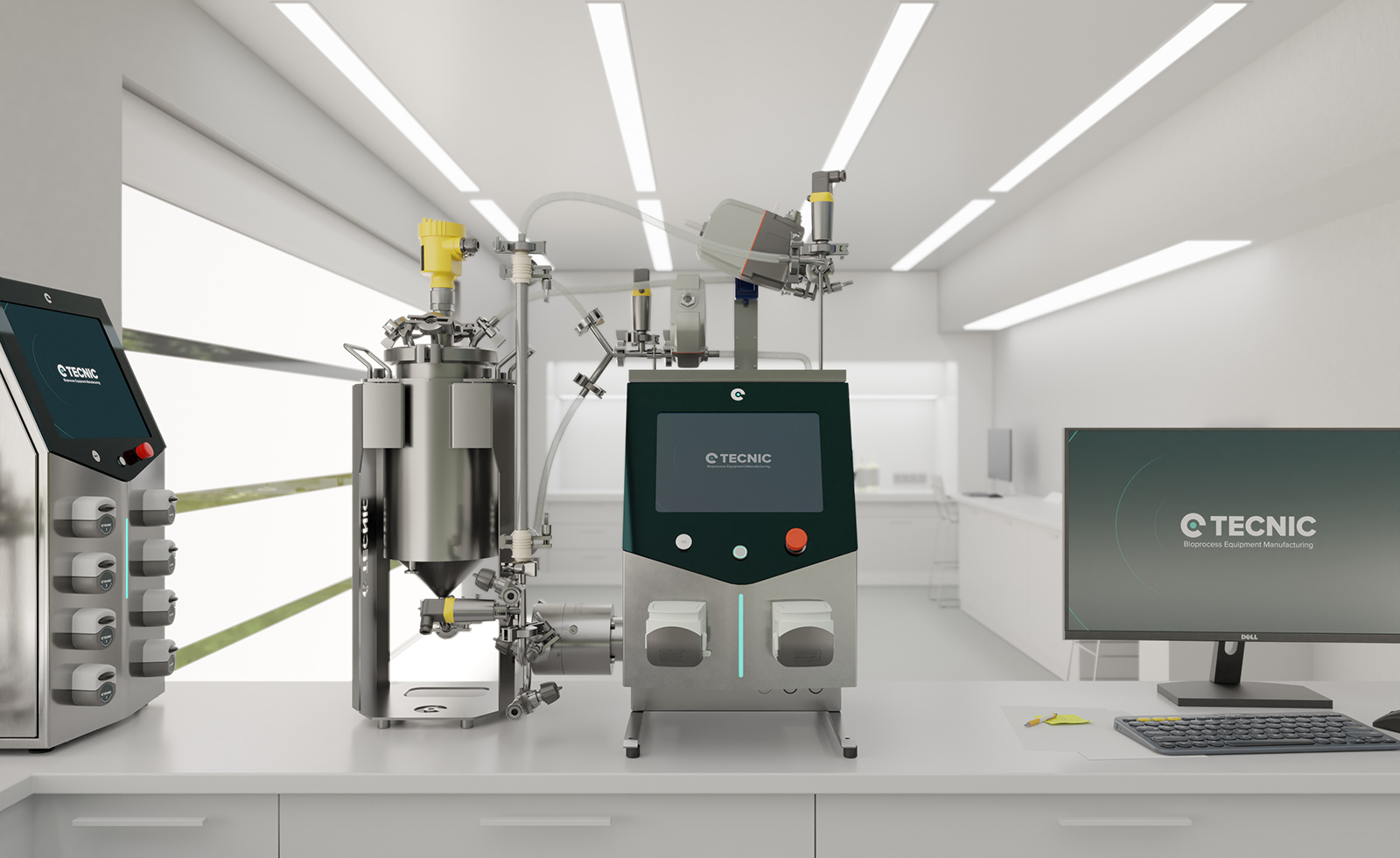
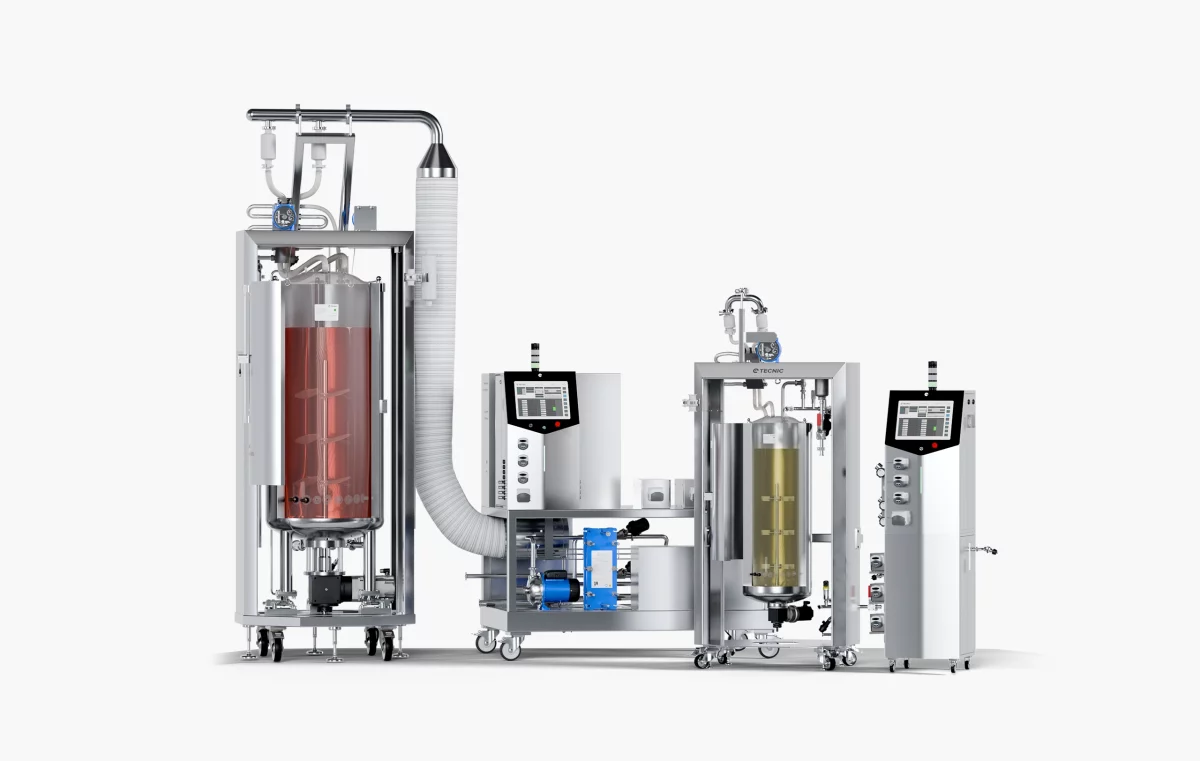
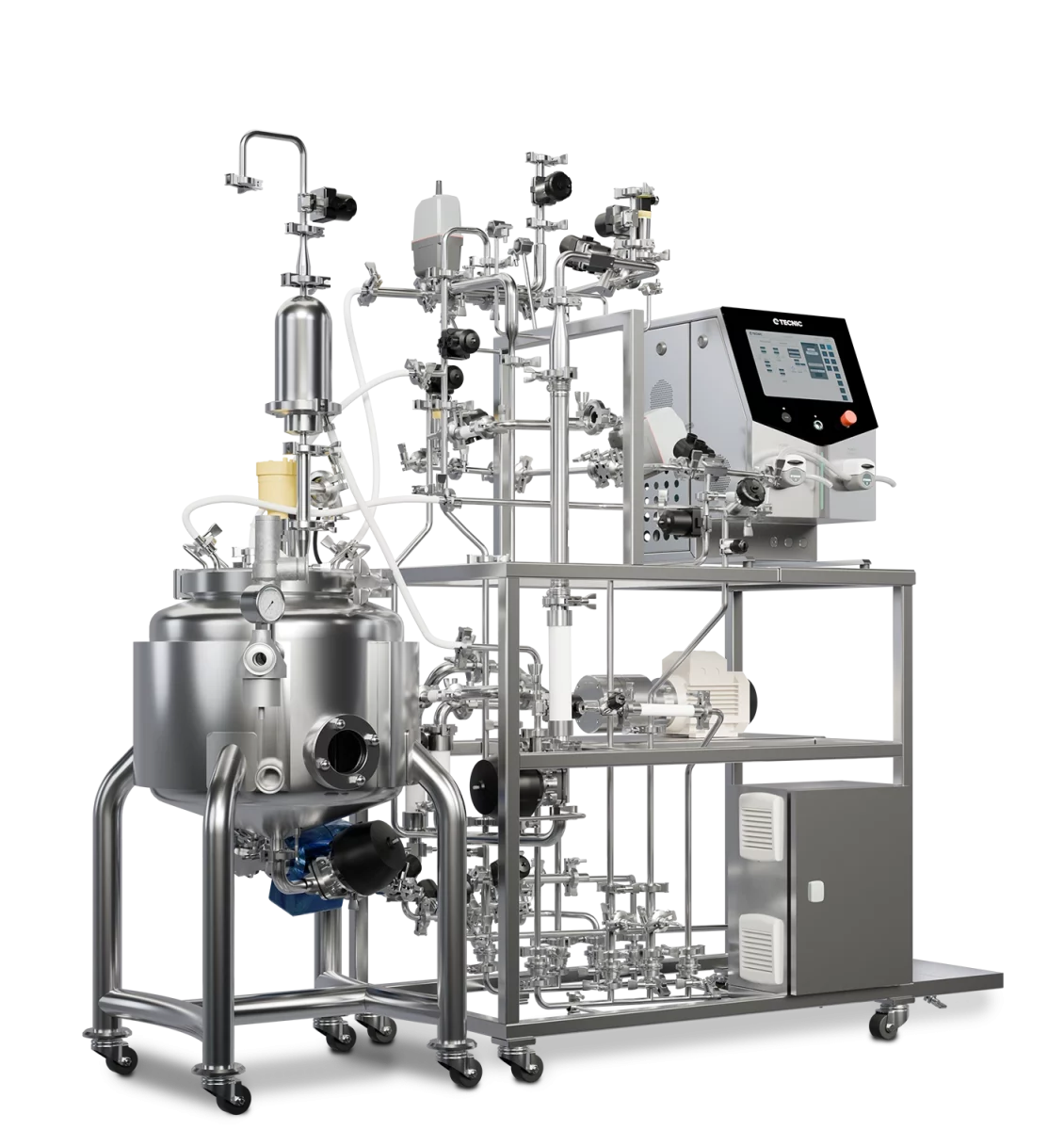
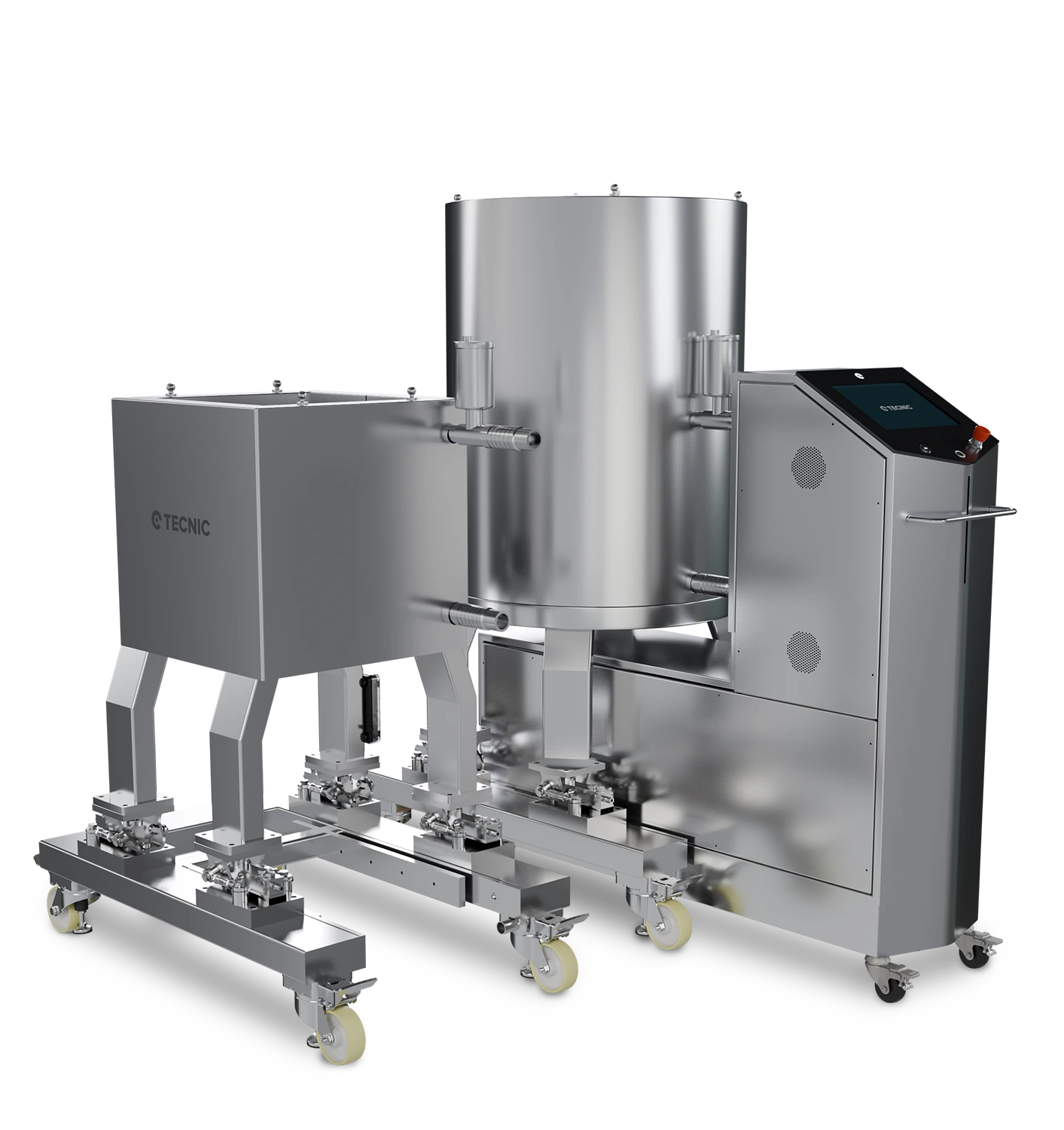
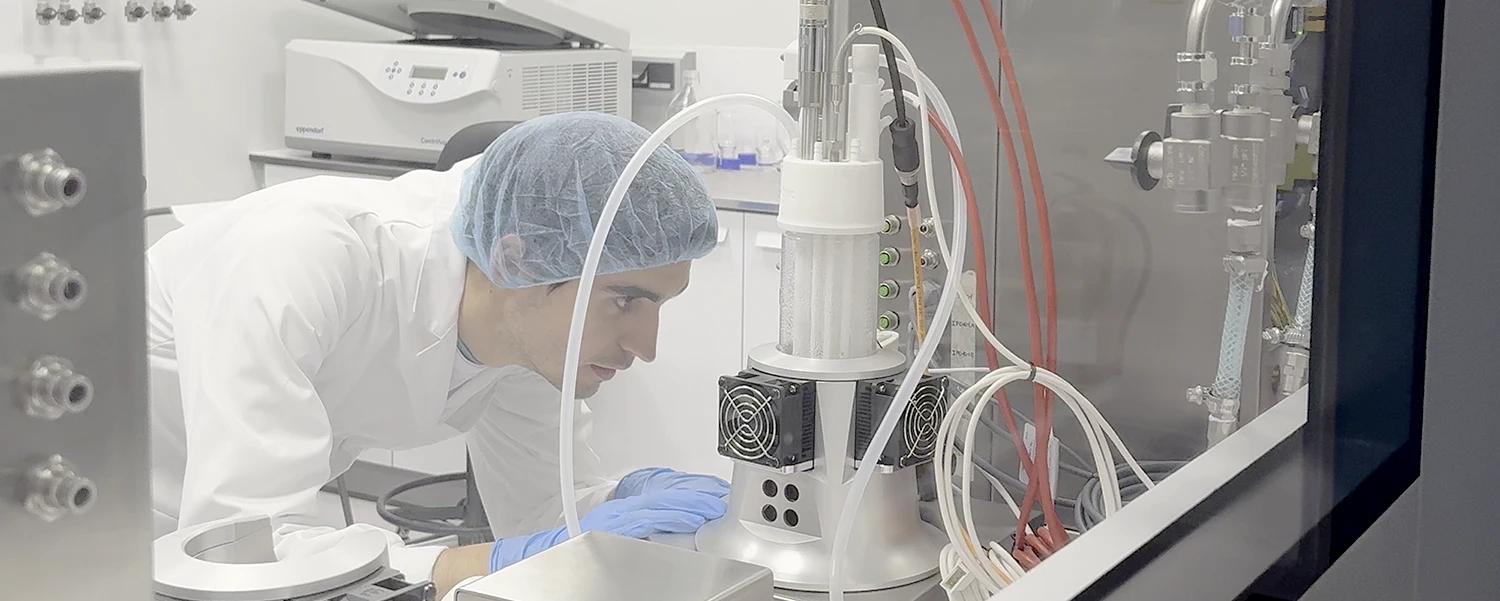
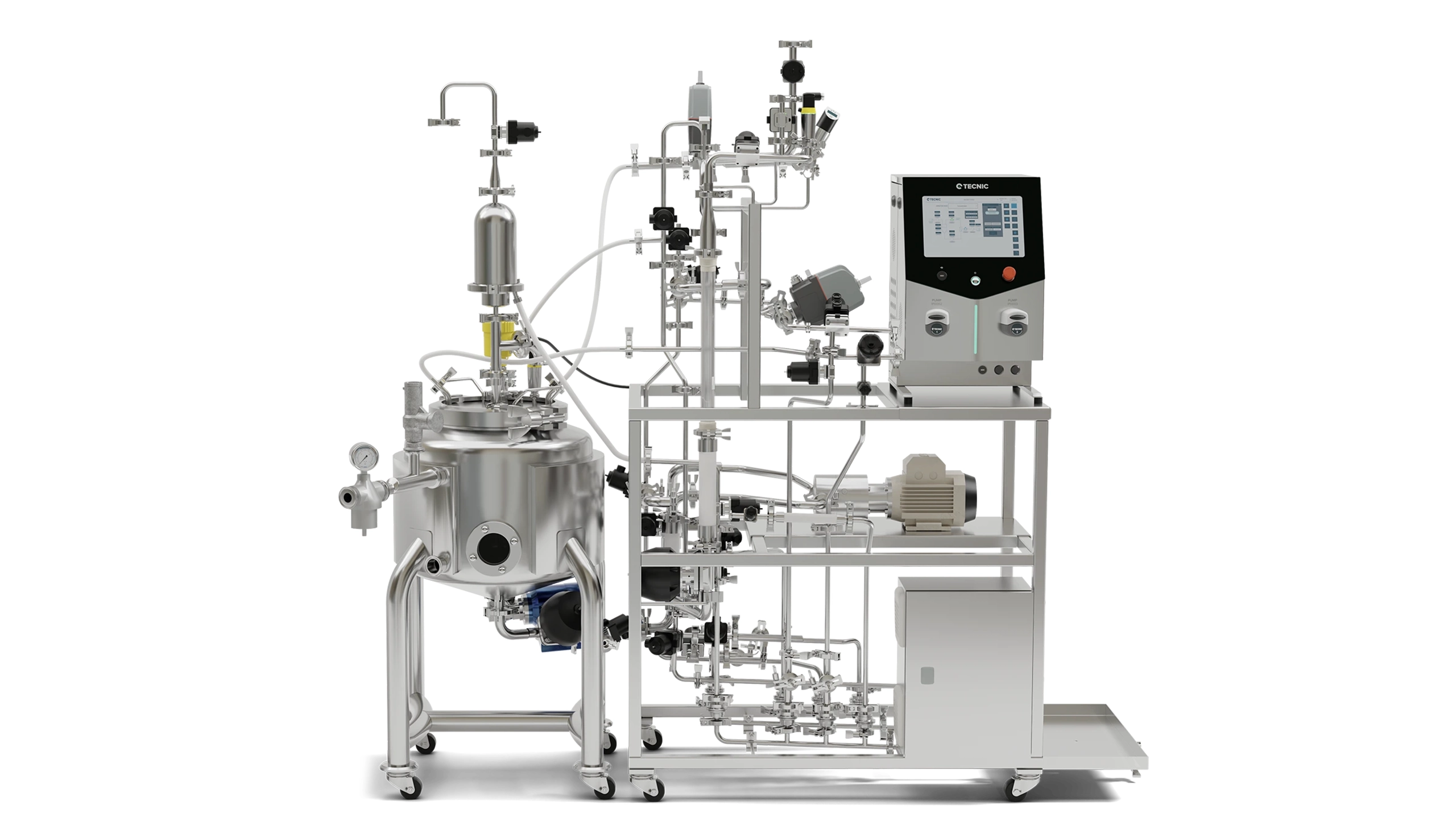
TECNIC fits naturally into this topic through the connection between bioreactors and TFF-based or filtration-assisted process logic. In practical terms, perfusion becomes much more useful when the cultivation side and the retention side are treated as one connected system.
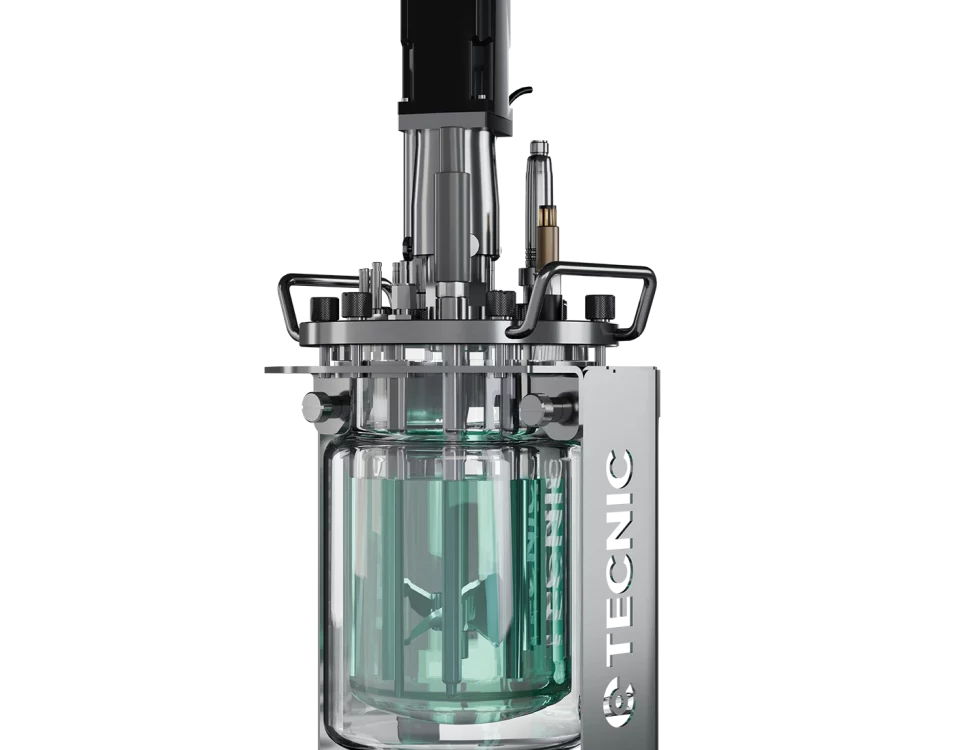
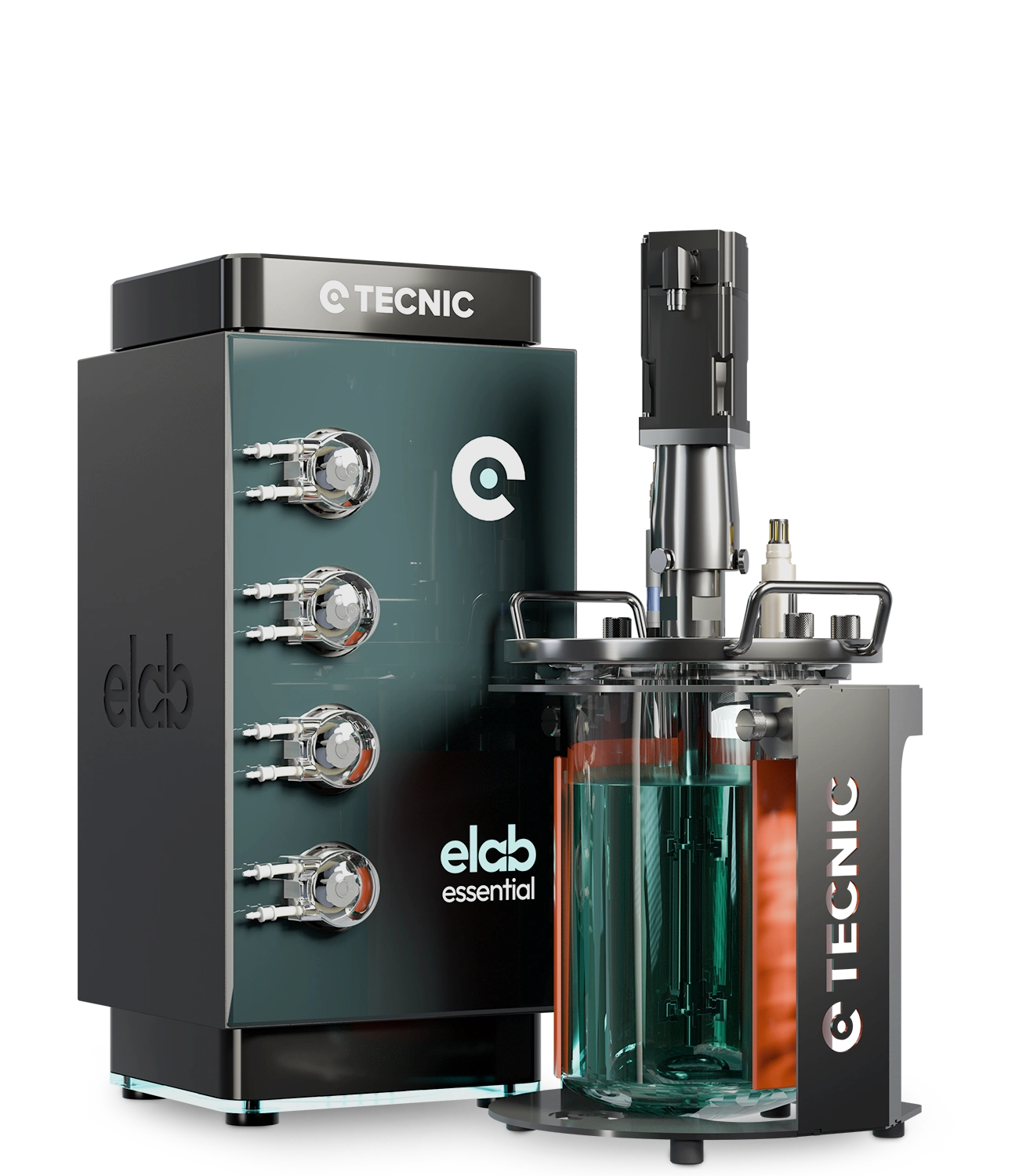
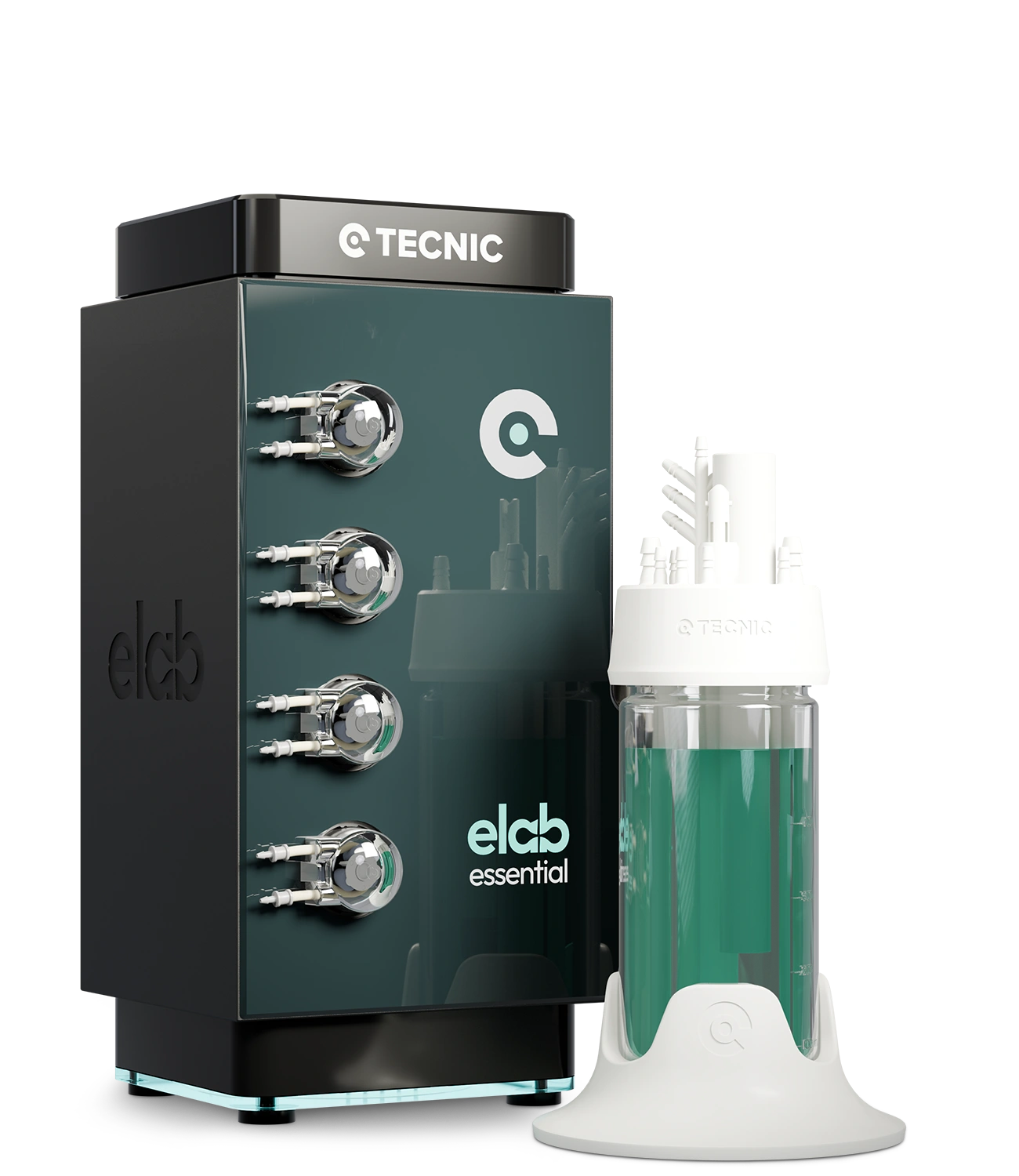
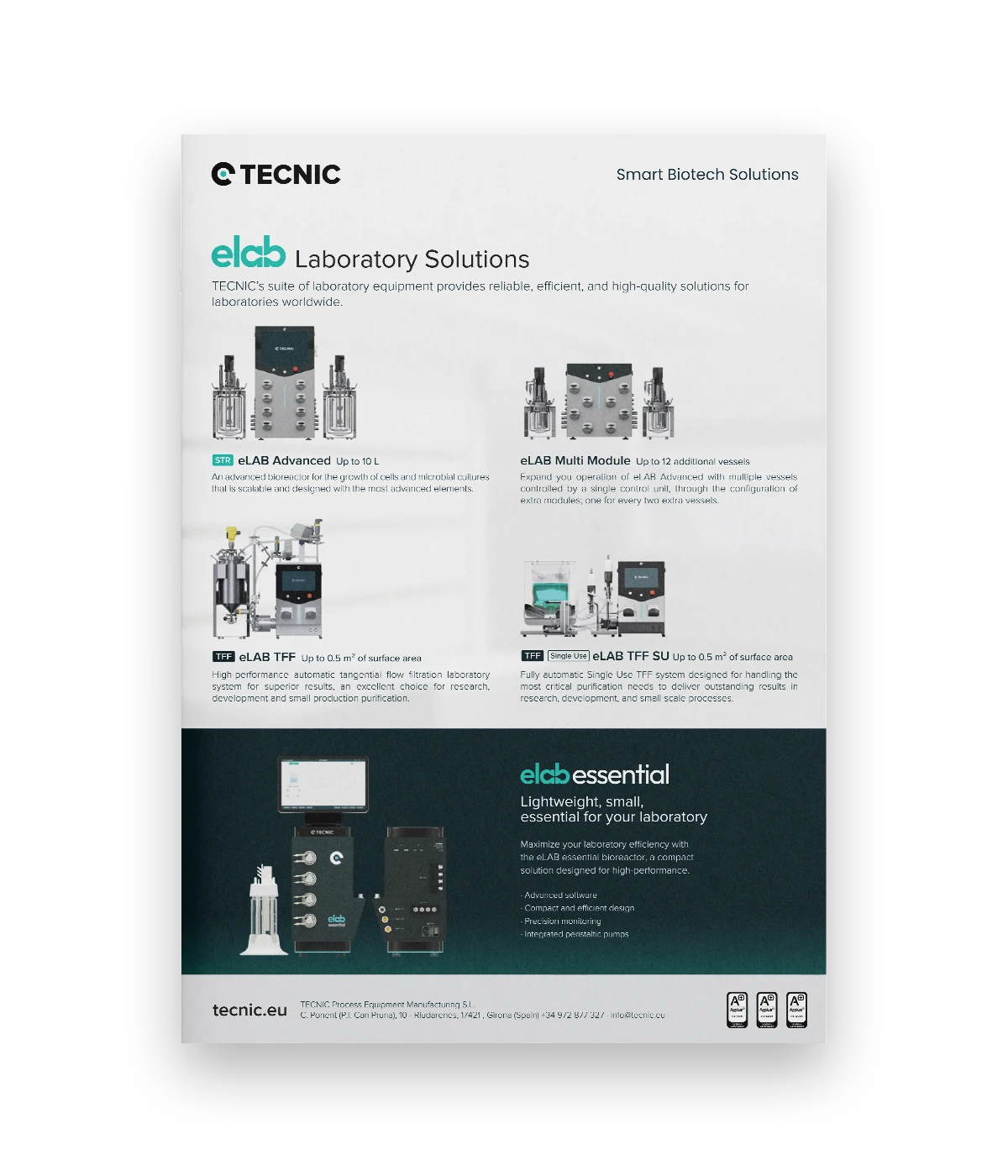
eLab bioreactor path
Relevant when the process starts at laboratory scale and needs controlled cultivation conditions before moving further.
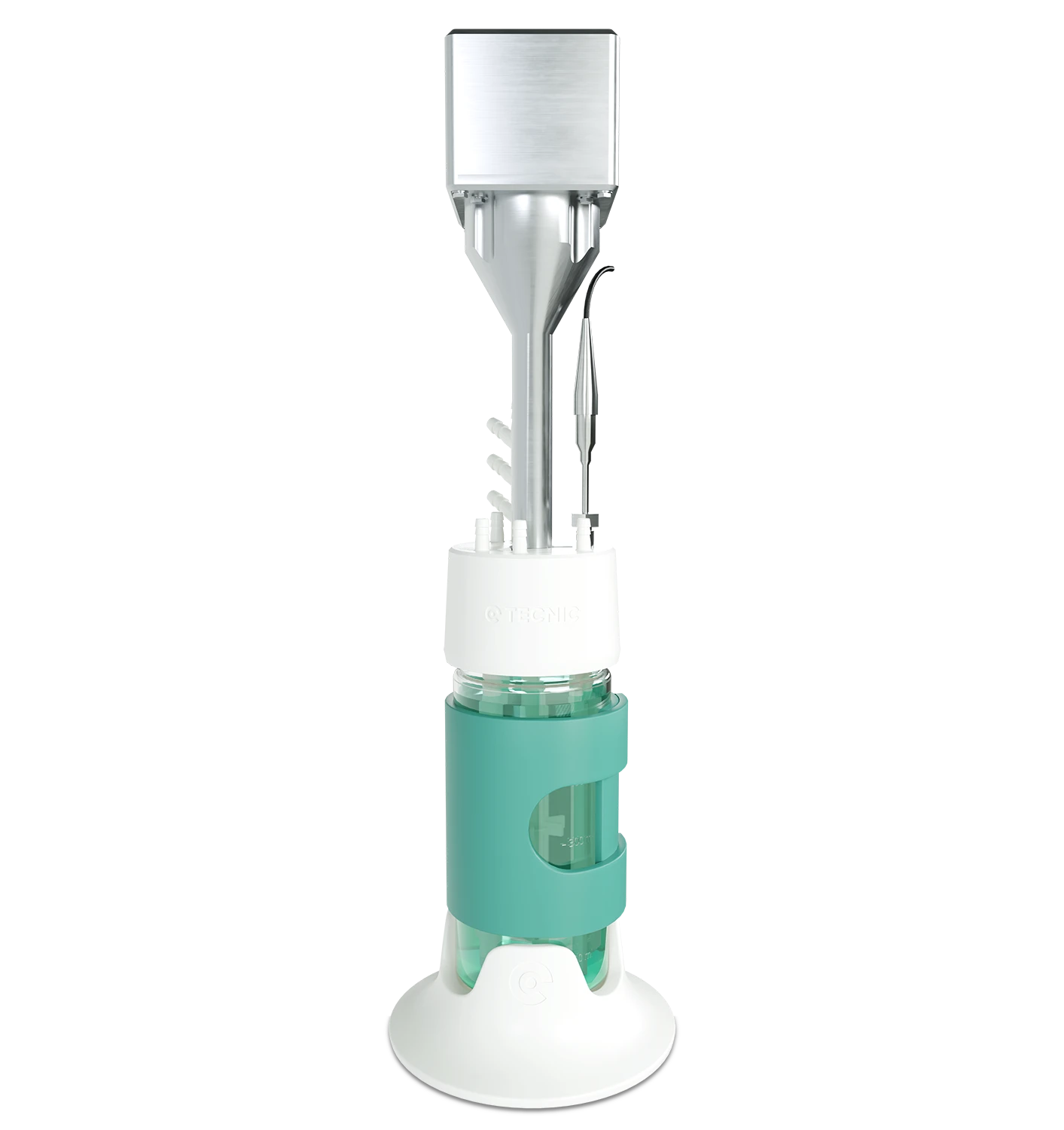
eLab TFF SU
Useful where perfusion logic benefits from a single-use filtration route and a more flexible lab configuration.
TFF systems overview
A helpful next step for readers who want to connect perfusion logic with the broader filtration range.
Contact TECNIC
Perfusion decisions depend heavily on process specifics, so a direct technical discussion often makes more sense than a generic comparison.
This article works best when the reader sees perfusion as a controlled process strategy, not only as a more advanced reactor label.
Frequently asked questions
What is a perfusion bioreactor?
It is a bioreactor operated so that fresh medium is added while spent liquid is removed and cells are retained in the system.
Why is perfusion more efficient than some batch processes?
Because it helps keep nutrients available and waste lower, allowing cells to stay productive for longer.
Does perfusion always mean continuous production?
Not necessarily, but it does mean the culture environment is being renewed more actively than in a simple static batch process.
Why is cell retention important in perfusion?
Because the process depends on keeping the cells inside the reactor while exchanging liquid around them.
What makes a perfusion process hard to run well?
The need to balance medium renewal, retention, monitoring and low-stress handling at the same time.
Reviewing whether perfusion could improve your bioprocess efficiency?
Explore TECNIC’s bioreactor and TFF solutions or speak with our team to review the right setup for your process.